Air Testing vs Surface Testing: Which Mold Test Is Better?
Air Testing vs Surface Testing: Which Mold Test Is Better?
Neither is universally better—they answer different questions. Air testing shows what spores are in the air you breathe; surface testing shows what is growing on a specific area. For a full picture, professionals often use both. Understanding the difference helps you know what to expect and when each test is appropriate.
What Air Testing and Surface Testing Do
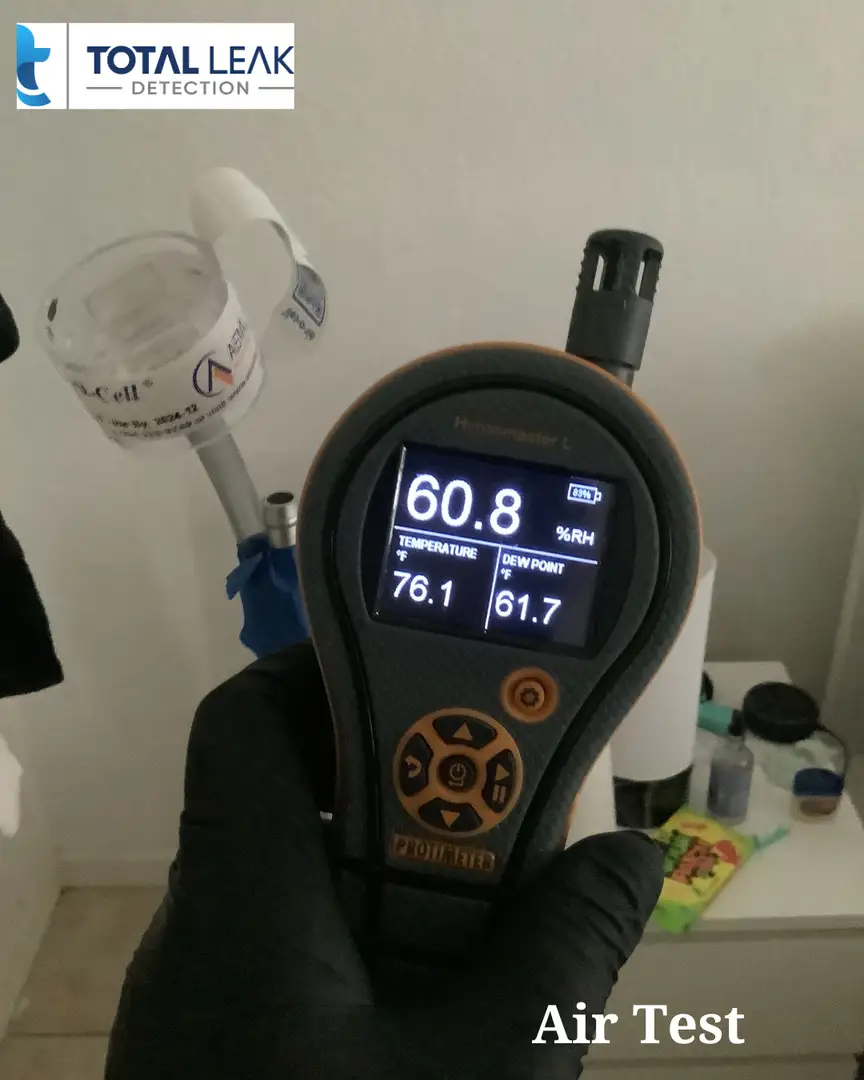
Air testing collects samples of the air in a room or area and sends them to a lab to measure mold spore counts and types. It answers the question: what are you breathing? It is useful for assessing overall indoor air quality and for comparing indoor levels to outdoor levels (a baseline). Surface testing collects samples from a specific surface—for example, a wall, floor, or piece of furniture—using swabs, tape lifts, or bulk samples. It answers the question: what is growing on this spot? It is useful for confirming mold on a visible stain or for sampling a suspected area behind or inside a wall.

For a full picture—especially after water damage or when you suspect hidden mold—professionals often use both. Air testing can show whether spores are elevated in the air; surface testing can confirm what is growing where. Professional mold testing can recommend the right tests for water damage mold or hidden mold. Schedule an inspection to get a clear assessment.
When to Use One vs. Both
If you have a visible stain and want to confirm it is mold and what type, surface testing may be enough. If you have no visible mold but smell musty odors or had water damage, air testing can show whether spore levels are elevated. For a complete picture—for example, before or after remediation, or when buying or selling—many professionals recommend both: air samples for overall air quality and surface or bulk samples to identify what is growing and where. Your mold testing professional can design a sampling plan based on your situation.
What the Lab Results Tell You
Air and surface samples are sent to a lab that identifies mold types and reports spore counts or colony growth. The report will list the species found—for example, Aspergillus, Penicillium, or Stachybotrys—and often compare indoor air to outdoor baseline levels. Elevated indoor counts or certain species can indicate a water damage mold or hidden mold problem. Professional mold testing can explain the results and recommend next steps: remediation, moisture control, or clearance testing after cleanup.
Who Interprets the Results and What Happens Next
Lab reports list species and counts, but interpreting them in the context of your home—and deciding what to do—requires experience. A qualified mold assessor will explain whether elevated levels are confined to one room (suggesting a local source) or widespread (suggesting a systemic moisture or ventilation issue), and whether the species found are typical outdoor types or indicate an indoor growth problem. They can recommend remediation scope, moisture fixes, and whether post-remediation verification or clearance testing is needed. For a full overview of how mold testing works and when to use each method, see our complete guide to mold testing.
Cost and Turnaround Time
Air testing and surface testing are similarly priced, though costs vary by provider and the number of samples taken. A typical inspection with multiple air samples and one or two surface samples may range from a few hundred dollars to several hundred, depending on scope and location. Lab turnaround is usually two to five business days for standard analysis; rush processing is available at additional cost if you need results quickly—for example, during a real estate transaction or insurance claim. When you schedule professional mold testing, ask about the number of samples included, lab fees, and expected turnaround so you know what to expect and can plan accordingly.
Common Mistakes to Avoid
Choosing the wrong test—or relying on a single sample—can lead to misleading results. A single air sample in the center of a large home may miss elevated spores near a moisture source in another room. Surface testing only a visible stain may confirm mold there but miss hidden growth elsewhere. DIY test kits sold at hardware stores often lack the precision and context of professional sampling and may not be accepted by insurers or remediators. To avoid these pitfalls, work with a professional mold testing company that designs a sampling plan based on your home's layout, moisture history, and symptoms. A well-designed plan with multiple samples and proper placement gives you accurate, actionable results.
Summary
Neither air nor surface testing is universally better; they answer different questions. For a full assessment after water damage or when hidden mold is suspected, professionals often use both. Schedule professional mold testing to get the right tests and a clear assessment. For more on testing methods and indoor air quality, read our guide to mold testing.