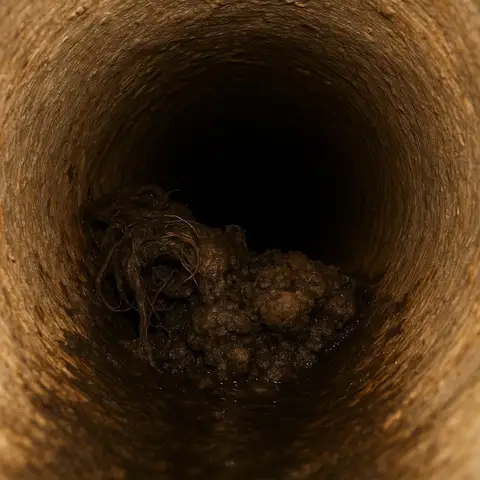
Sewer Camera Inspection: What the Camera Shows and When You Need One

A sewer camera inspection puts a waterproof camera on a flexible cable into your drain or sewer line so you can see roots, sags, offsets, and broken pipe on a live monitor—and usually on a video report you can keep. This page is the how-to guide: what the camera shows, how to read common findings, when the job makes sense, and what a typical visit looks like in South Florida.
If you already know you need the service booked, use the hire hub for scheduling and coverage (linked at the end). This guide stays on explanation and documentation so it does not compete with that service page.
What to do immediately if you suspect a sewer backup
A blocked or collapsed sewer line can push wastewater back into fixtures. If you see multiple slow drains, gurgling toilets, or sewage in tubs or floors, protect people and the house first:
- Stop water use — sinks, showers, toilets, washer, dishwasher. More water makes a backup worse.
- Shut the main valve if you can do so safely, so automatic uses (ice maker, irrigation) do not add flow.
- Keep kids and pets away from sewage. Do not clean raw sewage without proper protection.
- Skip chemical drain cleaners on a main-line backup. They rarely clear the real blockage and can leave a hazardous pool for whoever opens the line.
- Call for a camera inspection when you need the cause and location without exploratory digging. A licensed pro can confirm whether you are dealing with a clog, roots, a belly, an offset, or a collapse.
What is a sewer camera inspection?
A sewer camera inspection (also called a video pipe inspection or sewer scope) uses a specialized waterproof camera on a flexible cable to examine the inside of drain and sewer pipes. The feed shows on a monitor in real time. Most professional jobs also record the run so you have documentation for repairs, insurance questions, or a home purchase file.
How the technology works
Typical professional kits include:
- HD video so small cracks, joints, and deposits are visible
- LED lighting inside dark pipe
- Flexible push cable that navigates bends in residential laterals
- Locating sonde / transmitter so a problem can be marked above ground
- Recording for your records
Camera types you may hear about
- Push cameras — technician-guided; most homes
- Crawler cameras — self-propelled; larger commercial lines
- Lateral launch — branch lines off a main
You do not need to choose the camera model yourself. What matters is a clear recording, distance markers, and plain-language notes on what each finding means.
When you need a sewer camera inspection
Warning signs
Schedule or request an inspection when you notice:
- Drain clogs that return after clearing
- Several slow drains in the house
- Gurgling at toilets or drains
- Sewage odors indoors or outdoors
- Wet spots in the yard along the sewer path
- A toilet that bubbles when another fixture runs (common causes)
- Backups in lower-level drains
Proactive timing
A camera job is also common when you are:
- Buying or selling a home (especially 20+ years old)
- Planning a major renovation that adds fixtures or load
- Dealing with older materials (cast iron, clay, Orangeburg)
- Establishing a baseline after purchase
- Doing periodic checks on an aging line
For older Miami homes and cast-iron warning signs, see cast iron sewer warning signs and sewer camera before renovating an older Miami home.
Florida-specific pressure
South Florida lines take extra stress from year-round root growth, sandy soils that can settle into bellies, high water tables, and aging laterals in mid-century neighborhoods. Those conditions do not invent a problem—but they raise the value of seeing the line before a holiday backup or a closing deadline.
What problems sewer cameras find

Cameras commonly reveal:
- Root intrusion through joints or cracks
- Cracks, fractures, corrosion, and thinning walls (cast iron especially)
- Bellied / sagged sections that hold water and debris
- Collapsed or crushed pipe
- Grease, scale, sediment, and foreign objects
- Offset or separated joints and failed seals
- Pipe material (cast iron, clay, Orangeburg, PVC, ABS) so you know what you are dealing with
Sample report glossary: roots, belly, offset, collapse
Homeowners often get a video plus short notes. Reports are not always written in everyday language. Here is how four findings usually show up—and what they mean for next steps. This is educational, not a substitute for reviewing your footage with the technician.
| Finding on the report / video | What you are usually seeing | Why it matters | Typical next conversation |
|---|---|---|---|
| Root intrusion | Fine roots, root mass, or a root ball entering at a joint or crack | Roots follow moisture; they can restrict flow and widen entry points | Cleaning vs sealing vs repair depends on how much capacity is lost and whether the pipe wall is damaged |
| Belly (sag) | A low section where water stands even when the line should drain | Standing water lets solids settle; reports may note water level / standing water at a footage mark | Confirm there is no downstream blockage first; then discuss whether the sag is mild enough to monitor or needs structural work |
| Offset joint | Pipe ends that no longer line up (a “step” at the joint) | Debris catches on the lip; offsets can worsen with soil movement | Small offsets may be monitored; larger ones often need repair or lining discussion |
| Collapse | Pipe shape is lost; the opening is crushed or blocked | Flow fails or nearly fails; risk of backup and property damage rises fast | Treat as urgent; location marking matters so repair can be targeted |
Other phrases you may see: infiltration (groundwater entering), deposits / encrustation, fracture vs crack, and percentage of blockage or clock-position notes. Ask the technician to show you the footage at each distance marker before you approve excavation.
The inspection process

- Access — cleanout, roof vent, or (if needed) temporary toilet removal
- Camera insertion — cable fed through the lateral toward the main or septic connection
- Live viewing — you can usually watch the monitor
- Documentation — findings noted with distance and description
- Locating — transmitter used to mark repair spots above ground when needed
- Report / video — you leave with documentation, not just a verbal guess
Helpful prep: know where cleanouts are, clear access, and bring any older inspection files if you have them.
How long does a sewer camera inspection take?
Times vary with access and line length:
- Typical single-family home with a usable cleanout: about 30–60 minutes for the camera run through the main lateral
- No cleanout, long runs, or heavy roots: often 1–2 hours
- Commercial / multi-family / many branches: often longer (commonly a few hours)
You should get a same-visit explanation of what the video shows, plus the recording when that is part of the service.
Watch a sewer camera inspection in action
See the kind of HD feed technicians use on Florida lines:
Demo footage illustrates navigation and common conditions—your report should reference your distances and findings.
Sewer inspection costs (what changes the price)
Exact pricing depends on access, footage, number of lines, and whether you need locating plus a full written/video deliverable. Published ranges on the web—including older posts—often disagree, so treat any dollar band as a starting point only.
What usually moves the quote:
- Line length and how many branches you need inspected
- Cleanout access vs toilet/roof access
- How detailed the report must be (purchase file, insurance, contractor handoff)
- After-hours or emergency timing
For a deeper cost walkthrough, see how much a sewer line camera inspection costs. For a current quote on your property, call (855) 385-5325.
Sewer inspections for home buyers
Standard home inspections usually stop at fixtures and visible plumbing. They do not replace a lateral camera run. A pre-purchase sewer camera inspection can show:
- Whether the line is generally clear or actively failing
- Material type (including problem eras like Orangeburg)
- Root pressure from nearby trees
- Evidence of prior patches
Findings can support price talks, seller repairs, or a walk-away decision. Build the camera job into contingencies whenever the house is older, heavily landscaped, or has a backup history.
Maintaining your sewer line

Everyday habits
- Keep grease out of sinks
- Flush only toilet paper
- Use strainers
- Avoid relying on harsh chemical cleaners for chronic main-line issues
Trees and soil
- Learn the approximate sewer path
- Be cautious planting thirsty trees over laterals
- Reinspect if the same spot clogs every wet season
Cadence
Older cast-iron or clay systems often benefit from occasional professional cleaning and a camera check every few years—or sooner when symptoms return. There is no single Florida “code interval” that fits every house; use symptoms and prior findings.
Book the inspection (hire hub)
This guide explains the job. When you are ready for HD video, locating, and a report on a South Florida property:
- Family-owned in Florida since 2019
- Licensed and insured (CFC1430460)
- Video documentation for your records
Schedule a sewer camera inspection · Contact · (855) 385-5325
Total Leak Detection — detection and documentation first, so repairs target the real problem.