Black Mold vs. Other Mold Types: What Homeowners Need to Know
Black Mold vs. Other Mold Types: What Homeowners Need to Know
Finding mold in your home is alarming—especially when it's dark-colored and you immediately wonder: "Is this the dangerous black mold I've heard about?"
The truth is, mold identification is more complex than color alone. Many different mold species appear black or dark-colored, and not all of them are the infamous "toxic black mold." At the same time, lighter-colored molds can also pose health risks.
Here's what every Florida homeowner should understand about mold types, health concerns, and why professional assessment is the only way to truly know what you're dealing with.
The "Black Mold" Misconception
When people say "black mold," they're usually referring to Stachybotrys chartarum—a species that produces mycotoxins and has gained a reputation as particularly dangerous. However, there are important clarifications:
Not All Black Mold Is Stachybotrys
Over 100,000 species of mold exist, and many appear black or very dark in color:
- Aspergillus niger — Common household mold, often black
- Cladosporium — Usually dark green to black
- Alternaria — Dark gray to black, velvet texture
- Aureobasidium — Starts pink/brown, turns dark black
- Chaetomium — White at first, becomes gray-black
Any of these could be what you're seeing on your walls, ceiling, or in your bathroom. Without laboratory testing, it's impossible to identify mold species by appearance alone.
Stachybotrys Isn't Always Black
True Stachybotrys chartarum is typically greenish-black and has a slimy or wet appearance when actively growing. However, it can also appear gray, and dried Stachybotrys may look powdery.
Color Doesn't Determine Danger
This is the most important point: you cannot assess mold danger by color. Some black molds are relatively benign, while some lighter-colored molds can cause significant health problems. The health risk depends on:
- The specific species
- Whether it produces mycotoxins
- The concentration of spores
- Individual sensitivity of people exposed
Common Household Mold Types
Let's look at the molds most frequently found in Florida homes:
Stachybotrys chartarum ("Black Mold")
Appearance: Greenish-black, slimy texture when wet
Where it grows: Materials with high cellulose content (drywall paper, ceiling tiles, wood) that have been wet for extended periods
Health concerns: Produces mycotoxins that can cause respiratory issues, headaches, fatigue, and in severe cases, neurological symptoms
Florida factor: Requires sustained moisture—common after floods, major leaks, or in chronically damp areas
Aspergillus
Appearance: Varies widely—can be green, yellow, white, gray, or black depending on species
Where it grows: Almost anywhere with moisture—walls, insulation, paper, fabrics, soil, food
Health concerns: Some species produce mycotoxins. Can cause allergic reactions and respiratory infections, especially in immunocompromised individuals
Florida factor: One of the most common molds found in Florida homes due to its adaptability
Cladosporium
Appearance: Olive-green to brown or black, suede-like texture
Where it grows: Fabrics, carpets, under sinks, around windows, in HVAC systems
Health concerns: Triggers allergies and asthma. Can cause skin, eye, and sinus infections
Florida factor: Grows in both warm and cold conditions—common in AC units and ductwork
Penicillium
Appearance: Blue, green, or yellow-green with a fuzzy texture
Where it grows: Water-damaged materials, wallpaper, carpet, insulation, mattresses
Health concerns: Causes allergic reactions and can worsen asthma. Some species produce mycotoxins
Florida factor: Spreads rapidly in humid conditions—can colonize a home quickly after water damage
Alternaria
Appearance: Dark green to gray-black, velvet-like with hair-like projections
Where it grows: Showers, bathtubs, under sinks, around windows, in damp areas
Health concerns: Major allergen—triggers asthma attacks and allergic reactions
Florida factor: Extremely common in Florida bathrooms due to persistent humidity
Chaetomium
Appearance: White initially, changing to gray and then black as it matures
Where it grows: Chronically water-damaged drywall, particularly in walls affected by leaks
Health concerns: Produces mycotoxins and has a strong musty odor. Can cause neurological symptoms in some cases
Florida factor: Often found alongside Stachybotrys in flood-damaged homes
Health Risks: What's Actually Dangerous?
All molds can potentially cause health problems, but reactions vary based on:
Mold Species and Mycotoxin Production
Some molds produce mycotoxins—toxic compounds that can cause illness. Mycotoxin-producing molds include:
- Stachybotrys chartarum
- Certain Aspergillus species
- Certain Penicillium species
- Chaetomium
- Fusarium
Spore Concentration
The amount of mold matters. Small amounts of even toxigenic mold may cause no symptoms, while large amounts of "less dangerous" molds can make you quite sick.
Individual Sensitivity
People react differently to mold exposure:
- Allergic individuals — May react to any mold type with sneezing, itchy eyes, respiratory issues
- Asthma sufferers — Mold exposure can trigger attacks regardless of species
- Immunocompromised people — At risk for serious infections from molds that wouldn't affect healthy individuals
- Infants and elderly — More vulnerable to respiratory effects
- Generally healthy adults — May have no symptoms from moderate mold exposure
Duration of Exposure
Short-term exposure to low levels typically causes fewer problems than prolonged exposure. Living with hidden mold for months or years increases health risks significantly.
Why You Can't Identify Mold by Looking at It
Many homeowners try to identify mold based on:
- Color — Unreliable, as many species share similar colors
- Texture — Changes based on moisture levels and age
- Location — Many species grow in similar environments
- Smell — Most molds produce musty odors; not species-specific
Even experienced professionals cannot definitively identify mold species without laboratory testing. What looks like concerning black mold might be harmless, and what looks like ordinary bathroom mold could be producing mycotoxins.
The Only Way to Know
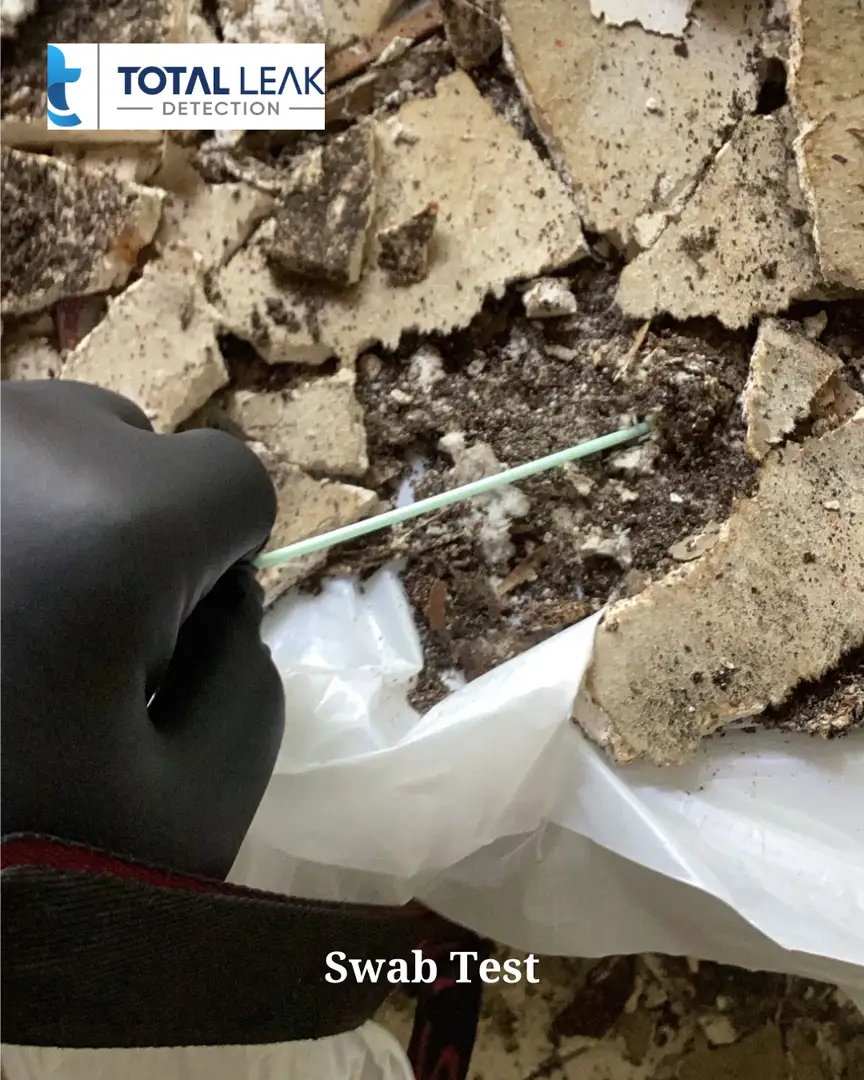
Professional mold testing involves collecting samples and sending them to an accredited laboratory for analysis. Testing can determine:
- Exact species present
- Whether mycotoxin-producing molds are present
- Spore concentrations in air and on surfaces
- The extent of contamination
This information is essential for making informed decisions about your home and health.
When to Be Concerned
Regardless of color, you should take mold seriously when:
Visible Mold Covers a Large Area
Any mold growth larger than about 10 square feet (roughly a 3x3 foot area) warrants professional attention.
Mold Returns After Cleaning
If you've cleaned mold and it comes back, there's likely a moisture problem you haven't solved—and possibly more mold hidden from view.
You Smell Mold But Don't See It
A persistent musty odor indicates mold growing somewhere, even if you can't find it. Hidden mold inside walls or HVAC systems is common.
Anyone Has Symptoms
Health symptoms that appear or worsen when at home and improve when away suggest indoor air quality issues—potentially mold-related.
Recent Water Damage
After flooding, leaks, or water damage, mold growth is highly likely if the area wasn't dried within 24-48 hours.
You're Buying or Selling Property
Mold issues can affect property value and pose liability concerns. Testing provides documentation of current conditions.
What to Do If You Find Mold
Don't Panic
Finding mold doesn't mean your home is uninhabitable. Small amounts of mold are part of our environment. The key is addressing it properly.
Don't Disturb Large Mold Growth
Disturbing mold releases spores into the air. If you have significant visible mold, avoid the area until professionals can assess it.
Address the Moisture Source
Mold needs moisture to survive. Identify and fix leaks, reduce humidity, and improve ventilation. Our leak detection services can help identify hidden water sources feeding mold growth.
Document What You've Found
Take photos before cleaning or disturbing anything. Note when you first noticed the mold and any symptoms household members have experienced.
Consider Professional Assessment
For anything beyond small, surface-level mold in a visible area, professional mold testing helps you understand:
- What species are present
- The extent of contamination
- Whether the situation poses elevated health risks
- What response is appropriate
The Value of Professional Mold Testing
Many homeowners ask whether professional testing is really necessary. Here's what it provides:
Accurate Identification
Laboratory analysis identifies exact mold species—information you simply can't get from visual inspection.
Quantification
Testing measures spore concentrations, helping determine whether levels are elevated compared to outdoor air (some indoor mold is normal).
Hidden Mold Detection
Air sampling can detect mold you can't see—inside walls, in HVAC systems, or in inaccessible areas.
Documentation
Test results provide documentation for:
- Insurance claims
- Real estate transactions
- Landlord/tenant disputes
- Medical records if health issues arise
Informed Decision-Making
Knowing exactly what you're dealing with helps you decide on the appropriate response—whether that's simple cleaning or more comprehensive remediation.
Taking the Right Steps
At Total Leak Detection, we help Florida homeowners understand their mold situations through professional testing and assessment. We know that finding mold in your home is stressful, and getting accurate information is the first step toward solving the problem.
Whether you've spotted suspicious growth, smell something musty, or want peace of mind after water damage, we can help you understand what you're dealing with.
📞 Call Today: (855) 385-5325
🌐 Learn More: totalleakdetection.com
Frequently Asked Questions
Is black mold more dangerous than other molds?
Not necessarily. "Black mold" (Stachybotrys) does produce mycotoxins, but so do many other mold species that aren't black. And many black-colored molds are relatively harmless. The species and concentration matter more than color.
Can I test for mold myself with a home kit?
Home testing kits are available but have significant limitations. Many can't identify species accurately, and they may give false positives (mold spores are everywhere) or miss hidden problems. Professional testing provides more reliable, actionable results.
How do I know if the mold in my bathroom is dangerous?
Without testing, you don't. Bathroom mold is extremely common due to moisture, and it's often species like Cladosporium or Aspergillus. However, these can still cause allergic reactions and respiratory issues. If mold keeps returning despite cleaning, professional assessment is recommended.
Should I have mold tested before or after cleaning it?
Before cleaning, if possible. Testing identifies what species are present and documents the problem. If you've already cleaned and mold returns, testing helps determine whether remediation was complete and what species you're dealing with.
What if testing shows "toxic" mold?
Test results showing toxigenic mold species don't mean you should panic or immediately vacate your home. The appropriate response depends on the concentration, location, and extent of growth. Professional guidance can help you determine the right next steps.
Related Resources
- How Long After Water Damage Does Mold Grow? - Understanding mold timelines
- 7 Simple Steps to Do a Mold Test - The testing process explained
- Mold Inspection and Indoor Air Quality - How testing improves your home
- Signs of a Hidden Water Leak - Water is often the cause