Can Insurance Deny a Claim Without Leak Detection?
Can Insurance Deny a Claim Without Leak Detection?
Insurance can deny, delay, or limit a water damage claim when the carrier cannot verify where the water came from, when it happened, and what caused it. Leak detection is not a magic approval stamp, and coverage depends on your policy. But when the source is hidden or disputed, a professional report can make the claim much easier to evaluate.
The practical goal is simple: give the adjuster clear evidence instead of a vague statement like "there was water in the wall."
Why Insurers May Ask for Documentation
Water damage claims usually turn on the cause. A carrier may ask whether the water came from a sudden pipe failure, an ongoing maintenance issue, an appliance, a drain line, a roof, a shower pan, or a slab leak. Those details matter because policies often treat sudden and accidental damage differently from long-term seepage, wear, neglect, or exterior intrusion.

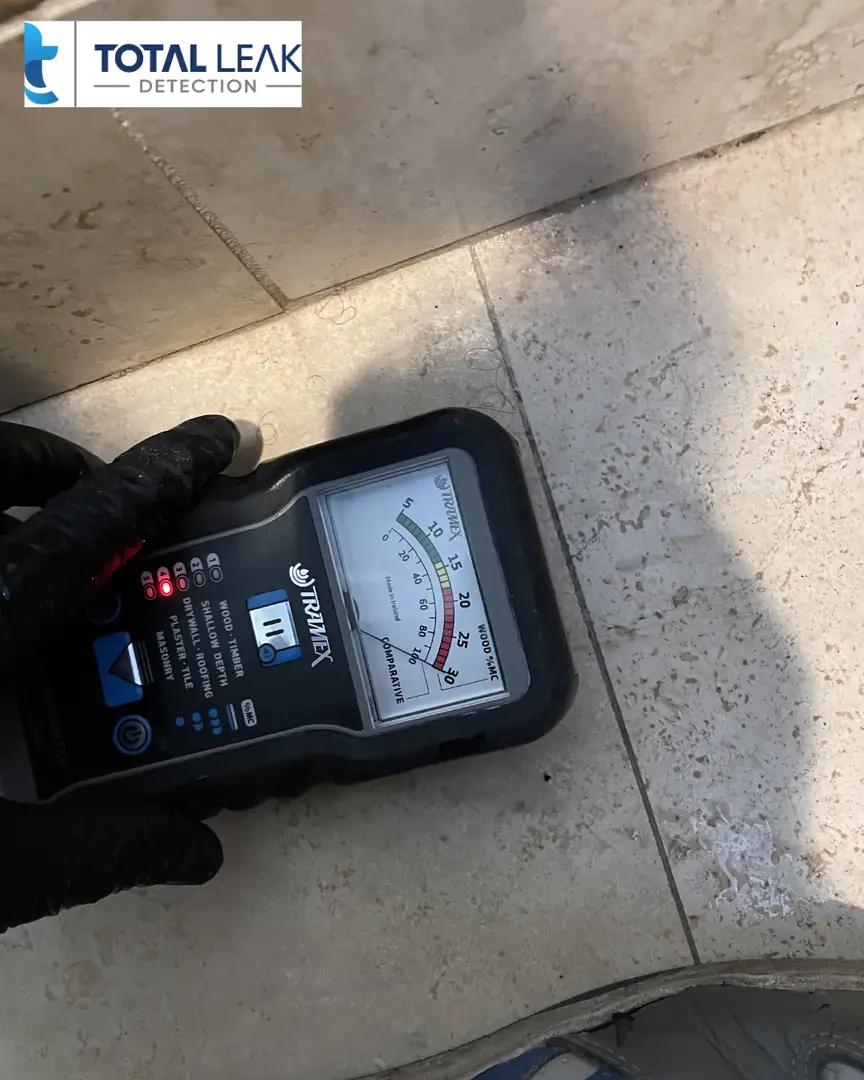
If you have water damage but no visible source, the adjuster may not be able to confirm whether the loss is covered. Leak detection services help by identifying the likely source and documenting the findings before repair work changes the scene.
Situations Where Detection Helps Most
Leak detection is especially useful when:
- Water stains appear on a wall or ceiling with no visible pipe leak.
- Flooring is buckling, but the source may be plumbing, appliance, HVAC, or exterior water.
- A meter test suggests a supply leak, but the pipe is behind a wall or under concrete.
- A plumber needs a precise location before opening a finished surface.
- The leak is intermittent and only appears when a shower, tub, toilet, or appliance runs.
- You need documentation for a pipe burst, slab leak, or hidden water line failure.
If the leak source is obvious--for example, a broken supply line under a sink with clear photos--detection may be less important. When the source is hidden, documentation becomes much more valuable.
When to Schedule Detection in the Claims Process
Schedule detection as soon as you discover unexplained water damage and it is safe to inspect. Early testing can preserve evidence before drywall, cabinets, flooring, or baseboards are removed. It can also prevent a contractor from opening the wrong area first.
If water is actively spreading, stop the water first if you can do so safely. Shut off the fixture or main valve, protect electrical hazards, and document the condition with photos. Then schedule detection before permanent repairs begin.
What to Include in the Report for Your Insurer
Ask your provider for a written report or finding that includes:
- The suspected or confirmed leak location.
- The type of leak or system involved: supply line, drain, shower pan, appliance, slab, irrigation, or other source.
- Testing methods used, such as moisture mapping, thermal imaging, acoustic listening, pressure testing, or fixture testing.
- Whether the leak appeared active at the time of inspection.
- Photos, diagrams, or a mark-out when available.
- Recommendations for targeted access or repair.
Keep your own records too: photos, videos, plumber invoices, mitigation invoices, water bills, and notes about when you first noticed the damage. Submit copies to the insurer, but keep originals for your records.
What Leak Detection Cannot Guarantee
Leak detection can support a claim, but it does not decide coverage. The insurance company still applies your policy language, exclusions, deductibles, and claim investigation. A report also may identify a source that creates a coverage dispute--for example, long-term seepage or a failed exterior waterproofing detail. That is still useful because it gives everyone a clearer factual basis.
Bottom Line
Yes, a water damage claim can be denied or delayed when the leak source is not documented. Professional leak detection helps by showing where the water came from, what testing was performed, and where repairs should focus. If the source is hidden or disputed, schedule detection early and keep the report with your claim documents.
Frequently Asked Questions
- Can insurance deny a claim without leak detection?
- An insurer may deny, delay, or limit a water damage claim when the cause and location of the leak are unclear. A professional leak detection report can document the source, affected area, and whether the leak appears active, which helps support the claim.
- Is leak detection always required for an insurance claim?
- Not always. If the leak source is obvious and well documented, detection may not be necessary. It becomes more important when the source is hidden, disputed, intermittent, or behind walls, under slabs, or above ceilings.
- What should a leak detection report include for insurance?
- Ask for the leak location, likely cause, test methods used, photos or diagrams when available, whether the leak was active, and recommendations for targeted repair.