Can Mold Testing Detect Mold Inside Walls?
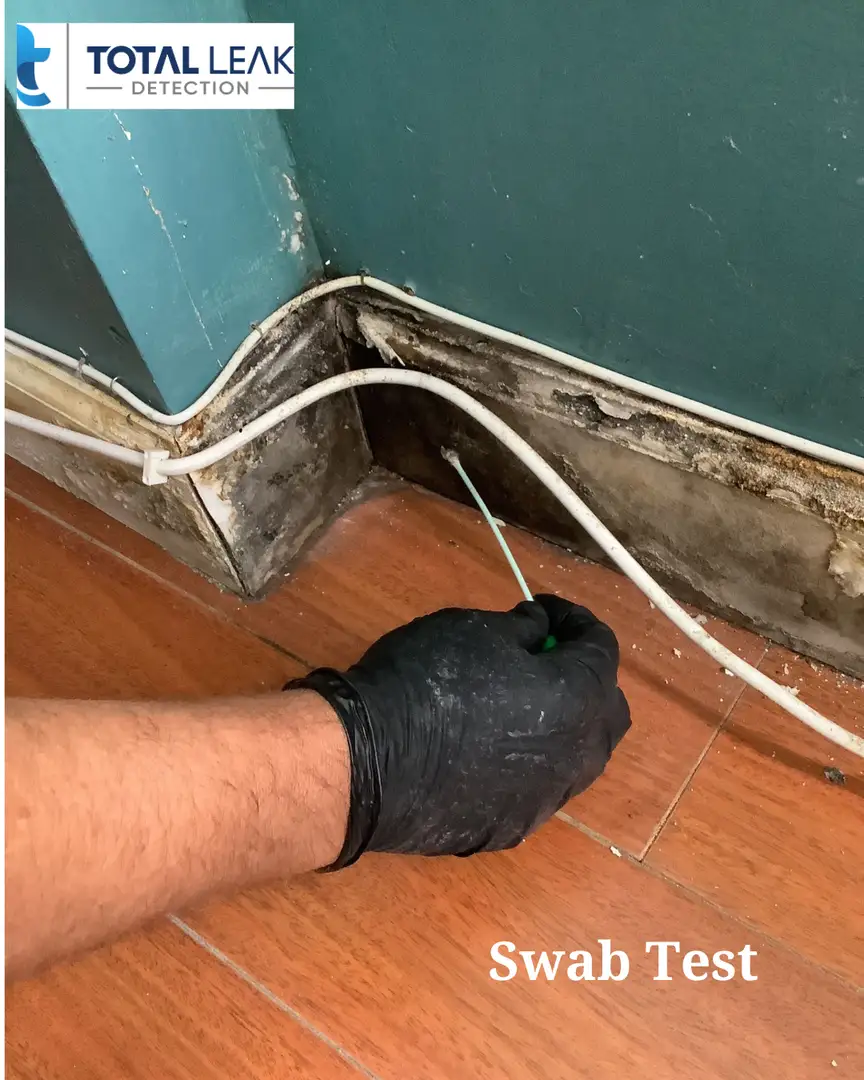
Can Mold Testing Detect Mold Inside Walls?
Yes. Mold testing can indicate mold inside walls through air sampling (elevated spores when a wall cavity is disturbed), moisture mapping, thermal imaging, or strategic bulk sampling. A professional can recommend the right approach. Mold behind walls is common after leaks or water damage, and testing can help confirm it without opening the wall first.
How Mold Inside Walls Is Detected
Mold inside walls is not visible from the outside, but testing can suggest or confirm it. Air sampling can show elevated spore counts in a room—especially if the wall cavity is disturbed (for example, a small hole or removal of a baseboard) and spores are released. Moisture mapping and thermal imaging can identify areas of dampness or temperature difference that may indicate moisture and mold behind the wall. In some cases, a professional may take a bulk sample—a small piece of drywall or insulation—from a strategic location to confirm mold growth. The combination of moisture mapping, air sampling, and sometimes bulk sampling helps build a picture of what is behind the wall.

Professional mold testing helps with hidden mold and water damage mold behind walls. If you smell mold or had water damage near a wall, schedule testing so the right sampling strategy can be designed for your situation.
When to Suspect Mold Inside Walls
Suspect mold inside walls if you have a persistent musty odor with no visible mold, a history of leaks or plumbing issues near that wall, staining or soft spots on the wall, or worsening allergies when you are in the room. Past flooding or a slow leak from a pipe inside the wall are common causes. Professional mold testing can use moisture mapping, air sampling, and sometimes strategic bulk sampling to confirm whether mold is present and where, so you can plan remediation—including opening the wall if needed—and fix the moisture source so mold does not return.
How Thermal Imaging and Moisture Meters Help
Thermal imaging cameras detect temperature differences on surfaces. A wet or damp area inside a wall is often cooler than the surrounding dry material, which shows up as a distinct pattern on the thermal image. This helps narrow down where moisture—and potentially mold—may be hiding without cutting into the wall. Moisture meters measure the moisture content of building materials directly; a probe or pin can be inserted into drywall or wood to confirm elevated moisture levels. Together, thermal imaging and moisture meters give the assessor a non-invasive way to map problem areas before deciding where to sample. If a thermal scan and moisture readings point to a specific section of wall, a small bulk sample or a strategically placed air sample near that area can confirm whether mold is present.
What to Expect During an Inspection
When you schedule professional mold testing for suspected mold inside walls, expect the assessor to walk through your home, ask about water damage history, odors, and symptoms, and visually inspect suspect areas. They may use a moisture meter and thermal camera to scan walls, ceilings, and floors. If elevated moisture or thermal anomalies are found, they may recommend air sampling near that area or a small bulk sample. In some cases, removing a baseboard or making a small inspection hole allows direct sampling of the wall cavity. The assessor will explain the sampling plan, collect samples, and send them to a certified lab. Results typically arrive within a few business days and include species identification and spore counts, along with recommendations for remediation if needed.
After Testing: Remediation and Moisture Control
If testing indicates mold inside a wall, the next step is usually remediation: opening the affected area, removing contaminated materials, and drying the cavity. The moisture source—whether a leak, condensation, or past water damage—must be fixed so mold does not return. A mold assessor can outline what needs to be removed and recommend a remediator; after cleanup, post-remediation clearance testing confirms the area is clear. For a full picture of how mold testing works and when it is needed, see our complete guide to mold testing.
Summary
Yes—mold testing can indicate mold inside walls through air sampling, moisture mapping, thermal imaging, and sometimes bulk sampling. A professional can recommend the right approach for your situation. Schedule testing if you smell mold or had water damage near a wall so you can get a clear picture of what is behind the wall. For more on mold testing methods and indoor air quality, see our guide to mold testing.
Frequently Asked Questions
- Can mold testing detect mold inside walls?
- Yes. Mold testing can indicate mold inside walls through air sampling (elevated spores when a wall cavity is disturbed), moisture mapping, thermal imaging, or strategic bulk sampling. Professional mold testing can recommend the right approach for your situation.