Can Mold Testing Fail After Remediation?
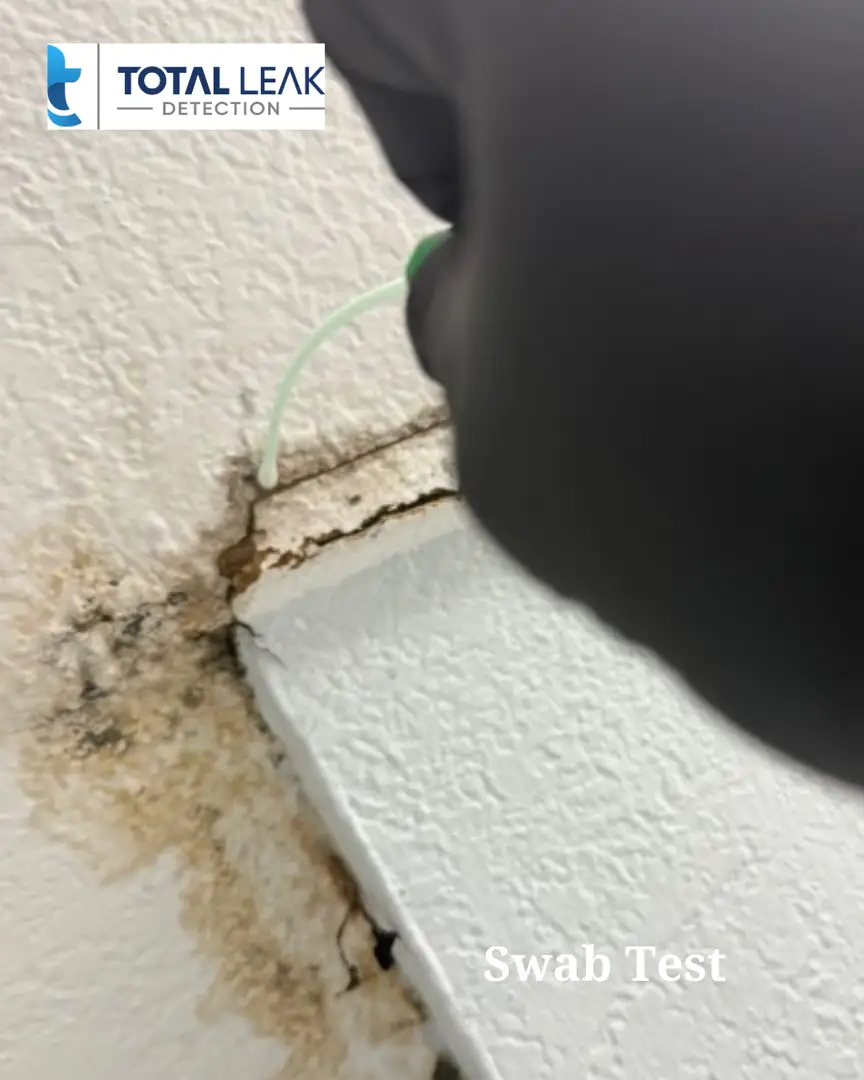
Can Mold Testing Fail After Remediation?
Yes. Post-remediation clearance testing can fail if mold was not fully removed, moisture remains, or new growth has started. In that case, additional remediation and moisture control are needed before retesting. Understanding why clearance fails helps you fix the problem and pass on the next round.
Why Clearance Testing Can Fail
Post-remediation clearance testing is done after mold removal to confirm the area is clean. Air and sometimes surface samples are taken and compared to baseline or outdoor levels. Clearance can fail if mold was not fully removed—for example, mold remains in a cavity or behind a surface that was not fully addressed. It can also fail if moisture remains; mold will grow back if the moisture source was not fixed. In some cases, new growth has started because drying was incomplete or a new leak occurred. When clearance fails, the report and the testing professional can help identify why—elevated spore counts in a particular area, moisture readings, or visible growth—so you know what to fix.

Professional mold testing can identify why clearance failed and what to fix. Additional remediation and moisture control are usually needed before retesting. If you had water damage mold or hidden mold remediation, schedule testing to confirm the space is clear, and if it fails, follow the recommendations before retesting.
What to Do When Clearance Fails
When clearance fails, the report should indicate where spore counts were elevated or where moisture or visible mold was found. Share the report with your remediator so they can address those areas—for example, remove remaining mold, improve drying, or fix the moisture source. Do not retest until the remediator has completed the additional work and the area has been dried. Retesting too soon can lead to another failure and extra cost. Professional mold testing can explain the results and recommend what to fix before the next clearance visit so you have a clear path to passing.
Common Reasons Clearance Fails
Clearance testing most often fails for a handful of reasons. First, incomplete removal: mold may remain in a wall cavity, behind cabinetry, or on framing that was not fully exposed during remediation. Second, residual moisture: if the area was not dried to acceptable levels—typically below 15–17% moisture content for wood or drywall—mold can regrow quickly, especially in Florida's humid climate. Third, cross-contamination: spores from the affected area may have spread to adjacent rooms or HVAC ducts during remediation if containment was inadequate. Fourth, new water intrusion: a leak that was not fully repaired, or a new leak, can reintroduce moisture and cause fresh growth before clearance. Finally, timing: testing too soon after remediation—before surfaces have fully dried or settled—can produce elevated readings that would normalize with a few more days of drying.
Cost of Retesting and Additional Remediation
When clearance fails, additional remediation and a second round of testing add to the project cost. Retesting typically costs the same as the initial clearance visit—usually a few hundred dollars depending on the number of samples and lab fees. Additional remediation costs vary depending on what was missed: removing a small section of drywall is relatively inexpensive, while addressing widespread contamination or replacing HVAC components can be more significant. To minimize surprises, ask your remediator for a written scope of work before the first clearance and confirm that all affected materials are addressed. Working with a professional mold testing company that communicates clearly with your remediator can help avoid misalignment and reduce the risk of a failed clearance.
How to Prepare for Successful Clearance
To improve your chances of passing clearance testing on the first attempt, make sure remediation is truly complete: all affected materials should be removed (not just cleaned), the moisture source fixed (such as a leak or condensation issue), and the area fully dried. If the remediator used containment barriers, they should be removed only after your mold assessor gives the okay. Avoid moving items back into the space until clearance passes. For a deeper understanding of what post-remediation verification involves, see What Is a Post-Remediation Verification? and our complete guide to mold testing.
Summary
Yes—clearance testing can fail if mold remains, moisture is still present, or new growth has started. When it fails, the report will help you and your remediator address the cause before retesting. Schedule professional mold testing after remediation to confirm the space is clear, and follow up with any recommended fixes if clearance does not pass. For more on clearance testing and mold assessment, see our guide to mold testing.
Frequently Asked Questions
- Can mold testing fail after remediation?
- Yes. Post-remediation clearance testing can fail if mold was not fully removed, moisture remains, or new growth has started. In that case, additional remediation and moisture control are needed before retesting. Professional mold testing can identify why clearance failed and what to fix.