Can Mold Testing Miss Hidden Mold?
Can Mold Testing Miss Hidden Mold?
Yes. Surface or air sampling alone can miss mold behind walls or under flooring. A thorough assessment—including moisture mapping, thermal imaging, or strategic sampling—reduces the risk of missing hidden mold. Knowing the limits of testing helps you choose the right approach.
When Testing May Miss Hidden Mold
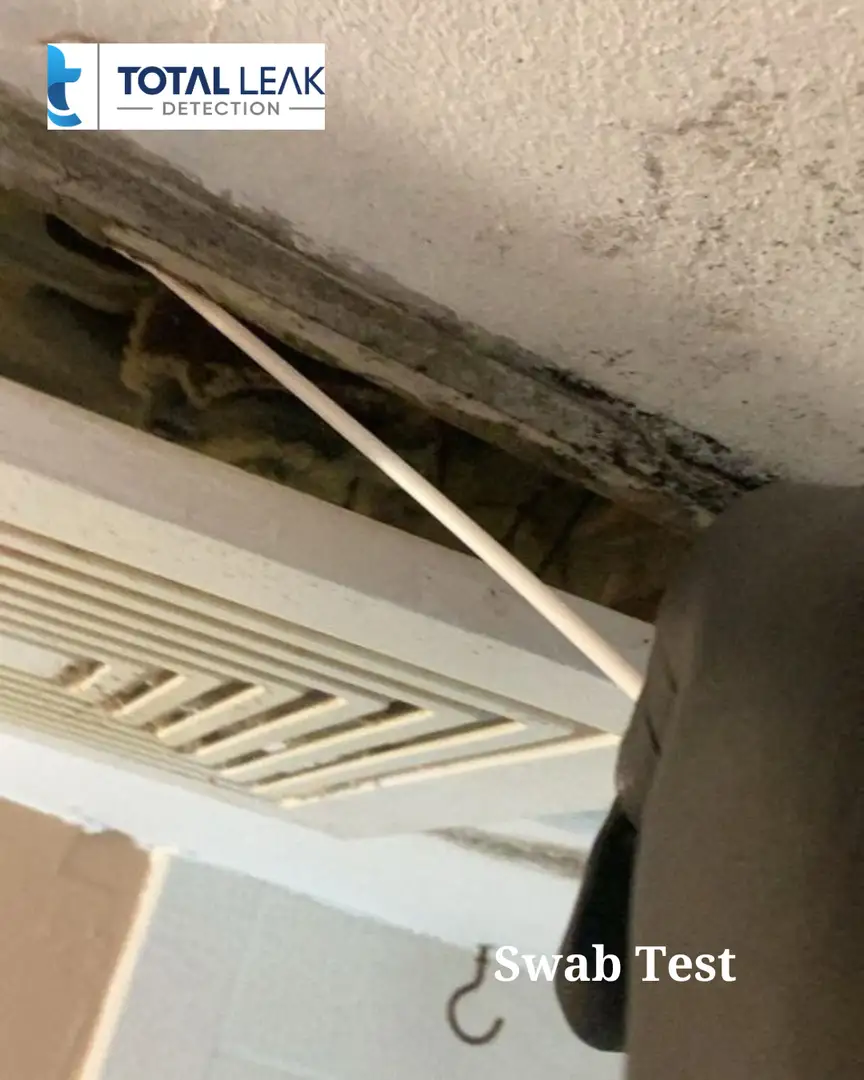
Mold behind walls, under flooring, or in HVAC systems is out of sight. A single air sample in the middle of a room may not capture spores from a small, enclosed cavity. Surface sampling only finds mold on the surfaces that are sampled—so if mold is growing on the back of drywall or inside a wall cavity, surface sampling alone may miss it. For that reason, a limited or poorly placed sampling plan can miss hidden mold.

A thorough assessment reduces the risk. Moisture mapping and thermal imaging can identify areas of dampness that may indicate mold behind walls or under flooring. Strategic air sampling—including near suspected areas or after disturbing a wall cavity—can capture elevated spores. In some cases, bulk sampling (a small piece of material) from a strategic location can confirm mold inside a wall. Professional mold testing can recommend the right approach for water damage mold and other situations. If you suspect mold in inaccessible areas, schedule an inspection so a comprehensive plan can be designed.
What to Ask For When You Schedule
When you schedule professional mold testing and you suspect hidden mold behind walls or under flooring, ask how the assessor will address inaccessible areas. A thorough assessment should include a discussion of your symptoms (odor, water damage history, staining), moisture mapping or thermal imaging if appropriate, and a sampling plan that targets suspected areas—not just a single room air sample. That approach increases the chance of finding hidden mold and gives you a clearer picture of what needs to be remediated.
Where Hidden Mold Commonly Grows
In Florida homes, hidden mold often appears in predictable locations. Behind bathroom walls—especially around showers, tubs, and toilets—where moisture from condensation or slow leaks accumulates over time. Under kitchen sinks and behind dishwashers, where supply line leaks or drain issues go unnoticed. Inside wall cavities near air conditioning systems, where condensation from ductwork or a clogged drain line creates a damp environment. In attics and crawl spaces, where poor ventilation and roof leaks allow moisture to linger. Under flooring, particularly laminate or vinyl that traps moisture from slab leaks or spills. And inside HVAC air handlers and ductwork, where humidity and dust create ideal conditions for mold. A professional mold testing inspection that includes moisture mapping and thermal imaging can identify these problem areas before they become larger issues.
Why a Comprehensive Sampling Plan Matters
A single air sample in one room may not detect mold growing in a different area of the home. A comprehensive sampling plan takes multiple samples in different locations—including rooms with suspected issues, rooms near known moisture sources, and a baseline outdoor sample for comparison. This approach increases the likelihood of detecting elevated spore counts and helps pinpoint where the problem is located. If you have had water damage in one part of the house but symptoms or odors in another, a multi-sample plan can reveal whether spores have spread. Discuss your concerns with the assessor so they can design a plan that addresses your specific situation rather than relying on a one-size-fits-all approach.
Warning Signs That Suggest Hidden Mold
Even without visible growth, certain clues suggest mold in hidden areas: a persistent musty smell that does not improve with cleaning or ventilation, unexplained allergy or respiratory symptoms that worsen indoors, water stains or peeling paint on walls or ceilings, and a history of leaks or flooding. If the home is in a humid climate like Florida, these risks are higher. Addressing the moisture source—often a leak or condensation problem—is essential to prevent recurrence. For an in-depth look at how testing works and when each method is used, see our complete guide to mold testing.
Summary
Mold testing can miss hidden mold if only limited surface or air samples are used. A thorough assessment with moisture mapping, thermal imaging, and strategic sampling reduces that risk. Schedule professional mold testing and ask for a comprehensive plan if you suspect mold behind walls or in other inaccessible areas. For more on detecting hidden mold, see our guide to mold testing.
Frequently Asked Questions
- Can mold testing miss hidden mold?
- Yes. Surface or air sampling alone can miss mold growing behind walls, under flooring, or in other inaccessible areas. A thorough assessment—including moisture mapping, thermal imaging, or strategic sampling—reduces the risk. Professional mold testing can recommend the right approach for your situation.