Do I Need a Mold Test After Water Damage? (When Testing Matters)
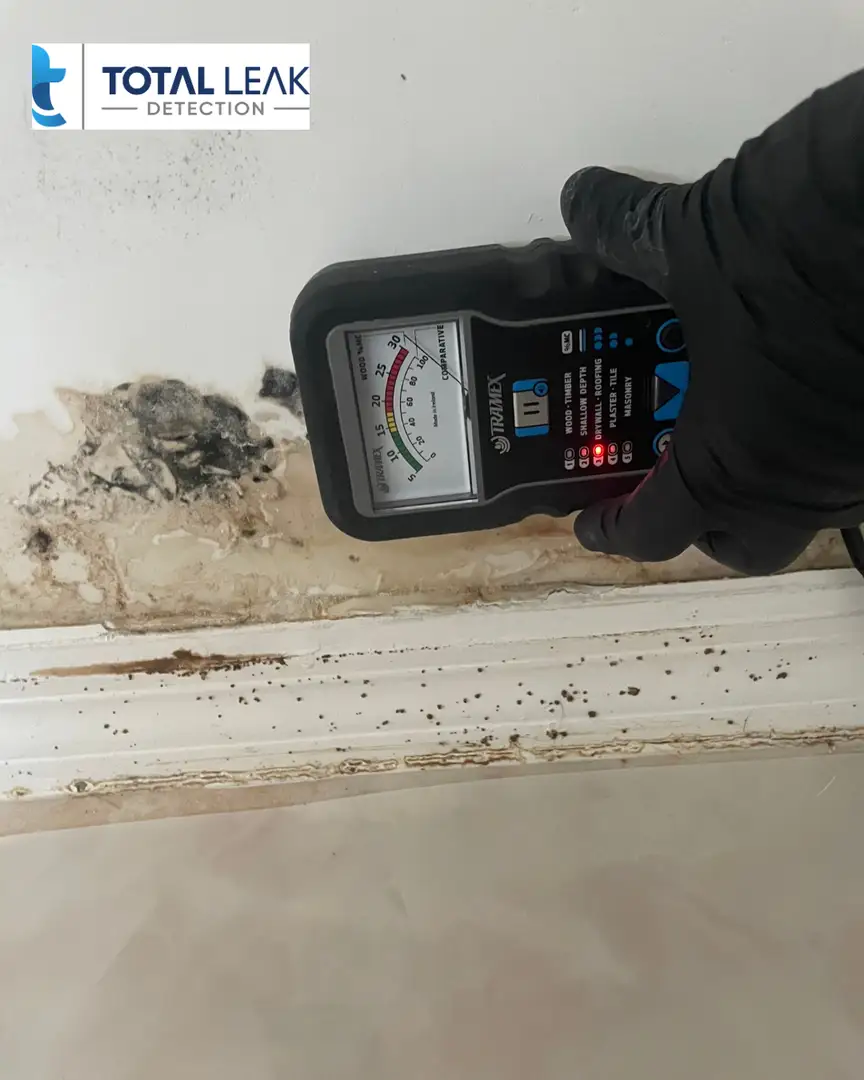
Do I Need a Mold Test After Water Damage? (When Testing Matters)
After experiencing water damage—whether from a burst pipe, roof leak, flooding, or appliance failure—one of the first questions homeowners ask is: "Do I need to worry about mold?"
The short answer: possibly. Mold can begin growing within 24-48 hours of water exposure, and Florida's warm, humid climate accelerates this timeline. But not every water damage situation requires professional mold testing.
This guide helps you evaluate your specific situation and make an informed decision.
The Decision Framework
Ask yourself these questions to determine whether mold testing makes sense for your situation:
How Long Were Materials Wet?
Less than 24 hours with thorough drying:
If you caught the water damage immediately and dried affected areas completely within 24 hours, mold growth is less likely (though not impossible in Florida's humidity).
24-48 hours:
This is the critical window. Mold spores begin germinating during this timeframe. Professional assessment becomes more advisable.
More than 48 hours:
If materials remained wet for more than two days, assume mold growth has started somewhere. Testing can determine the extent and species present.
Unknown duration:
If you discovered water damage from a hidden leak and don't know how long it was occurring, treat it as a longer-term exposure and consider testing.
What Type of Water Was Involved?
Water damage falls into three categories:
Clean Water (Category 1):
Water from broken supply lines, faucets, or ice makers. While still requiring quick cleanup, poses lower mold risk than contaminated water.
Gray Water (Category 2):
Water from dishwashers, washing machines, or aquariums. Contains some contaminants and requires more cautious handling.
Black Water (Category 3):
Water from sewage, toilet overflow, or floodwater. Contains bacteria, pathogens, and organic matter that promotes mold growth. Testing is strongly recommended.
What Materials Were Affected?
Non-porous materials only (tile, glass, metal):
These can be cleaned and dried effectively. Lower mold risk.
Porous materials (drywall, carpet, wood, insulation):
These absorb water and are difficult to dry completely. Mold can grow inside these materials even when surfaces appear dry. Higher mold risk.
Was the Area Hidden or Exposed?
Open, accessible areas:
You can monitor for signs of mold and ensure complete drying. Lower concern.
Hidden areas (inside walls, under flooring, in crawl spaces):
You can't see what's happening. Water may remain trapped, creating ideal mold conditions. Testing can detect hidden problems.
When You Should Definitely Get a Mold Test
After Flooding
Floodwater brings contaminants, organic matter, and mold spores directly into your home. Even if you've cleaned and dried everything visible, mold growth inside walls and under flooring is highly likely after significant flooding.
When You Smell Mold
A musty, earthy odor after water damage is a strong indicator that mold is growing—even if you can't see it. If you smell mold, testing can locate the source.
When You See Any Visible Mold
If mold is already visible, testing determines:
- What species are present
- Whether hidden mold exists beyond what you can see
- The concentration of spores in your air
- The full extent of contamination
When Health Symptoms Appear
If anyone in your household develops or experiences worsening symptoms after water damage—respiratory issues, allergies, headaches, fatigue—mold testing can determine if elevated spore levels are the cause.
Symptoms that warrant testing include:
- Persistent coughing or wheezing
- Nasal congestion that doesn't resolve
- Itchy, watery eyes
- Skin irritation
- Headaches that improve when away from home
- Worsening asthma
When Vulnerable People Live in the Home
Testing is especially important if your household includes:
- Infants and young children
- Elderly family members
- Anyone with respiratory conditions (asthma, COPD)
- People with compromised immune systems
- Those with known mold allergies
For Insurance Documentation
If you're filing an insurance claim for water damage, mold testing provides:
- Documentation of current conditions
- Evidence of damage extent
- Baseline for comparison after remediation
- Professional reports that support your claim
Before Major Repairs or Renovations
If you're planning to repair water-damaged areas, testing first ensures you know the full scope of what you're dealing with. Renovating without addressing hidden mold can:
- Spread mold spores throughout your home
- Seal mold inside walls where it continues growing
- Lead to recurring problems
- Waste money on repairs that don't solve the underlying issue
When Buying or Selling a Home
For real estate transactions involving properties with any history of water damage, mold testing protects both buyers and sellers:
- Buyers know what they're getting into
- Sellers have documentation of current conditions
- Both parties avoid future disputes
When Testing May Not Be Necessary
Minor, Immediately Addressed Spills
If you mopped up a small water spill within hours and the area dried completely, mold testing is likely overkill.
Surface Mold in Expected Areas
Small amounts of surface mold in bathroom tile grout or around shower fixtures is normal in Florida's climate. Regular cleaning handles this—no testing needed unless it's extensive or keeps returning despite cleaning.
When You'll Be Removing Materials Anyway
If water-damaged drywall, carpet, or other materials are being removed regardless of mold presence, testing first may be unnecessary. However, testing after removal can verify that no hidden mold remains.
What Professional Mold Testing Tells You
Understanding what you'll learn from testing helps determine its value:
Species Identification
Laboratory analysis identifies exactly which mold types are present. This matters because:
- Some species produce mycotoxins; others don't
- Different species indicate different moisture conditions
- Certain species warrant more aggressive response
Spore Concentrations
Testing measures how many mold spores are in your air compared to outdoor levels. This tells you:
- Whether indoor levels are elevated (some mold is normal)
- How severely your air quality is affected
- Whether remediation was successful (with post-remediation testing)
Hidden Mold Detection
Air sampling can detect mold you can't see. Elevated indoor spore counts without visible mold suggest hidden growth—inside walls, in HVAC systems, or in other inaccessible areas.
Contamination Mapping
Surface samples from multiple locations help map the extent of contamination. This information guides remediation efforts and ensures nothing is missed.
Baseline Documentation
Testing creates a record of current conditions. This is valuable for:
- Insurance claims
- Comparing pre- and post-remediation conditions
- Medical documentation if health issues arise
- Real estate transactions
The Cost of Testing vs. The Cost of Guessing
Professional Mold Testing Cost
Testing typically ranges from $300-$800 depending on:
- Number of samples collected
- Size of the area assessed
- Type of analysis performed
- Laboratory fees
Cost of Untreated Mold
Ignoring mold or assuming it's not present can lead to:
- Structural damage — Mold degrades wood and drywall over time ($5,000-$30,000+)
- Health expenses — Medical bills for mold-related illness (varies widely)
- Extensive remediation — The longer mold grows, the more expensive removal becomes
- Lost property value — Documented mold history affects resale value
- Liability issues — Landlords, sellers, and property managers face legal exposure
The Real Calculation
A few hundred dollars for testing can prevent thousands in future costs. More importantly, it provides peace of mind and protects your family's health.
What to Expect from Professional Mold Assessment
Initial Consultation
A professional inspector discusses your situation:
- What water damage occurred
- When it happened
- What cleanup has been done
- Any symptoms you've noticed
- Your specific concerns
Visual Inspection
The inspector examines your property for:
- Visible mold growth
- Signs of moisture or water damage
- Conditions favorable to mold growth
- Potential hidden moisture sources
Sample Collection
Depending on your situation, the inspector may collect:
- Air samples — Capture airborne spores for analysis
- Surface samples — Swabs or tape lifts from visible growth
- Bulk samples — Pieces of affected material for analysis
Laboratory Analysis
Samples go to an accredited laboratory where technicians identify mold species and quantify spore concentrations.
Detailed Report
You receive a report documenting:
- Findings from visual inspection
- Laboratory results with species identification
- Spore concentrations compared to outdoor levels
- Assessment of the situation
- Recommendations for addressing any issues
Making Your Decision
Consider mold testing when:
| Factor | Lower Risk | Higher Risk |
|---|---|---|
| Duration wet | Less than 24 hours | More than 48 hours |
| Water type | Clean (Category 1) | Gray or Black (2-3) |
| Materials | Non-porous only | Porous materials |
| Visibility | Accessible area | Hidden area |
| Current signs | None | Visible mold or musty smell |
| Household | Healthy adults | Vulnerable individuals |
| Documentation | Not needed | Insurance/real estate |
The more "higher risk" factors that apply, the more valuable professional testing becomes.
Get Expert Assessment
At Total Leak Detection, we help Florida homeowners understand their mold situations through professional testing and honest assessment. After water damage, knowing what you're dealing with—rather than guessing—protects both your home and your family.
If you've experienced water damage and aren't sure whether mold testing is right for your situation, we're happy to discuss your specific circumstances and help you make an informed decision.
📞 Call Today: (855) 385-5325
🌐 Learn More: totalleakdetection.com
Frequently Asked Questions
How soon after water damage should I test for mold?
If you've decided testing makes sense, sooner is better. However, waiting a few days after cleanup allows any mold that has begun growing to produce detectable spore levels. For visible mold, test anytime. For hidden mold detection after water damage, 3-7 days after the incident is reasonable.
Can I just wait and see if mold appears?
You can, but by the time mold is visible, it's been growing for at least 1-3 weeks. Hidden mold may never become visible while still affecting your air quality and health. In Florida's climate, the "wait and see" approach often leads to larger, more expensive problems.
What if testing shows no mold?
Clean results provide peace of mind and documentation that your home is mold-free. If you've properly cleaned and dried the area, this is the expected outcome—and testing confirms your efforts were successful.
Will my insurance cover mold testing?
Many policies cover mold testing when it's related to a covered water damage claim. Check with your insurance provider. Even if not covered, testing documentation often helps with claim processing and can justify higher payouts for legitimate damage.
If mold is found, what happens next?
Test results help determine appropriate next steps based on the type and extent of mold present. Minor surface contamination may only require cleaning, while more significant findings may indicate the need for professional remediation.
Related Resources
- How Long After Water Damage Does Mold Grow? - Understanding the timeline
- Black Mold vs. Other Mold Types - What different molds mean
- Signs You Have a Hidden Water Leak - Finding the moisture source
- Mold Testing Services - Professional assessment options