Does Black Mold Require Different Testing?
Does Black Mold Require Different Testing?
No. Black mold (Stachybotrys and similar species) is identified with the same air, surface, or bulk sampling as other molds. The lab identifies the species and the report may note health or remediation implications. The sampling methods are the same; the difference is in how the results are interpreted and what the report may say about the type of mold found.
How Black Mold Is Identified
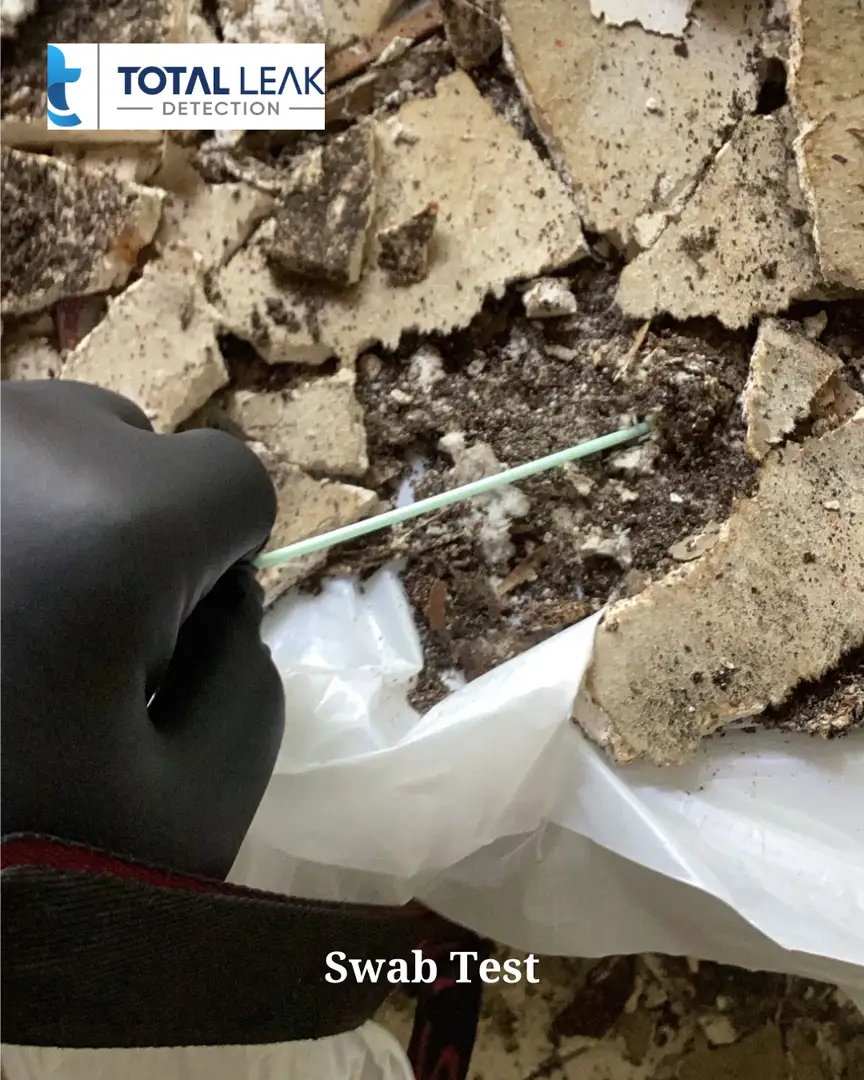
Black mold is a common term for Stachybotrys chartarum and similar dark-colored molds that can grow on very wet, cellulose-rich materials. They are identified using the same methods as other molds: air samples capture spores in the air, surface or tape-lift samples collect mold from a surface, and bulk samples (pieces of material) can be analyzed for mold growth. The lab identifies the species and reports what types of mold are present. The report may note whether Stachybotrys or other species of concern were found and may include guidance on health or remediation. Remediation protocols for Stachybotrys may be more stringent in some guidelines because of the potential for mycotoxins, but the testing itself is the same.

Professional mold testing can recommend the right sampling for water damage mold or hidden mold. If you suspect black mold, schedule testing to confirm what is present and get a clear report on species and next steps.
Why You Should Not Rely on Color Alone
"Black mold" is often used to mean Stachybotrys, but many molds appear dark or black and only lab analysis can identify the species. What looks black on a wall may be another mold entirely. Professional mold testing with air, surface, or bulk sampling and lab identification gives you an accurate species report so you know what you are dealing with and can follow the right remediation guidance. Avoid skipping testing because you "know it's black mold"—getting a proper identification ensures appropriate cleanup and documentation for health or insurance concerns.
Health Concerns and Why Species Identification Matters
Stachybotrys chartarum and certain other molds can produce mycotoxins—toxic compounds that may cause health effects in some people, particularly with prolonged exposure. Symptoms associated with mold exposure can include respiratory irritation, allergic reactions, headaches, and fatigue, though sensitivity varies widely. Because many molds look similar and only lab analysis can confirm species, testing provides clarity: you learn whether Stachybotrys or another species of concern is present, or whether the dark growth is a less concerning mold. This information helps guide remediation scope, personal protective equipment for workers, and decisions about containment. For insurance claims or real estate transactions, a lab report documenting species can also serve as important documentation.
Conditions That Favor Stachybotrys Growth
Stachybotrys thrives on very wet, cellulose-rich materials—drywall paper, cardboard, ceiling tiles, wood, and similar surfaces that have been saturated for an extended period. Unlike some molds that can grow with moderate humidity, Stachybotrys typically requires prolonged water exposure, such as from a leak that went unnoticed for weeks, flooding, or chronic condensation. In Florida, where humidity is high year-round, conditions can favor Stachybotrys growth if a water event is not dried quickly. If you had significant water damage—especially if drying was delayed—or if you see dark, slimy growth on drywall or wood, professional mold testing can confirm what is present and help you plan appropriate remediation.
What to Expect After Testing
Once the lab report confirms what species are present, your mold assessor can recommend next steps. If Stachybotrys or another species of concern is found, remediation protocols may be more stringent—containment, HEPA filtration, and careful removal of affected materials. The moisture source (often a leak or chronic humidity) must be fixed so mold does not return. After remediation, post-remediation clearance testing confirms the area is safe. For a full overview of how testing works and when each sampling method is used, see our complete guide to mold testing.
Summary
No—black mold (Stachybotrys) is identified with the same air, surface, or bulk sampling as other molds. The lab identifies the species and the report may note health or remediation implications. Schedule professional mold testing if you suspect black mold to get a clear report on what is present and recommended next steps. For more on mold species and testing methods, see our guide to mold testing.
Frequently Asked Questions
- Does black mold require different testing?
- No. Black mold (Stachybotrys and similar species) is identified using the same air, surface, or bulk sampling methods as other molds. The lab identifies the species, and the report may note health or remediation implications. Professional mold testing can recommend the right sampling for your situation.