Florida Mold Testing vs. Mold Remediation: What Homeowners Need to Know
Florida Mold Testing vs. Mold Remediation: What Homeowners Need to Know
Discovering mold in your Florida home raises immediate questions: What kind of mold is it? How dangerous is it? What do I do now? The process of addressing mold can feel overwhelming, especially when you're trying to understand the difference between testing, assessment, inspection, and remediation.
This guide explains how mold services work in Florida, what each step involves, and what you should expect throughout the process.
Understanding Mold Services in Florida
When you're dealing with mold, two distinct types of services come into play:
Mold Assessment (Testing/Inspection)
This is the diagnostic phase. Mold assessors:
- Inspect your property for visible mold and moisture sources
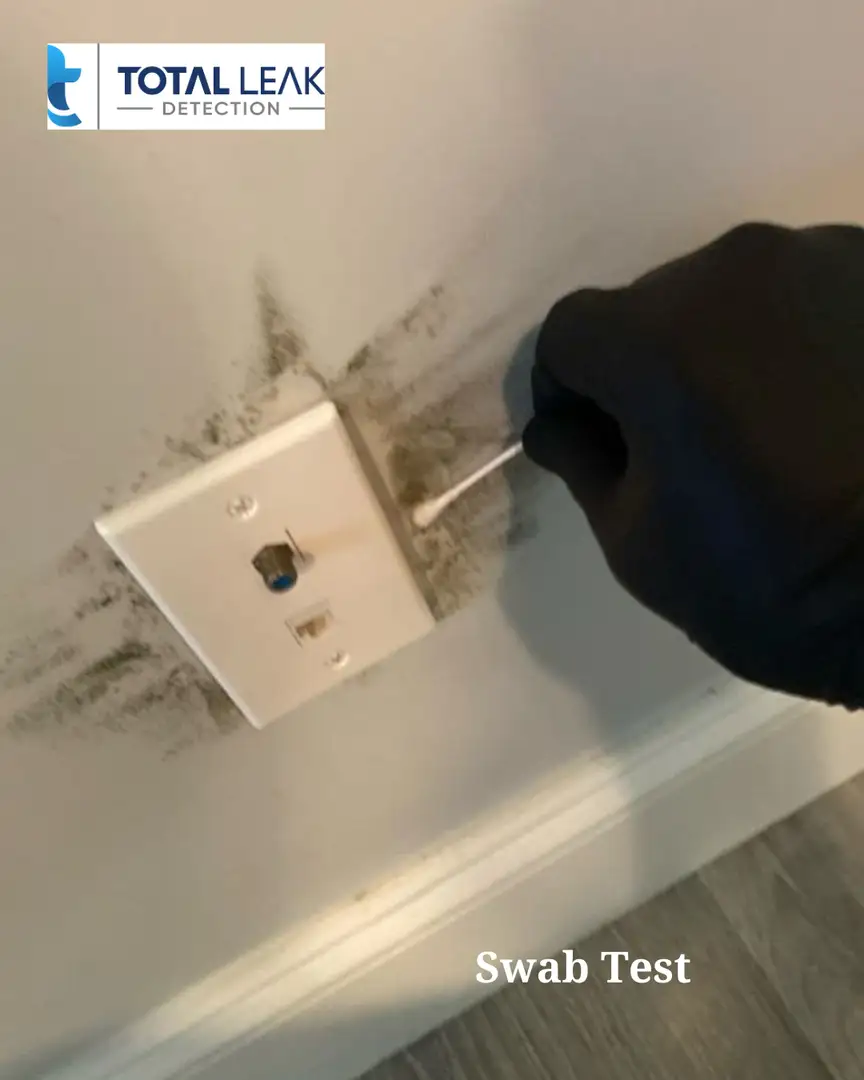
- Collect samples (air and/or surface) for laboratory analysis
- Identify mold species present
- Determine the extent of contamination
- Document findings
- Provide recommendations
The goal: Understand what you're dealing with so you can make informed decisions.
Mold Remediation (Removal)
This is the treatment phase. Mold remediators:
- Contain the affected area to prevent spread
- Remove mold-contaminated materials
- Clean and treat remaining surfaces
- Address moisture sources
- Restore the area to normal conditions
The goal: Eliminate the mold problem and prevent recurrence.
How Florida Protects Consumers
Florida takes mold services seriously. The state has specific regulations designed to protect homeowners:
Licensing Requirements
Both mold assessors and mold remediators must be licensed by the Florida Department of Business and Professional Regulation (DBPR). This ensures:
- Proper training and qualifications
- Accountability for work performed
- Consumer protection through regulatory oversight
Separation of Assessment and Remediation
Florida law (Chapter 468, Part XVI, Florida Statutes) requires that the company performing mold assessment be different from the company performing remediation on the same project, with certain exceptions.
Why this matters:
This separation protects you from conflicts of interest. A company that stands to profit from remediation work could potentially overstate problems during assessment. Keeping these services separate ensures:
- Unbiased assessment — The assessor has no financial incentive to find problems that don't exist
- Honest recommendations — Treatment recommendations are based on actual conditions, not profit motive
- Verification capability — The same assessor can verify remediation was successful (post-remediation testing)
Consumer Protection
Florida's requirements mean:
- You receive objective information about your mold situation
- Remediation recommendations are based on actual need
- You can get independent verification that work was done properly
The Typical Mold Resolution Process
Here's what to expect when addressing mold in your Florida home:
Step 1: Initial Assessment/Testing
When you suspect mold, the first step is understanding what you're dealing with.
What happens:
- A licensed mold assessor inspects your property
- Visual inspection identifies visible mold and moisture concerns
- Samples are collected (air sampling, surface sampling, or both)
- Samples go to an accredited laboratory for analysis
What you learn:
- Whether elevated mold levels exist
- What mold species are present
- The extent and severity of contamination
- Recommendations for addressing the problem
Timeline: Inspection takes 1-3 hours; lab results typically arrive within 3-5 business days.
Step 2: Review Results and Recommendations
Once testing is complete, you receive a detailed report explaining:
- Laboratory findings with species identification
- Comparison to outdoor (baseline) levels
- Assessment of the situation
- Recommended next steps
At this point, you understand:
- How serious the mold problem is
- Whether professional remediation is recommended
- What areas need attention
- The scope of work needed
Step 3: Remediation (If Needed)
Based on assessment findings, you may need professional remediation. This involves hiring a licensed remediation company to:
- Contain affected areas with plastic sheeting
- Establish negative air pressure to prevent spore spread
- Remove contaminated materials (drywall, insulation, etc.)
- Clean remaining surfaces with appropriate methods
- HEPA vacuum all surfaces
- Apply antimicrobial treatments as appropriate
- Address the moisture source that allowed mold to grow
Timeline: Varies based on scope—from a day for minor issues to a week or more for extensive contamination.
Step 4: Post-Remediation Verification
After remediation, the original assessor (or another licensed assessor) performs post-remediation testing to verify:
- Mold levels have returned to normal
- Contaminated materials were properly removed
- The area is safe for reoccupation
- Remediation was successful
This independent verification protects you by confirming the work was done correctly.
Learn more: What is Post-Remediation Verification?
Step 5: Restoration
Once remediation is verified successful, restoration can begin:
- Rebuilding removed structures (drywall, framing)
- Replacing flooring, insulation, etc.
- Painting and finishing
When Do You Need Testing vs. Remediation?
You Need Testing When:
- You suspect mold but aren't sure (musty odors, health symptoms)
- You've had water damage and want to verify whether mold is present
- You see visible mold and want to know what species and how extensive
- You're buying or selling a property
- Someone in your household has mold-related health concerns
- Insurance requires documentation
- You want to verify remediation was successful
You Might Need Remediation When:
- Testing confirms elevated mold levels
- Visible mold covers more than 10 square feet
- Mold is in HVAC systems
- Contamination involves multiple areas
- Household members are experiencing health effects
- The mold problem is too extensive for DIY cleaning
The Value of Professional Assessment
Some homeowners wonder if they can skip testing and go straight to remediation. Here's why starting with professional assessment matters:
Understand What You're Actually Dealing With
Is it toxic mold or common household mold? Is the problem limited to visible areas or more extensive? Testing answers these questions definitively.
Avoid Over-Treatment
Without testing, you might tear out materials that don't need removal, or treat areas that aren't actually contaminated.
Avoid Under-Treatment
Visible mold is often just part of the problem. Testing can detect hidden contamination that would be missed without proper assessment.
Documentation
Test results provide:
- Evidence for insurance claims
- Records for real estate transactions
- Medical documentation if health issues arise
- Baseline for comparison after treatment
Informed Decision-Making
Knowing exactly what mold species are present, in what concentrations, and where helps you make smart decisions about how to proceed.
What About DIY Mold Removal?
For very small areas of surface mold (less than 10 square feet), DIY cleaning may be appropriate:
- Surface mold on bathroom tile or grout
- Small spots on non-porous surfaces
- Mold on items that can be discarded
DIY is NOT appropriate for:
- Large areas of contamination
- Mold inside walls or HVAC systems
- Mold caused by sewage or contaminated water
- Situations where household members have mold allergies or respiratory conditions
- Any situation where you're unsure of the extent
When in doubt, get professional assessment first. A few hundred dollars for testing can prevent thousands in improper DIY treatment—or health effects from improper handling.
Finding the Right Mold Professionals
For Assessment/Testing:
Look for:
- Florida DBPR mold assessor license
- Experience with residential properties
- Use of accredited laboratories
- Clear reports with actionable recommendations
- No pressure to use specific remediation companies
For Remediation:
Look for:
- Florida DBPR mold remediator license
- Workers' compensation and liability insurance
- References from past customers
- Written scope of work before starting
- Willingness to have independent post-remediation verification
Red Flags:
Be cautious of companies that:
- Pressure you to sign immediately
- Offer testing and remediation as a package (may violate Florida law)
- Can't provide license numbers
- Don't want independent verification
- Quote prices without assessing the actual situation
What to Expect Cost-Wise
Mold Testing/Assessment
- Basic inspection with air sampling: $300-$600
- Comprehensive assessment (larger home, multiple sample locations): $400-$800
- Post-remediation verification: $200-$400
Mold Remediation
Costs vary dramatically based on scope:
- Small contained area: $500-$1,500
- Moderate contamination (one room): $1,500-$3,500
- Extensive contamination: $3,500-$10,000+
- Whole-house remediation: $10,000-$30,000+
Important: Get assessment results before getting remediation quotes. The scope of work—and therefore the cost—depends entirely on what testing reveals.
Florida's Climate Makes Mold Testing Especially Important
South Florida's environment creates ideal conditions for mold:
- Year-round warmth — Mold grows in any season
- High humidity — 75-90% average humidity provides moisture mold needs
- Frequent rain — Creates opportunities for water intrusion
- AC condensation — Cold surfaces in humid air create moisture
- Hurricane and flood risk — Major water events are common
In this environment, mold problems develop faster and can be more severe than in drier climates. Professional assessment ensures you understand the full scope of any mold situation.
Taking the First Step
If you suspect mold in your Florida home—whether from visible growth, musty odors, health symptoms, or recent water damage—professional assessment is the logical first step. You'll understand exactly what you're dealing with and can make informed decisions about how to proceed.
At Total Leak Detection, our mold testing services provide the clear, accurate information you need. We assess your situation, collect appropriate samples, and provide detailed reports with honest recommendations.
Whether you have a small concern or a major mold worry, we're here to help you understand your situation and protect your home.
📞 Call Today: (855) 385-5325
🌐 Learn More: totalleakdetection.com
Frequently Asked Questions
Why does Florida require separate companies for testing and remediation?
This separation prevents conflicts of interest. A company that profits from remediation work could overstate problems during assessment. Keeping services separate ensures you get unbiased testing and honest recommendations.
Can I use the same company for initial testing and post-remediation verification?
Yes. In fact, this is often preferred—the same assessor can compare pre-remediation and post-remediation conditions. The restriction is against the same company doing assessment AND remediation, not against doing both assessment phases.
What if testing shows I don't need professional remediation?
That's good news! Minor mold issues may only require improved ventilation, humidity control, and surface cleaning. Your assessment report will include recommendations appropriate to your specific situation.
How do I know if a mold company is properly licensed?
You can verify Florida mold assessor and remediator licenses through the Florida DBPR website. Any legitimate company should provide their license number upon request.
Does insurance cover mold testing and remediation?
Coverage varies by policy. Many policies cover mold resulting from covered water damage (like a burst pipe) but not mold from maintenance issues (like humidity). Check with your insurance provider, and keep all documentation from testing and remediation.
Related Resources
- How Long After Water Damage Does Mold Grow? - Understanding the timeline
- Black Mold vs. Other Mold Types - Identifying different molds
- Do I Need a Mold Test After Water Damage? - Decision guide
- What is Post-Remediation Verification? - Understanding the verification process