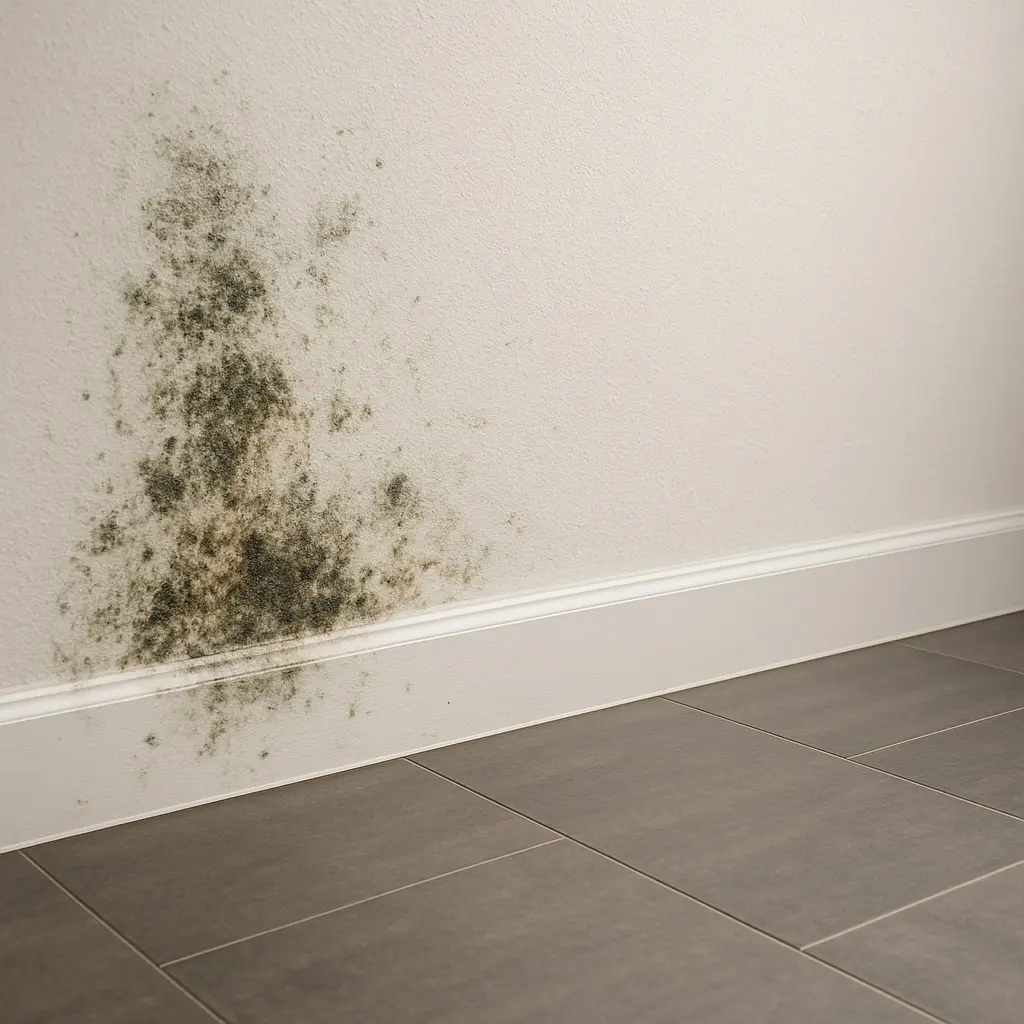
The Complete Guide to Mold Testing and Indoor Air Quality
Mold is a serious concern for Florida homeowners. Our subtropical climate—with its heat, humidity, and frequent rain—creates ideal conditions for mold growth. When mold takes hold in your home, it can damage your property, reduce your indoor air quality, and potentially affect your family's health.
This comprehensive guide explains everything you need to know about mold testing: how to recognize mold problems, when testing is necessary, what the testing process involves, how to interpret results, and what steps to take if mold is found.
Concerned about mold? Contact Total Leak Detection for professional mold testing and air quality assessment.
Table of Contents
- What To Do Immediately If You Discover Mold
- Understanding Mold in Florida Homes
- Signs You May Have a Mold Problem
- Mold Testing vs. Mold Inspection
- Types of Mold Testing
- The Mold Testing Process
- How Long Does Mold Testing Take?
- Understanding Test Results
- Mold Testing Costs
- Prevention and Remediation
- Related Articles
What To Do Immediately If You Discover Mold
Finding mold in your home can be alarming. Taking the correct initial steps is essential to protect your indoor air quality and prevent the mold spores from spreading to unaffected areas of the house.
- Do Not Disturb the Mold: Avoid touching, brushing, or blowing air on the mold colony. Agitating mold releases thousands of microscopic spores into the air, which can spread the infestation and trigger allergic reactions.
- Turn Off the HVAC System: If you find mold near air returns, vents, or suspect it might be in your ductwork, turn off your air conditioning immediately to stop spores from circulating throughout your home.
- Isolate the Area: Close doors to the affected room to contain the spores. If possible, cover air vents in that specific room with plastic sheeting and tape.
- Identify and Stop the Moisture Source: Mold cannot grow without moisture. If the mold is the result of an active plumbing leak, roof leak, or AC condensation overflow, stop the water source immediately.
- Schedule Professional Testing: Avoid using bleach or DIY mold test kits, which are often inaccurate. Contact a certified mold assessor to conduct proper air quality and surface testing to determine the exact species and severity.
Understanding Mold in Florida Homes
What Is Mold?
Mold is a type of fungus that grows in multicellular structures called hyphae. It reproduces by releasing microscopic spores into the air. These spores are everywhere—indoors and outdoors—but become problematic when they find moisture and suitable surfaces to colonize inside your home.
Why Florida Is a Mold Hotspot
Florida's climate is practically designed for mold growth:
- High humidity: Average humidity above 60% promotes mold
- Warm temperatures: Year-round warmth accelerates growth
- Frequent rain: Water intrusion opportunities are common
- Hurricane damage: Storm events cause widespread water damage
- Air conditioning: Creates condensation and moisture issues
- Older construction: Many homes lack modern moisture barriers
Common Types of Indoor Mold
Cladosporium: Often found on fabrics and wood surfaces Penicillium: Common on water-damaged materials Aspergillus: Found in dust and building materials Alternaria: Typically in damp areas like showers Stachybotrys (Black Mold): Grows on chronically wet materials
Health Concerns
Mold exposure can cause:
- Respiratory symptoms (coughing, wheezing)
- Nasal and sinus congestion
- Eye, throat, and skin irritation
- Allergic reactions
- Asthma aggravation
- More serious effects with prolonged exposure
Note: Health effects vary by individual sensitivity. Consult medical professionals for health concerns.
Signs You May Have a Mold Problem

Visual Indicators
What to look for:
- Visible mold growth (any color—black, green, white, gray, brown)
- Discoloration on walls, ceilings, or floors
- Water stains (often indicate hidden mold behind surfaces)
- Peeling or bubbling paint or wallpaper
- Warped or buckled building materials
Common locations:
- Bathrooms (around tubs, showers, toilets)
- Kitchens (under sinks, around dishwashers)
- Basements and crawl spaces
- Attics (especially near roof vents)
- Around windows and doors
- Behind furniture against exterior walls
- Inside closets
Odor Indicators
Mold produces musty, earthy smells from microbial volatile organic compounds (MVOCs). If you notice:
- Persistent musty odor
- Smell that's stronger in certain areas
- Odor that increases with humidity
- Smell that worsens when HVAC runs
These are strong indicators of hidden mold, even if you can't see it.
Physical Symptoms
Symptoms that worsen at home but improve when away may indicate mold:
- Respiratory issues
- Allergy-like symptoms
- Headaches
- Fatigue
- Eye or skin irritation
Water History
Previous water events increase mold likelihood:
- Past flooding or water damage
- Plumbing leaks (current or previous)
- Roof leaks
- Hurricane or storm damage
- High humidity problems
Related: Complete Guide to Leak Detection
Mold Testing vs. Mold Inspection
Understanding the difference helps you get the right service.
Mold Inspection
What it is: A visual examination of your property to identify mold growth, moisture sources, and conditions conducive to mold.
What it includes:
- Visual inspection of all accessible areas
- Moisture measurements
- Identification of water sources
- Documentation of findings
- Recommendations for next steps
When you need it:
- Buying or selling a home
- After water damage
- When you see or smell mold
- For routine property assessment
Mold Testing
What it is: Collection and laboratory analysis of samples to identify types and quantities of mold present.
What it includes:
- Air sampling and/or surface sampling
- Laboratory analysis
- Spore identification and count
- Comparison to outdoor baseline
- Written report of findings
When you need it:
- To confirm presence of mold
- To identify mold species
- For insurance or legal documentation
- Before and after remediation
- When mold is suspected but not visible
Which Do You Need?
| Situation | Inspection | Testing |
|---|---|---|
| Visible mold present | Yes | Optional (identifies type) |
| Musty smell, no visible mold | Yes | Yes (confirms presence) |
| After water damage | Yes | Recommended |
| Real estate transaction | Yes | Recommended |
| Health concerns | Yes | Yes (identifies allergens) |
| Post-remediation | Yes | Yes (confirms success) |
Learn more: How Mold Inspection Can Improve Your Indoor Air Quality
Types of Mold Testing
Air Sampling
How it works: A calibrated pump draws air through a collection device that captures airborne spores. Samples are analyzed in a laboratory.
Types of air testing:
- Spore trap samples: Capture spores on a sticky surface
- Culturable samples: Allow mold to grow for identification
- PCR testing: DNA-based identification
Best for:
- Detecting hidden mold
- Assessing overall air quality
- Comparing indoor vs. outdoor levels
- Identifying allergenic species
Surface Sampling
How it works: Samples are collected directly from suspected mold growth or surfaces.
Methods:
- Tape lift: Adhesive tape pressed against surface
- Swab samples: Cotton or synthetic swab rubbed on surface
- Bulk samples: Piece of material collected for analysis
Best for:
- Identifying specific mold types
- Confirming visual observations
- Testing building materials
- Post-remediation verification
Bulk/Material Sampling
How it works: Physical pieces of building materials are removed and sent to a laboratory.
Best for:
- Determining if materials are contaminated
- Assessing extent of mold penetration
- Making remediation decisions
Learn more: 7 Simple Steps To Do A Mold Test
The Mold Testing Process

What to Expect
1. Initial Consultation Discuss your concerns, symptoms, property history, and goals for testing.
2. Visual Inspection Comprehensive examination of the property looking for mold, moisture, and contributing conditions.
3. Moisture Assessment Using specialized meters to identify wet areas and potential problem spots.
4. Sample Collection Strategic collection of air and/or surface samples based on inspection findings.
5. Laboratory Analysis Samples are sent to an accredited laboratory for identification and quantification.
6. Report Delivery Detailed report explaining findings, including:
- Types of mold identified
- Spore counts and concentrations
- Comparison to outdoor baseline
- Assessment of findings
- Recommendations
Sample Collection Best Practices
For accurate results:
- Outdoor samples establish baseline for comparison
- Multiple indoor locations tested
- HVAC system considerations
- Proper chain of custody maintained
- Accredited laboratory analysis
How Long Does Mold Testing Take?
Understanding the mold testing timeline is crucial when you are dealing with a potential health hazard or a time-sensitive real estate transaction.
- On-Site Inspection and Sampling: The physical mold inspection and sample collection process at your property typically takes 1 to 2 hours, depending on the size of the home and the number of areas being tested.
- Laboratory Analysis: Once samples are collected, they must be sent to an accredited third-party laboratory for incubation and analysis. Standard lab turnaround time is usually 2 to 5 business days.
- Expedited Testing Options: If you are in an emergency situation or facing a strict closing deadline on a house, many professionals offer expedited lab processing that can return results in as little as 24 to 48 hours (usually for an additional fee).
- Final Report Delivery: You will typically receive your comprehensive assessment report, detailing spore counts, species identification, and remediation recommendations, within 24 hours after the lab results are finalized.
Understanding Test Results
Air Sample Interpretation
Key metrics:
- Spore counts: Number of spores per cubic meter of air
- Species identification: Types of mold present
- Indoor/outdoor comparison: Critical for interpretation
What numbers mean: There are no federal standards for acceptable mold levels. Interpretation considers:
- Indoor counts should generally be lower than outdoor
- Indoor species should reflect outdoor species
- Elevated counts of certain species are concerning
- Results must be interpreted in context
Red Flags in Results
Concerning findings include:
- Indoor counts significantly higher than outdoor
- Species present indoors not found outdoors
- Elevated Stachybotrys (black mold)
- High Aspergillus or Penicillium (water damage indicators)
- Chaetomium presence (indicates chronic moisture)
What Results Don't Tell You
Laboratory results alone don't reveal:
- Where the mold is located
- How extensive the problem is
- What's causing the moisture
- The best remediation approach
This is why testing should accompany inspection by experienced professionals.
Mold Testing Costs
Typical Price Ranges
Basic testing:
- Air sampling (2-3 samples): $200-$400
- Surface sampling (2-3 samples): $150-$300
- Combination testing: $300-$500
Comprehensive assessment:
- Full inspection + testing: $400-$700
- Large properties: $500-$1,000+
- Commercial properties: $700-$2,000+
Post-remediation verification:
- Clearance testing: $200-$400
Factors Affecting Cost
- Property size: Larger homes need more samples
- Number of samples: More samples = more lab fees
- Type of analysis: Standard vs. advanced testing
- Turnaround time: Rush results cost more
- Report detail: Basic findings vs. comprehensive assessment
Is Testing Worth It?
Consider the cost of NOT testing:
- Health effects from ongoing exposure
- Property damage from spreading mold
- Inadequate remediation due to unknown extent
- Insurance claim complications
- Real estate transaction issues
Prevention and Remediation

Preventing Mold Growth
Control moisture:
- Fix leaks immediately
- Maintain humidity below 60% (ideally 30-50%)
- Use exhaust fans in bathrooms and kitchens
- Ensure proper ventilation
- Address condensation issues
Regular maintenance:
- Inspect for leaks regularly
- Clean and maintain HVAC systems
- Check roof and windows for water intrusion
- Monitor basement/crawl space conditions
After water events:
- Dry affected areas within 24-48 hours
- Remove wet materials that can't be dried
- Use dehumidifiers and fans
- Consider professional assessment
When Mold Is Found
Small areas (less than 10 sq ft): May be suitable for DIY cleaning with proper precautions.
Larger areas or HVAC contamination: Professional mold remediation recommended.
Health concerns or sensitive individuals: Always seek professional help.
Post-Remediation Verification
After mold removal, testing confirms success:
- Air samples show normal levels
- Surface samples are clear
- Visual inspection confirms removal
- Moisture issues resolved
Learn more: What is a Post-Remediation Verification?
The Leak-Mold Connection
Most mold problems begin with water problems. Understanding this connection is essential.
How Leaks Lead to Mold
- Water intrusion creates moisture
- Moisture provides growth conditions
- 24-48 hours is enough for mold to start
- Hidden leaks create hidden mold
- Ongoing moisture allows mold to spread
Common Leak Sources Leading to Mold
- Slab leaks under foundations
- Pipe leaks inside walls
- Roof leaks in attics
- Window and door leaks
- HVAC condensation issues
- Shower pan failures
Addressing Both Problems
Effective mold remediation requires:
- Finding and fixing the water source
- Removing mold growth
- Drying affected areas
- Preventing recurrence
Related service: Professional Leak Detection
Related Articles
Explore more resources from our mold testing experts:
Mold Testing Basics
- 7 Simple Steps To Do A Mold Test
- How Mold Inspection Can Improve Your Indoor Air Quality
- What is a Post-Remediation Verification?
Related Topics
- Complete Guide to Leak Detection - Find water sources before mold grows
- The Importance of Professional Leak Detection
Protect Your Home and Health
Mold doesn't go away on its own—it grows. The sooner you identify and address mold problems, the easier and less expensive they are to resolve. Whether you're concerned about visible mold, mysterious odors, or just want peace of mind about your indoor air quality, professional mold testing provides answers.
Total Leak Detection provides comprehensive mold testing services throughout South Florida:
- ✅ Certified mold assessors
- ✅ Air quality and surface testing
- ✅ Accredited laboratory analysis
- ✅ Detailed reports with recommendations
- ✅ Post-remediation verification
- ✅ Licensed and insured (CFC1430460)
Don't breathe easy until you know for sure.
Schedule Your Mold Testing Appointment
Total Leak Detection – Florida's Trusted Mold Testing Experts Since 1980
Frequently Asked Questions
How quickly can mold grow after a water leak?
Mold can begin growing within 24 to 48 hours of water exposure, especially in Florida's warm and humid climate. Addressing water leaks immediately is the best way to prevent mold colonization.
What is the difference between a mold inspection and mold testing?
A mold inspection is a visual assessment by a professional to identify signs of mold and moisture sources. Mold testing involves taking air or surface samples and sending them to a laboratory to determine the exact type and concentration of mold spores present.
Is black mold dangerous?
Stachybotrys chartarum, commonly known as black mold, can produce mycotoxins that may cause severe allergic reactions, respiratory issues, and other health problems, particularly in sensitive individuals. Any significant mold growth should be treated seriously.
Can I test for mold myself?
While DIY mold testing kits are available, they are often less reliable than professional testing. They typically only confirm that mold is present (which is true for most environments) but fail to identify hidden mold sources or provide accurate spore counts compared to outdoor baselines.