How Long After Water Damage Does Mold Start Growing?
How Long After Water Damage Does Mold Start Growing?
When water damage strikes your home—whether from a burst pipe, a roof leak, flooding, or a hidden plumbing issue—the clock starts ticking immediately. Mold doesn't wait for you to clean up. It begins colonizing damp materials faster than most people realize, and in Florida's humid climate, the process accelerates dramatically.
Understanding the mold growth timeline helps you make smart decisions about cleanup, testing, and protecting your family's health.
The Mold Growth Timeline
Here's what happens after water intrusion:
Hours 1-24: Moisture Absorption
As soon as water contacts porous materials—drywall, wood, carpet, insulation—it begins absorbing into these surfaces. Even after standing water is removed, moisture remains trapped within building materials.
What you won't see: Mold spores are already present in your home (they're everywhere in the environment). They're dormant, waiting for the right conditions.
Hours 24-48: Germination Begins
This is the critical window. Given moisture, warmth, and organic material to feed on, dormant mold spores begin to germinate. The process is invisible at this stage—you won't see any visible mold yet.
Florida factor: Our warm temperatures (70-90°F is ideal for mold) and high humidity mean germination happens at the faster end of this range.
Days 3-12: Colony Formation
Mold colonies begin forming and spreading. You might start to notice:
- A musty odor
- Faint discoloration on walls or ceilings
- Dark spots in corners or hidden areas
At this stage, mold is actively releasing spores into your air, potentially affecting indoor air quality.
Days 12-21: Visible Growth
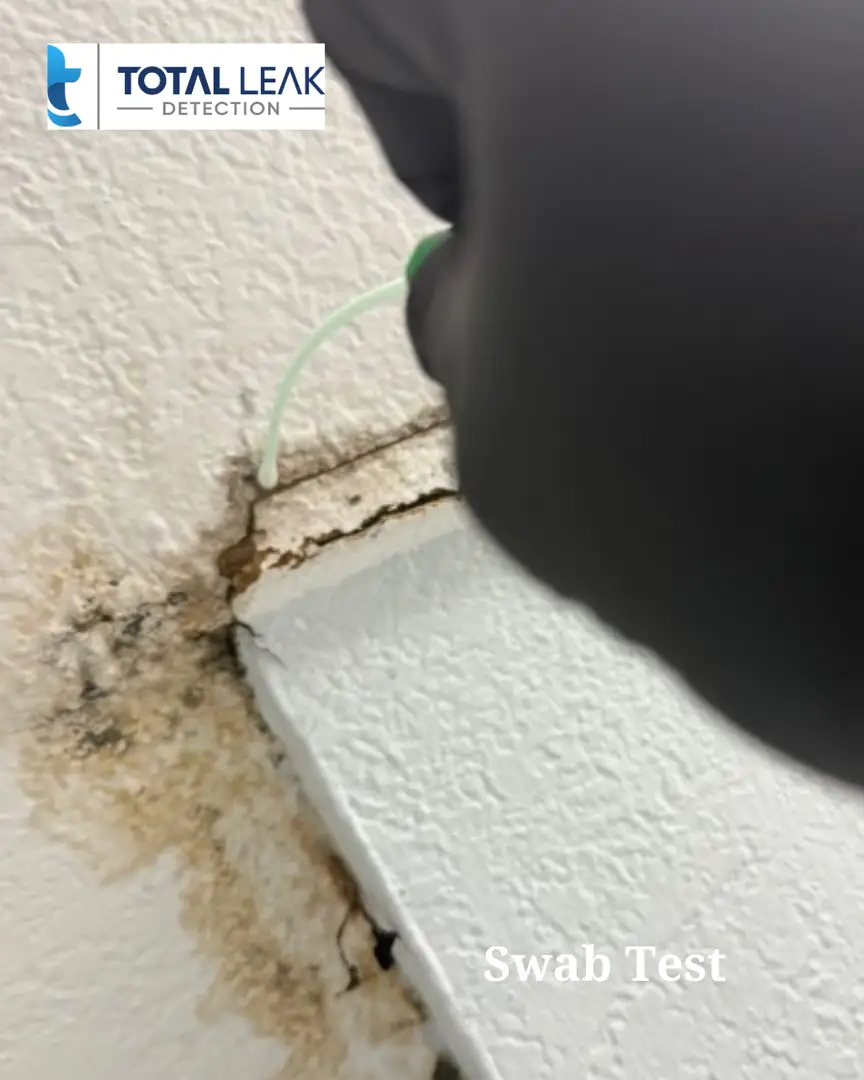
By now, mold growth is often visible to the naked eye. Colonies appear as fuzzy patches in various colors—black, green, white, or gray depending on the species.
Important: If you're seeing visible mold, the problem has been developing for at least 1-3 weeks. The affected area is likely larger than what's visible.
Week 3+: Established Infestation
Without intervention, mold continues spreading to new areas, penetrating deeper into materials, and releasing increasing amounts of spores. Structural damage becomes a concern as mold breaks down wood and other organic materials.
Why Mold Grows Faster in Florida
South Florida's climate creates near-perfect conditions for mold growth:
Year-Round Warmth
Mold grows best between 70-90°F. While northern states get a reprieve in winter when cold temperatures slow mold growth, Florida stays in the optimal growth range virtually all year.
High Humidity
Mold needs 60% or higher relative humidity to thrive. South Florida's average humidity hovers around 75-90%, meaning the moisture mold needs is already in the air—water damage just provides the trigger.
Frequent Rain
Regular afternoon thunderstorms, tropical storms, and hurricanes mean more opportunities for water intrusion. Roof leaks, window seepage, and flooding are common.
Air Conditioning Impact
While AC reduces indoor humidity, the temperature difference between cooled interiors and hot, humid exteriors creates condensation problems—especially around AC units, ductwork, and on cold water pipes.
Porous Building Materials
Drywall, common in Florida construction, is highly porous and provides excellent food for mold. Combined with the tight, energy-efficient construction of modern homes, moisture that gets in has difficulty escaping.
Factors That Speed Up or Slow Down Mold Growth
Mold Grows Faster When:
- Temperature is 70-90°F — Optimal growth range
- Humidity exceeds 60% — More moisture available
- Organic materials are wet — Drywall, wood, carpet, paper
- Air circulation is poor — Still air traps moisture
- The area is dark — Many molds prefer darkness
- Materials remain wet longer — Every hour counts
Mold Grows Slower When:
- Materials dry quickly — Within 24-48 hours ideally
- Air circulation is good — Fans and dehumidifiers help
- Humidity is controlled — Below 60%
- Non-porous surfaces are affected — Tile, glass, metal
- Quick cleanup occurs — Immediate response matters
The 24-48 Hour Window: Why Speed Matters
The EPA and mold remediation experts agree: the goal is to dry wet materials within 24-48 hours to prevent mold growth. After this window, you're no longer preventing mold—you're responding to it.
What Happens If You Miss the Window?
- Mold spores germinate and begin growing
- Hidden growth occurs inside walls, under flooring, in HVAC systems
- By the time you see mold, extensive hidden growth may exist
- Remediation becomes more complex and expensive
- Health risks increase as mold releases spores and mycotoxins
Why Many Homeowners Miss It
- Hidden water damage — Leaks behind walls or under slabs aren't discovered immediately
- Underestimating the problem — "It's just a small leak" mentality
- Incomplete drying — Surface looks dry but moisture remains inside materials
- Insurance delays — Waiting for adjusters while the clock ticks
- Not knowing the timeline — Assuming mold takes weeks or months to appear
Signs Mold May Have Started Growing
After water damage, watch for these indicators that mold growth has begun:
Within the First Week
- Musty, earthy odor—especially in the affected area
- Allergy-like symptoms when in the space (sneezing, itchy eyes, congestion)
- Damp smell that doesn't go away even after visible water is removed
After 1-2 Weeks
- Faint discoloration on walls, ceilings, or baseboards
- Peeling or bubbling paint
- Warping of wood materials
- Visible moisture or condensation returning after cleaning
After 2+ Weeks
- Visible mold growth (fuzzy patches, dark spots)
- Persistent musty odor throughout the home
- Respiratory symptoms worsening in household members
- Structural materials feeling soft or deteriorated
What to Do Immediately After Water Damage
Step 1: Stop the Water Source
If possible, identify and stop the source of water. Turn off the main water supply if you suspect a plumbing leak.
Step 2: Remove Standing Water
Use mops, wet vacuums, or pumps to remove standing water as quickly as possible. The faster you extract water, the less time materials have to absorb it.
Step 3: Increase Air Circulation
- Open windows (if outdoor humidity is lower than indoor)
- Run fans to circulate air over wet surfaces
- Turn on your HVAC system in "fan" mode to keep air moving
Step 4: Use Dehumidifiers
In Florida's humid climate, you can't rely on air circulation alone. Dehumidifiers actively remove moisture from the air, speeding the drying process.
Step 5: Document Everything
Take photos and videos of all damage for insurance purposes. Note the date and time water damage was discovered.
Step 6: Assess the Scope
Determine how widespread the damage is. Water travels—what starts as a small leak can spread throughout wall cavities, under flooring, and into areas you can't see.
Step 7: Call a Professional
If the affected area is larger than about 10 square feet, or if water has been present for more than 24 hours, professional assessment is strongly recommended.
When to Get Professional Mold Assessment
Don't wait until you see visible mold to call for help. Consider professional mold testing and inspection when:
- Water damage occurred more than 48 hours ago — Mold growth is likely beginning
- You smell musty odors — Even without visible mold
- Anyone in your household has allergies or respiratory conditions — They're more vulnerable to mold exposure
- Water damage was extensive — Large areas or multiple rooms affected
- You can't determine how long the area was wet — Hidden leaks may have been active for weeks
- The water source was contaminated — Sewage backup, floodwater
- You're buying or selling a home — After any history of water damage
Professional assessment determines whether mold is present, identifies the extent of growth (including hidden mold), and provides guidance on the appropriate response.
Protecting Your Health and Home
Mold isn't just a property problem—it's a health concern. Mold exposure can cause:
- Allergic reactions (sneezing, runny nose, itchy eyes)
- Respiratory issues (coughing, wheezing, difficulty breathing)
- Skin irritation
- Headaches and fatigue
- In severe cases, more serious health effects
People with asthma, allergies, compromised immune systems, and young children are particularly vulnerable.
Acting quickly after water damage isn't just about protecting your property—it's about protecting your family's health.
Get Expert Assessment When It Matters
At Total Leak Detection, we understand the urgency of water damage situations. Our mold testing services help you understand exactly what you're dealing with after water intrusion—whether mold has started growing, where it's located, and how extensive the problem is.
If you've experienced water damage—even if you've cleaned up the visible water—professional assessment can give you peace of mind or catch problems before they become serious.
📞 Call Today: (855) 385-5325
🌐 Learn More: totalleakdetection.com
Frequently Asked Questions
Can mold grow in 24 hours?
Mold spores can begin germinating within 24 hours given the right conditions. Visible colony formation takes longer (typically 3-12 days), but the growth process starts immediately. In Florida's climate, this timeline is often accelerated.
Can I prevent mold if I dry everything within 48 hours?
Drying materials within 24-48 hours significantly reduces mold risk, but doesn't eliminate it entirely—especially in Florida's humid environment. Professional-grade drying equipment is more effective than household fans alone.
Does mold always grow after water damage?
Not always, but the odds are high in Florida. If materials stay wet beyond 48 hours, some degree of mold growth is likely. Even if you don't see mold, it may be growing inside walls or other hidden areas.
What if I see mold but it's only a small spot?
Visible mold is typically just the tip of the iceberg. By the time mold is visible, growth has been occurring for at least 1-3 weeks, and hidden mold behind the visible surface is common. Professional assessment can determine the true extent.
Is the musty smell always mold?
A musty odor after water damage is a strong indicator of mold growth, even if you can't see any. If you smell mold, it's worth having the area professionally assessed.
Related Resources
- Mold Inspection and Indoor Air Quality - How testing improves your home environment
- 7 Simple Steps to Do a Mold Test - Understanding the testing process
- Signs You Have a Hidden Water Leak - Catching leaks before mold starts
- Leak Detection Services - Find water damage sources