How Soon After Water Damage Should You Test for Mold?
How Soon After Water Damage Should You Test for Mold?
Mold can begin growing within 24–48 hours of water damage. Testing is often recommended once the area is dry or nearly dry—within a few days to a week—to confirm whether mold is present and to what extent. Knowing the right timing helps you schedule testing when it is most useful.
Why Timing Matters
Mold spores are present in most environments and can begin growing when moisture and organic material are available. After water damage, the clock starts quickly: mold can start growing within 24–48 hours. Testing too soon—while the area is still wet—may not give a clear picture of whether mold has become established, and wet conditions can affect sample quality. Testing once the area is dry or nearly dry—typically within a few days to a week after the incident—allows time for any growth to develop and for drying to be underway, so results are more meaningful. Testing at that point can confirm whether mold is present, where it is, and to what extent, and can guide cleanup and remediation.

Professional mold testing can guide cleanup and remediation. If you had water damage mold or hidden mold concerns, schedule testing once the area is dry or nearly dry so you know what you are dealing with and can plan next steps.
Testing Too Early vs. Too Late
Testing while the area is still soaking wet can give misleading results—spore counts may be affected by the moisture, and mold may not have had time to establish. Waiting too long—months after the damage—can allow mold to spread and make remediation more costly. The sweet spot is usually a few days to a week after the incident, once drying has started or been completed. If you had professional water restoration, ask when they recommend testing. Professional mold testing can advise on timing based on your situation so you get meaningful results and can act on them promptly.
Fix the Leak First
Before or alongside mold testing, make sure the moisture source is addressed. A leak—whether from plumbing, the roof, windows, or appliances—must be fixed or the conditions that caused water damage will continue, and mold will return even after remediation. If you are unsure where the water came from, professional leak detection can locate the source. Fixing the leak, drying the area, and then testing gives you the clearest picture and sets up successful remediation if mold is found.
What to Expect During the Test
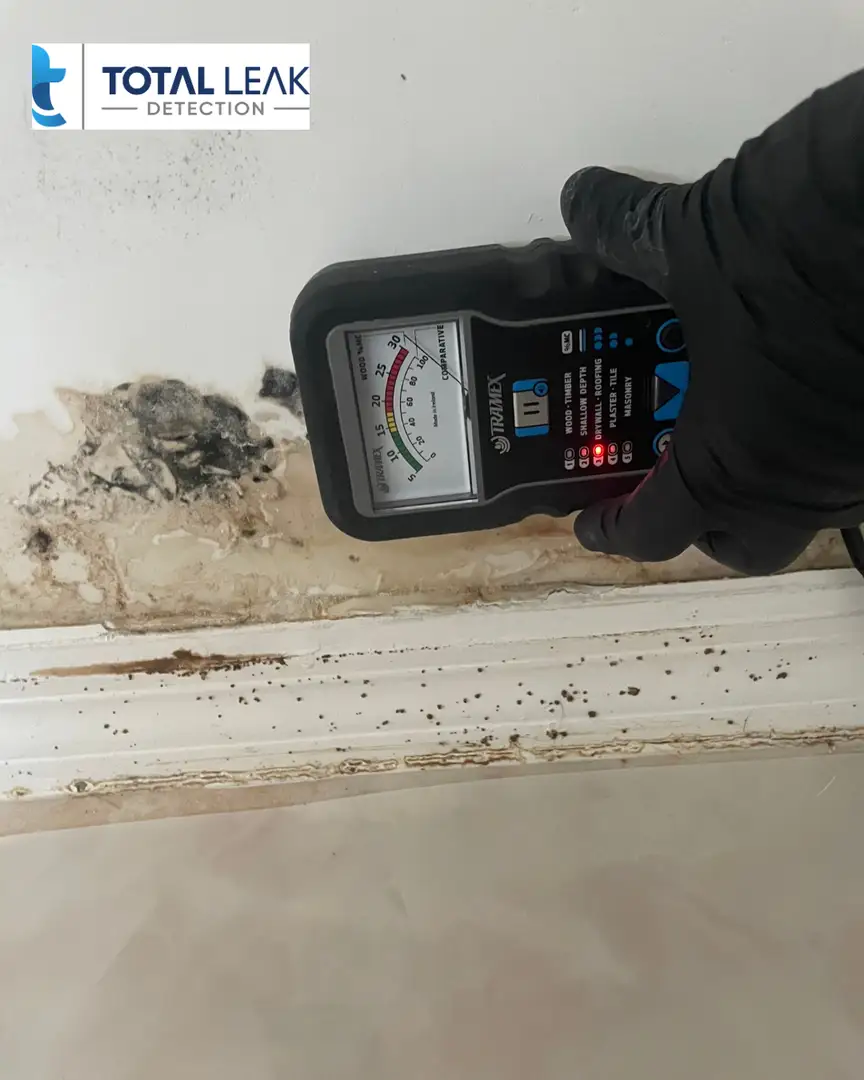
A mold assessor will typically do a visual inspection, check moisture levels with meters or thermal imaging, and take air samples (and sometimes surface or bulk samples) for lab analysis. The lab report, usually available within a few days, will list species and spore counts so you know what you are dealing with. If mold is found, the assessor can recommend remediation scope and moisture fixes. For a full overview of how testing works and when each method is used, see our complete guide to mold testing.
Florida's Climate: Why Timing Is Critical
In Florida, high humidity and warm temperatures create ideal conditions for mold growth year-round. What might take a week to become a visible problem in a drier climate can happen in just a few days here. After water damage—whether from a burst pipe, appliance leak, hurricane flooding, or roof leak—the combination of moisture and Florida's ambient humidity accelerates mold colonization. That makes prompt drying and timely testing even more important. If you experienced water damage and are unsure whether mold has started growing, scheduling professional mold testing within the first week after the area is dried gives you the best chance of catching problems early and keeping remediation costs down.
Insurance Considerations
If you plan to file an insurance claim for water damage, document everything from the start: photos, dates, and any restoration work. Some insurers require mold testing or post-remediation clearance reports before approving claims or reimbursements. Ask your adjuster what documentation is needed and by when. Scheduling professional mold testing early in the process—once the area is dry—provides documentation that can support your claim and demonstrates that you took appropriate steps to mitigate damage. A clear lab report showing species and spore counts can help avoid disputes about the extent of mold growth or the need for remediation.
Summary
Mold can begin growing within 24–48 hours of water damage. Testing is often recommended once the area is dry or nearly dry—typically within a few days to a week—to confirm whether mold is present and to guide cleanup. Schedule professional mold testing at that point so you can plan remediation if needed. For more on testing timing and methods, see our guide to mold testing.
Frequently Asked Questions
- How soon after water damage should you test for mold?
- Mold can begin growing within 24–48 hours of water damage. Testing is often recommended once the area is dry or nearly dry—typically within a few days to a week after the incident—to confirm whether mold is present and to what extent. Professional mold testing can guide cleanup and remediation.