Is Professional Leak Detection Worth the Cost?
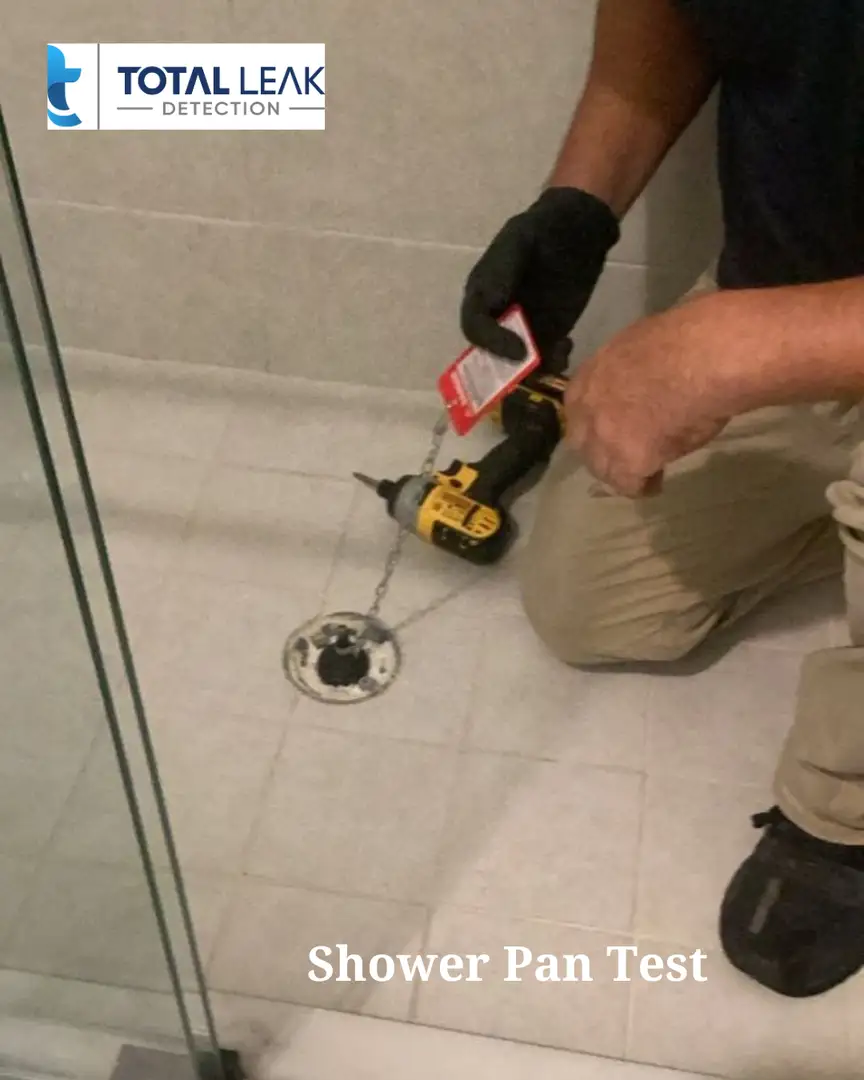
Professional leak detection is usually worth the cost when you have signs of a hidden leak but can’t see the source. The value isn’t just “finding a leak”—it’s avoiding the most expensive part of many leak repairs: trial-and-error demolition and the secondary damage that happens while you wait.
If you’re deciding whether to schedule detection, think of it as paying for certainty: one targeted opening, one targeted repair, and a cleaner path for your plumber (and potentially your insurer) to follow.
Quick answer: when it pays off
Professional leak detection tends to pay for itself when:
- You have high water bills, but no visible leak
- You hear water running or dripping when nothing is on
- You suspect a slab leak or a leak behind walls/ceilings
- The leak is intermittent and hard to catch
- You’ve already paid for a repair and symptoms came back
- You need clarity before a renovation, sale, or insurance claim

If you can already see the leak (for example, a dripping compression fitting under a sink), you may not need detection first—you may need a straightforward repair.
What you get for the fee (and what you should ask for)
A professional leak detection visit typically includes:
- Symptom review (bills, meter behavior, where you see staining, odors, warm spots)
- Non-invasive testing to narrow the zone (moisture mapping, thermal imaging, acoustic listening, line tracing)
- A clear conclusion: where the leak most likely is and what line it’s on (hot, cold, recirculation, drain, sewer, irrigation)
- A mark-out (marking the location on the floor/wall) and/or written findings
When you schedule, ask these two questions up front:
- Will I get a mark-out or written report?
- Will you confirm whether it appears active right now?
If you need help fast, start here: Leak detection services.
The real comparison: total cost, not just the detection fee
It’s easy to compare:
- Option A: Skip detection → open wall/floor “where it makes sense,” repeat if wrong
- Option B: Detect first → open one small area where evidence points, then repair
Option A often turns into multiple costs:
- Labor for multiple openings
- Drywall/flooring repair and repainting
- Delays while damage spreads (mold risk, swelling/warping, staining)
- A second visit when the first repair didn’t fix the real leak
Detection is most valuable in high-risk scenarios like a suspected slab leak or behind-wall pipe failure where “guess and cut” can get expensive fast.
What affects pricing (so you can get an accurate quote)
Most companies price leak detection based on complexity, not a per-minute stopwatch. Common factors include:
- How many areas you want checked (one room vs. whole home)
- Whether the issue looks like a supply leak vs. drain/sewer issue
- Slab/buried lines vs. exposed plumbing
- Whether the leak is intermittent (may require more testing)
- Access constraints (cleanouts, shutoffs, finishes, furniture)
Even without quoting numbers here, the key principle holds: detection should reduce the number of openings and the amount of finish work you have to repair.
How to get the most value from your appointment
Before the technician arrives:
- Take a photo of your most recent water bill(s) (showing the spike)
- Do a simple meter test if you can: with everything off, see if the meter still moves
- Note where symptoms appear (warm spot, stain, odor, bubbling paint)
- If safe, identify your main shutoff so you can act quickly if needed
If you’re in a gray area—visible moisture but unclear source—detection can still prevent the “open three spots” scenario.
Bottom line
Professional leak detection is usually worth it because it reduces guesswork, limits property damage, and helps your plumber make one targeted repair instead of multiple exploratory openings. If you have hidden-leak symptoms (bills, sounds, warm/damp spots, staining), schedule detection first—then repair with confidence.
Frequently Asked Questions
- Is professional leak detection worth the cost?
- In most cases, yes—especially when the leak is hidden. Paying to pinpoint the exact location often costs less than opening multiple walls, jackhammering the wrong spot, or letting water damage spread.
- What does a leak detection service usually include?
- A non-invasive inspection using tools like acoustic listening, thermal imaging, moisture mapping, and line tracing—plus a clear “mark-out” or written finding showing where the leak is and what type of line it’s on.
- How much does professional leak detection typically cost?
- Pricing varies by region and complexity, but it’s usually a flat diagnostic fee or a scope-based price. The important comparison is total cost—detection plus one targeted repair vs. multiple exploratory openings and repairs.
- When is leak detection not necessary?
- If the leak is visible and accessible—like a dripping shutoff valve under a sink—repair is often the first step. Detection is most valuable when the source is hidden (slab, wall, ceiling, buried line) or intermittent.
- Can leak detection help with insurance documentation?
- Often, yes. A documented leak location and cause can support a claim and help you get accurate repair estimates, especially for hidden leaks like slab or behind-wall pipe failures.