Leak Detection vs Trial-and-Error Plumbing: What's the Difference?
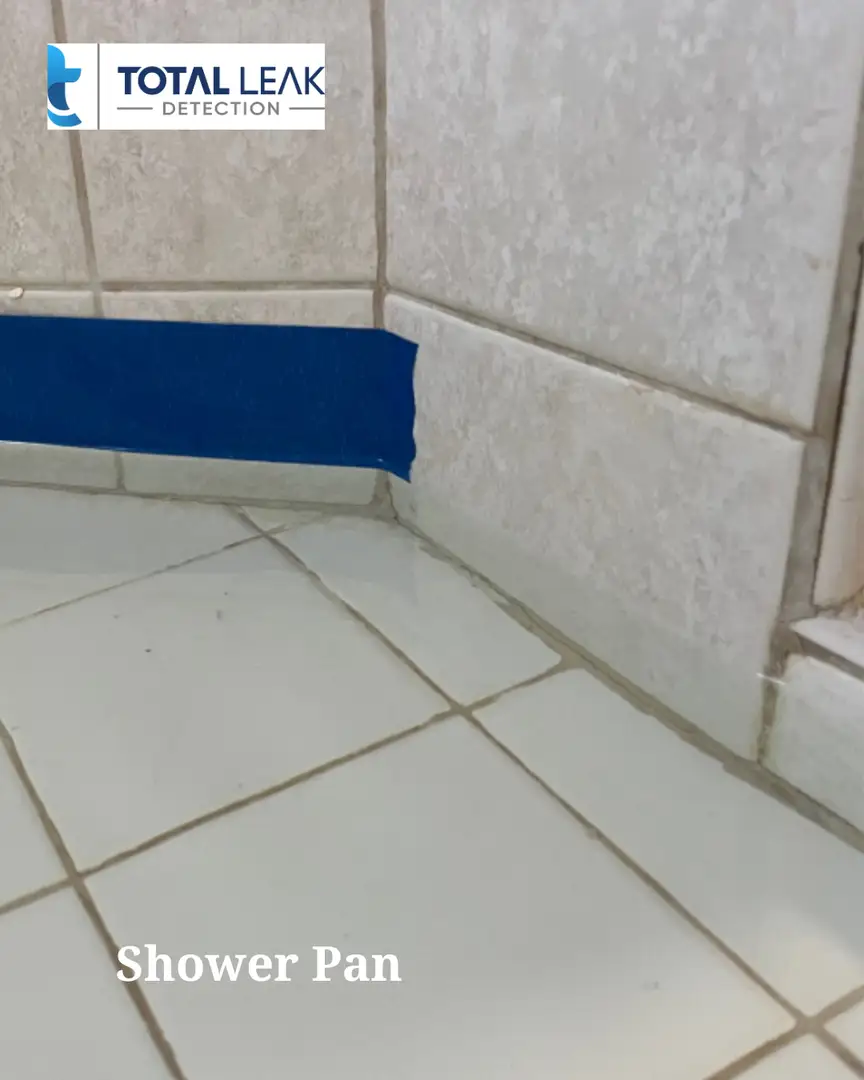
When a leak is visible and accessible, a plumber can usually repair it quickly. The problem is the common scenario where you know you have a leak, but you can’t see where it’s coming from. That’s where the approach matters:
- Leak detection: locate the leak first, then repair one targeted spot.
- Trial-and-error plumbing: open a likely spot, hope it’s there, repeat if it isn’t.
The difference is usually measured in how many openings you pay for and how much finish work you have to restore after the repair.
How Leak Detection Works
Professional leak detection focuses on locating the leak first. Technicians use acoustic listening devices to hear water escaping from pipes, thermal imaging to spot temperature changes caused by moisture, and electronic pipe tracing to map lines and pinpoint leaks. The goal is to identify the exact spot—often without opening a single wall or section of slab. Once the location is known, repairs can be limited to that area.

This approach reduces guesswork and limits damage. For slab leak or pipe burst situations, locating the leak first leads to a targeted repair instead of multiple exploratory cuts. Professional leak detection is the right first step when you suspect a hidden leak but do not know where it is.
How Trial-and-Error Plumbing Differs
Trial-and-error plumbing typically means opening walls or floors in the most likely spots (near fixtures, along a pipe run, below a stain) and looking for the leak. If the first opening is wrong, the process repeats.
It can be appropriate when:
- The leak is likely very close to the visible symptom and access is easy
- Finishes are already open (during renovation)
- The leak is large and clearly isolated to a small zone
But when the leak is hidden under a slab or behind multiple possible walls, trial-and-error can quickly become the most expensive part of the job.
Choosing detection first avoids that cycle. Schedule an inspection instead of guessing; once the leak is located, your plumber can make a single, targeted repair.
When to Choose Detection First
Choose leak detection first when:
- Your water bill increased and you can’t find a visible leak
- Your meter moves with everything off
- You suspect a slab leak
- You have ceiling/wall staining but multiple possible sources
- The leak is intermittent
- You want a documented location before an insurance claim, sale, or major repair
If your situation is “we know it’s leaking, but we don’t know where,” detection is usually the more controlled starting point.
The Real Cost of Trial and Error
Trial-and-error repair can seem cheaper at first—skip the detection fee and let the plumber "find it." In practice, the first cut often does not reveal the leak. The plumber may open a second or third area, and each opening means more labor, drywall or flooring repair, and rework. For slab leaks, exploratory jackhammering can remove large sections of concrete before the leak is found. By the time the source is located, the total cost of multiple openings and repairs can exceed the cost of one leak detection visit plus one targeted repair. Detection also gives you a written record of the leak location, which is useful for insurance, real estate, or future reference.
Side-by-side: what you’re paying for
| Factor | Leak detection first | Trial-and-error plumbing |
|---|---|---|
| Openings in finishes | Usually 1 targeted opening | Often multiple openings |
| Time to certainty | Faster path to a confirmed location | Depends on luck/experience |
| Best for slab/buried lines | Yes | High disruption risk |
| Documentation | Often includes mark-out/report | Usually no formal location report |
| Total cost predictability | Higher | Lower (cost can balloon) |
What You Get in a Leak Detection Report
A professional leak detection report typically includes the leak location—often with a distance from a reference point such as a cleanout or fixture—and whether the leak is active. That information lets your plumber open one small area and make the repair. For slab leak or pipe burst claims, the report can support your insurance claim by documenting the cause and location. When selling a home, having had detection and repair shows you addressed the issue with a documented fix. Ask when you schedule whether a written report is included and when you will receive it.
Bottom line
If the leak is visible, repair it. If the leak is hidden, locate it before you cut. Leak detection doesn’t replace plumbing—it makes plumbing repairs faster, more targeted, and less destructive.
Frequently Asked Questions
- What is “trial-and-error” plumbing for leaks?
- It’s when a repair starts with a best-guess opening (wall, ceiling, slab) to look for the leak—then repeats if the first opening is wrong. It can work, but it often increases total cost and damage.
- When should I choose leak detection first?
- Choose detection when the leak source is hidden (slab, behind walls, ceilings, buried lines), when the leak is intermittent, or when you want to avoid unnecessary demolition and finish repairs.
- Is leak detection still useful if I already know the general area?
- Yes. Even if you suspect a bathroom or a wall, detection can pinpoint the exact spot so the plumber opens one small access area instead of multiple.
- Does leak detection fix the leak?
- Leak detection is diagnostic—it locates the leak. After detection, a plumber or repair team performs the repair based on the marked location.
- Can leak detection help with insurance or documentation?
- Often, yes. A documented location and cause can help support repair scope, especially for hidden leaks like slab or behind-wall failures.