Mold Testing vs Mold Remediation: What's the Difference?
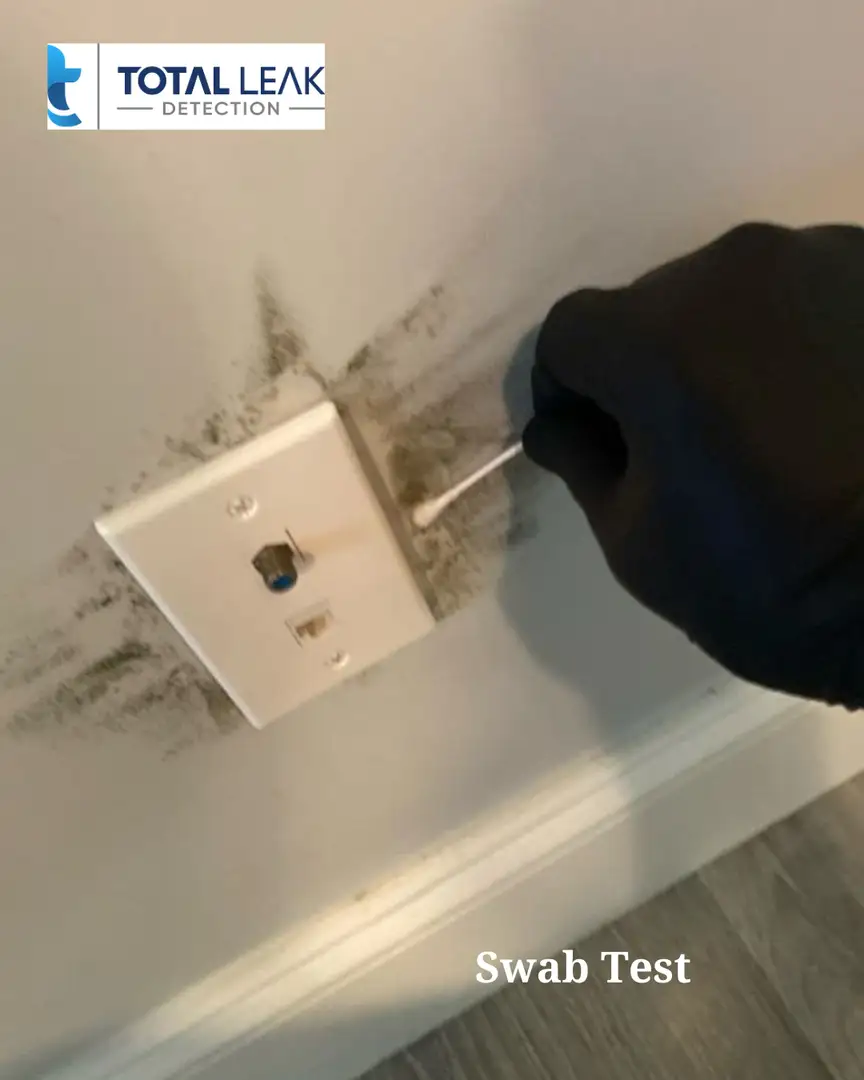
Mold problems are easiest (and least expensive) to solve when you separate the process into two clear steps:
- Mold testing: figure out what’s going on and document it.
- Mold remediation: fix what’s going on—remove/contain impacted materials and correct the moisture conditions that caused it.
People often use “mold inspection,” “mold testing,” and “mold remediation” interchangeably, which leads to confusion, missed steps, and arguments about scope. This guide breaks down what each service does, when you need it, and how to use the results to get a targeted, durable fix.
What Mold Testing Does
Mold testing answers the question: is there mold, and where? A professional collects air samples, surface samples (swabs, tape lifts), or bulk samples (pieces of material) and sends them to a lab for analysis. The results show spore counts, types of mold, and often where the problem is concentrated. Testing can confirm visible mold, find hidden mold behind walls or in HVAC systems, or establish a baseline before or after remediation. It does not remove mold; it identifies it so you and your remediator know what you are dealing with.

Professional mold testing can guide water damage mold and hidden mold cleanup. Schedule testing before remediation so you know what you are dealing with. Once you have the results, a remediator can remove or contain the mold and fix the moisture source; post-remediation testing can confirm the cleanup was successful.
What “testing” typically includes (beyond samples)
Most high-quality mold testing isn’t just “take an air sample and leave.” A thorough assessment typically includes:
- A visual inspection of areas tied to moisture (bathrooms, kitchens, HVAC, exterior-facing walls)
- Moisture mapping (using meters/thermal tools) to identify damp building materials
- A sampling plan: which rooms, how many samples, and why those spots matter
- A clear report that answers:
- Where mold conditions are most likely present
- Whether conditions suggest a localized issue or broader humidity/HVAC involvement
- What the next step should be (repair moisture source, remediation, or monitoring)
Testing is especially valuable when mold is suspected but not visible, or when symptoms (odor, irritation, recurring staining) point to moisture you can’t access easily.
What Mold Remediation Does
Remediation is the “fix” step. A remediation plan typically focuses on:
- Containment: preventing cross-contamination while work is happening
- Removal and cleaning: HEPA vacuuming, cleaning, and (when needed) removing impacted porous materials like drywall, insulation, carpet padding, or baseboards
- Drying and dehumidification: bringing moisture levels back to normal so mold can’t keep growing
- Source correction: fixing the cause (leak repair, drainage correction, ventilation upgrades, HVAC issues, humidity control)
If remediation happens without solving the moisture source, the mold often returns—sometimes in the same place, sometimes in a nearby cavity.
Do you always need testing before remediation?
Not always. Here’s a practical way to decide:
Testing is usually worth it when…
- The affected area is unclear (odor but no visible mold, staining without a source)
- You suspect hidden mold (behind walls, under flooring, in HVAC)
- You need documentation (insurance, real estate, landlord/tenant situations)
- Multiple parties will bid the job and you want a consistent scope
- You want an independent, defensible baseline before spending on remediation
Remediation may come first when…
- There is obvious visible mold from a known event and the affected area is clearly defined
- A small, contained area can be removed quickly while the moisture source is actively being repaired
- Safety and access issues mean waiting would worsen conditions
Even in “remediation first” scenarios, post-remediation verification can still be valuable so you know it was done correctly before you rebuild or repaint.
Can the Same Company Do Both?
In many regions, the same company is not allowed to do both testing and remediation for the same job—to avoid conflict of interest. Testing is done by a licensed mold assessor; remediation is done by a licensed remediator. You may use one company for testing and another for remediation, or a company that offers only one of the two. The key is to get testing first so remediation is based on a clear picture of what is present and where.
If you’re unsure about rules where you live, treat this as a best practice: independent testing creates cleaner documentation and reduces the risk that you’re being upsold into unnecessary work.
When to Schedule Testing and Remediation
Schedule professional mold testing when you notice odor, visible mold, or past water damage so you have a clear assessment before hiring a remediator. After remediation, schedule post-remediation clearance testing to confirm the area is clean—many insurers and remediators require it. Doing testing first ensures remediation is targeted and that you have documentation for insurance or real estate; doing clearance after ensures the job is complete and the space is safe for reoccupation.
Common timelines (so you can plan)
A typical sequence looks like this:
- Testing/inspection to define the problem
- Repair the moisture source (or at least stop active water intrusion)
- Remediation based on scope
- Clearance testing (post-remediation verification)
- Rebuild (drywall, paint, flooring) once conditions are confirmed
This order prevents the classic mistake of rebuilding too early and trapping moisture behind new finishes.
What results mean (in plain language)
Mold results can feel technical. What matters most for decision-making is:
- Where the issue is concentrated (one room vs. multiple zones)
- Whether conditions suggest a hidden cavity problem (behind wall/floor)
- Whether there’s an ongoing moisture driver (leak, condensation, humidity)
Testing doesn’t need to label mold as “toxic” to be useful. The actionable outcome is a clear, defendable scope and a plan to fix moisture so the problem doesn’t recur.
What to ask before you hire anyone
Questions for a mold tester
- What sampling methods will you use (air/surface/bulk), and why?
- Will you perform moisture mapping or thermal checks?
- What does your report include (photos, sample locations, interpretation, recommendations)?
- How fast is lab turnaround, and do you offer expedited options?
Questions for a remediator
- What containment and filtration do you use?
- Which materials will be removed vs. cleaned, and how will you decide?
- What needs to happen with the moisture source before/while you remediate?
- Do you coordinate with post-remediation verification?
Bottom line
Mold testing and mold remediation are related but different services. Testing is the diagnostic step that identifies and documents the problem; remediation is the corrective step that removes/contains mold and fixes moisture conditions. When the scope is uncertain—or documentation matters—start with professional mold testing, then remediate with confidence, and confirm success with clearance testing.
Frequently Asked Questions
- What is the difference between mold testing and mold remediation?
- Mold testing is diagnostic—it identifies whether mold conditions exist, where the issue is likely concentrated, and documents findings. Mold remediation is corrective—it removes or contains mold-impacted materials and addresses the moisture source so growth doesn’t return.
- Should I get mold testing before remediation?
- Often, yes—especially when mold is hidden, the affected area is unclear, or you need documentation for a real estate transaction or insurance. Testing helps define scope so remediation is targeted.
- Does mold testing remove mold?
- No. Testing collects samples and measurements; it doesn’t remove mold. If mold is confirmed, remediation (and fixing the moisture source) is the step that resolves the problem.
- What is mold clearance testing?
- Clearance testing (often called post-remediation verification) is performed after remediation to confirm conditions are back to normal and the remediation work was effective before rebuilding or re-occupying the space.
- Can the same company do both testing and remediation?
- In some areas this is restricted to avoid conflicts of interest. Even where allowed, many homeowners prefer an independent tester for unbiased results and clearer documentation.