Sewer Inspections Before Buying a Home: What to Know
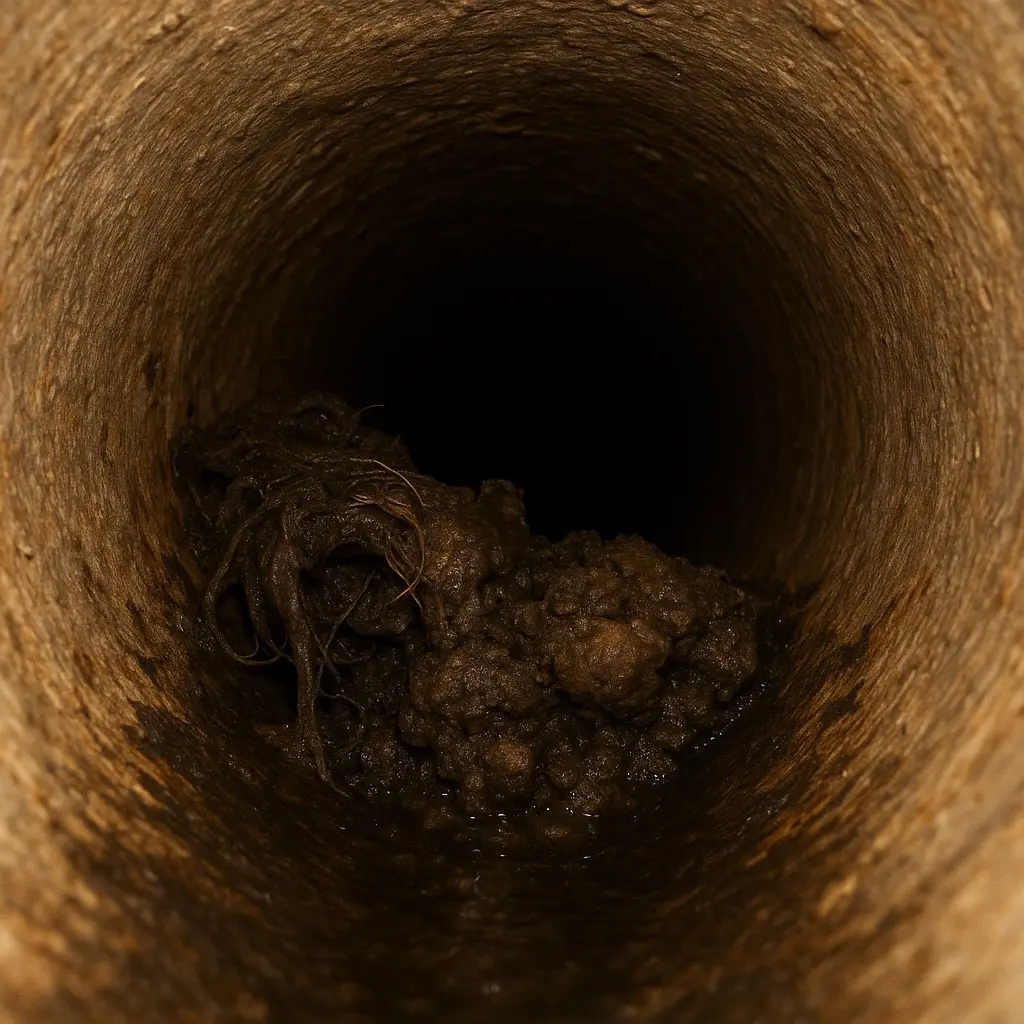
Buying a home without seeing the sewer line is a bit like buying a car without looking under it. Everything can seem fine during a quick test—until the first backup or persistent drain problem shows up after you move in.
A sewer camera inspection before buying a home can reveal root intrusion, pipe collapse, or sewer blockage that a standard home inspection often doesn’t cover. It’s one of the most cost-effective ways to prevent an ugly surprise after closing, especially in older neighborhoods or properties with large trees.
Why a Sewer Inspection Before Buying Matters
A standard home inspection typically does not include a camera inspection of the main sewer line. The inspector may run water and check for visible leaks, but they do not feed a camera through the pipe to see cracks, roots, or collapse. Hidden defects in the main line can cause backups, odors, and costly repairs after you move in. A pre-purchase sewer camera inspection shows the condition of the main line from the cleanout to the street—or as far as the camera can travel—so you know whether root intrusion, pipe collapse, or sewer blockage is present. With that information, you can negotiate with the seller, request repairs, or budget for repair after closing. Schedule the inspection during the due diligence period so you have time to review results and decide before closing.

Professional sewer camera inspection gives you a clear picture of the main line before closing. Schedule an inspection during the due diligence period so you know what you are buying and can plan accordingly.
When a sewer inspection is especially important
Consider a camera inspection a high priority when:
- The home is older (pipe materials and joints degrade over time)
- There are large trees or mature landscaping near the sewer path
- The property has a history of slow drains, gurgling, or prior backups
- The home sat vacant (lines can dry out, settle, or reveal issues during re-occupancy)
- You plan to renovate (you don’t want to discover sewer issues mid-project)
Even newer homes can have issues—construction debris, improper slope, or crushed sections from heavy equipment—so “new build” doesn’t guarantee a perfect sewer line.
Who Pays and When to Schedule
Sewer camera inspections are often paid for by the buyer as part of due diligence, similar to a home inspection—though you can sometimes negotiate with the seller to share or cover the cost. Schedule the inspection as early in the due diligence period as possible so you have time to review the report or video, get repair quotes if needed, and negotiate or walk away before the deadline. The inspector will need access to the cleanout (usually in the yard or basement); confirm with your agent or the seller that access is available. If the report shows root intrusion, pipe collapse, or major sewer blockage, you can use it to request repairs, a credit, or a price reduction, or to budget for repair after closing.
What the camera can reveal (and how to interpret it)
Camera inspections often reveal conditions that fall into three broad buckets:
1) Maintenance issues (cleaning may solve)
- Grease buildup
- Soap/scum accumulation
- Minor debris
These may be handled with cleaning (snaking or hydro jetting) if the pipe structure is sound.
2) Recurring-problem issues (cleaning helps, but a defect remains)
- Root intrusion at joints
- Offset joints where sections shifted
- Bellies (sags) that hold water and catch debris
These can cause repeated clogs/backups even after cleaning. They may require repair, lining, or long-term maintenance planning.
3) Repair-now issues (don’t ignore)
- Cracks with active infiltration
- Separated joints or broken sections
- Pipe collapse or severely deformed pipe
These often require repair or replacement. The “right” decision depends on severity, location, and access.
Questions to ask when you receive results
Don’t just accept “it needs work.” Ask:
- Where is the defect (distance from cleanout / approximate yard location)?
- Is it a blockage that can be cleaned, or a structural defect?
- How far did the camera go—did it reach the city connection?
- Are there multiple problem areas or one primary defect?
- What’s the recommended next step: clean, repair, line, or replace?
If you need estimates, having a distance measurement and a clear description makes bids more accurate.
Negotiation strategies (how buyers use sewer findings)
If the line is compromised, you typically have a few options:
- Request seller repair (done by a qualified contractor, with documentation)
- Request a credit (you choose the contractor after closing)
- Negotiate price to reflect the expected repair cost and risk
- Walk away if the defect is severe and the deal no longer makes sense
Your agent can guide negotiation, but the camera video/report provides the evidence that supports your ask.
Bottom line
A sewer camera inspection before buying can reveal defects a standard inspection misses. Schedule it early in due diligence, confirm cleanout access, and use the findings to negotiate fairly—or to avoid inheriting an expensive sewer problem right after closing.
A sewer camera inspection before buying can reveal root intrusion, pipe collapse, or blockages that a standard home inspection does not cover. Schedule during the due diligence period so you can negotiate or plan for repairs before closing.
Frequently Asked Questions
- Is a sewer camera inspection part of a standard home inspection?
- Usually not. Most standard home inspections don’t include a camera run through the main sewer line, which is why buyers order it separately during due diligence.
- When should I schedule a sewer inspection during a home purchase?
- Schedule as early as possible in the inspection/due diligence window so you have time to review footage, get repair estimates if needed, and negotiate before deadlines.
- What are common sewer defects found before buying?
- Root intrusion, cracks, offset joints, bellies (sags holding water), heavy scale, and in severe cases collapse or breaks—especially in older homes or properties with large trees.
- Can I use sewer inspection findings to negotiate?
- Yes. The report/video can support a request for repair, seller credit, or price reduction, or can help you decide to walk away if risk is high.
- What if there is no cleanout access?
- The inspector can sometimes access through a toilet or recommend adding a cleanout. Access constraints are important to identify early so they don’t delay the inspection.