Warning Signs Your Sewer Line Is Failing (Don't Ignore These)
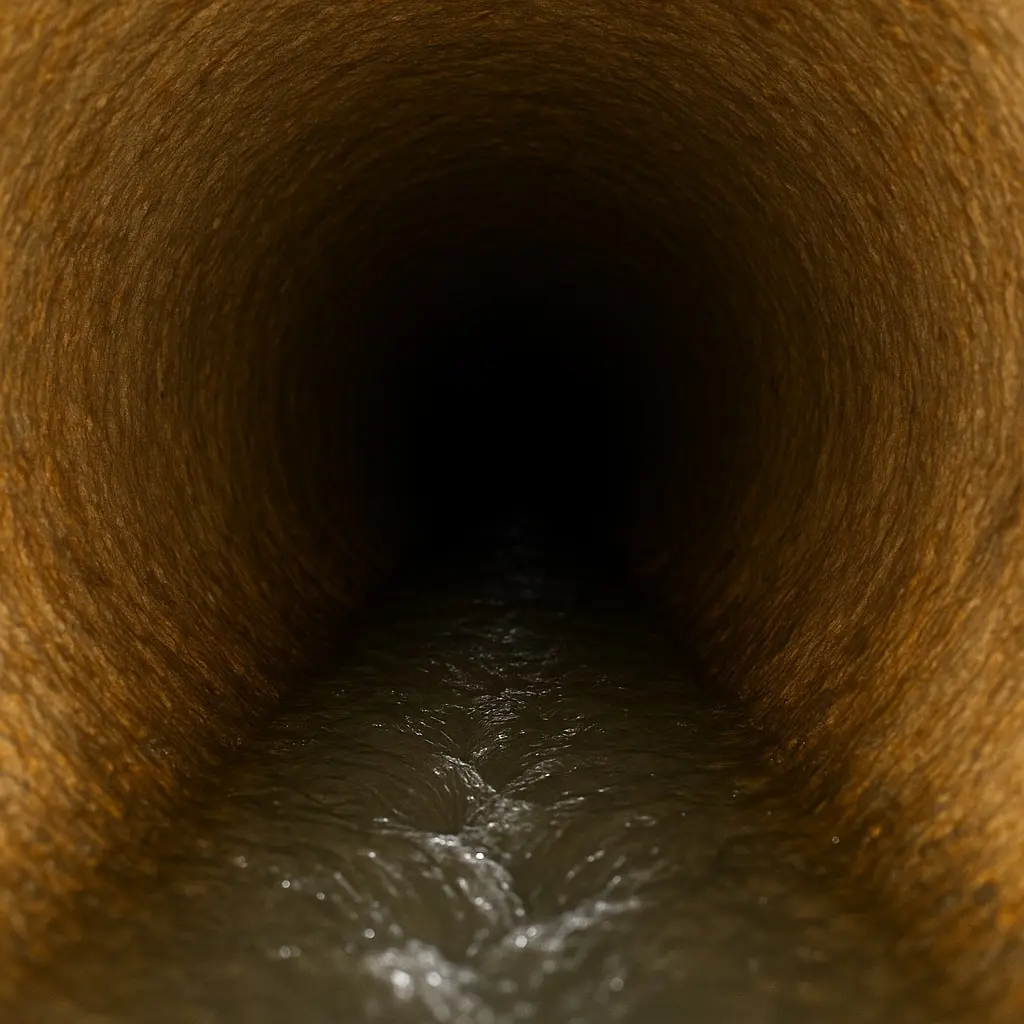
Warning Signs Your Sewer Line Is Failing (Don't Ignore These)
Your sewer line does its job quietly, carrying wastewater from your home to the municipal system. It's buried underground and out of sight—which means problems often develop unnoticed until they become serious.
A failing sewer line can lead to sewage backups, foundation damage, yard contamination, and repairs costing $5,000 to $25,000 or more. The good news? Sewer lines usually give warning signs before they fail completely. Recognizing these signs early can save you thousands and prevent a disgusting emergency.
10 Warning Signs of Sewer Line Problems
1. Multiple Slow Drains
When one drain is slow, the problem is probably localized to that fixture. But when multiple drains throughout your home are sluggish—sinks, tubs, toilets—the issue is likely in your main sewer line.
What it indicates: Partial blockage or buildup restricting flow in the main line.
Urgency level: Moderate. Address soon to prevent complete blockage.
2. Gurgling Sounds from Drains
If you hear gurgling, bubbling, or percolating sounds from drains—especially when you flush toilets or run water elsewhere—air is getting trapped in your plumbing where it shouldn't be.
What it indicates: Partial blockage is causing pressure changes and air displacement. Often accompanied by slow draining.
Urgency level: Moderate. This typically worsens over time.
3. Sewage Backups or Overflows
The most obvious sign—and the most unpleasant. If sewage backs up into your lowest drains (typically basement floor drains, first-floor toilets, or bathtubs), your main line isn't draining properly.
What it indicates: Significant blockage or structural failure preventing wastewater from leaving your home.
Urgency level: High. Stop using water and call a professional immediately.
4. Foul Odors
Sewer lines are designed to be sealed, trapping odors inside. If you smell sewage in your home, yard, or near your foundation, something is allowing those gases to escape.
Possible causes:
- Cracked or broken pipe
- Dried-out P-trap (usually fixed by running water)
- Damaged vent pipe
- Tree root intrusion creating openings
Urgency level: Moderate to high. Sewer gas can be hazardous with prolonged exposure.
5. Unusually Lush or Green Patches in Your Yard
If one area of your lawn is significantly greener or grows faster than surrounding grass, it may be getting "fertilized" by a leaking sewer line beneath.
What to look for: Patches that stay green during dry spells, or areas of unusually vigorous growth.
Urgency level: Moderate. The leak is enriching soil but also contaminating it with sewage.
6. Soggy or Sunken Areas in Your Yard
A leaking sewer line saturates the surrounding soil. Over time, this can cause:
- Constantly wet or mushy spots
- Sunken areas where saturated soil has compacted
- Puddles that form without rain
- Soft spots you can feel when walking
Urgency level: High. This indicates a significant leak, and soil erosion could affect your foundation.
7. Foundation Cracks or Settling
Sewer lines often run beneath or near foundations. A major leak can erode supporting soil, causing:
- New cracks in foundation walls
- Doors or windows that suddenly stick or won't close
- Uneven floors
- Cracks in interior walls, especially around door frames
Urgency level: High. Foundation damage is expensive and worsens quickly.
8. Pest Problems
Rats, mice, and insects are attracted to sewer lines—they provide water, food, and shelter. A cracked or broken sewer line creates an entry point for pests to access your home.
Warning signs:
- Sudden increase in cockroach activity
- Rodent sightings or droppings
- Insects emerging from drains
Urgency level: Moderate. Address both the pest problem and its source.
9. Mold Growth in Unusual Places
A leaking sewer line near your foundation can increase moisture levels inside your home, leading to mold growth in basements, crawl spaces, or lower levels.
Connection to sewer problems: If mold appears without an obvious water source (no visible leaks, no flooding history), a hidden sewer leak may be the culprit.
Urgency level: Moderate to high. Mold poses health risks and indicates ongoing moisture.
10. Increased Rodent or Insect Activity Around the Foundation
Even if pests haven't entered your home, unusual activity near your foundation can indicate a sewer problem:
- Rodents digging near the foundation
- Fly swarms near specific yard areas
- Cockroaches around outdoor drains or cleanouts
What it indicates: Pests are finding a food and water source—likely a sewer leak.
What Causes Sewer Lines to Fail?
Understanding the causes helps you assess your risk:
Tree Root Intrusion
Roots seek water sources—and your sewer line is essentially a water highway. Roots enter through joints or small cracks, then grow inside the pipe, eventually causing blockages or breaks.
Risk factors:
- Trees planted near sewer lines
- Older homes with clay or concrete pipes
- Mature trees with extensive root systems
Pipe Corrosion and Deterioration
All pipe materials have lifespans:
| Material | Typical Lifespan | Common Issues |
|---|---|---|
| Cast iron | 50-100 years | Rust, scaling, eventual collapse |
| Clay/terra cotta | 50-60 years | Cracking, root penetration at joints |
| Orangeburg (tar paper) | 30-50 years | Deformation, collapse |
| PVC | 100+ years | Joint failures (rare) |
| ABS | 100+ years | Joint failures (rare) |
Many South Florida homes built before the 1980s have cast iron, clay, or Orangeburg pipes that are now reaching or exceeding their lifespan.
Ground Movement and Settling
Florida's sandy, limestone-based soil shifts and settles over time. This movement can:
- Crack rigid pipe materials
- Separate joints
- Create "bellies" (low spots) where waste accumulates
- Misalign pipe sections
Grease and Debris Buildup
Grease, soap, hair, and other materials accumulate inside pipes over decades. This buildup:
- Reduces pipe diameter
- Creates rough surfaces that catch more debris
- Eventually causes complete blockages
Foreign Objects
Items that shouldn't be flushed can lodge in sewer lines:
- "Flushable" wipes (they're not really flushable)
- Feminine hygiene products
- Excessive toilet paper
- Children's toys
- Food waste
Construction or Landscaping Damage
Digging, heavy equipment, or new construction can damage sewer lines—sometimes without immediate symptoms.
The Importance of Camera Inspection
When sewer problems arise, camera inspection is the gold standard for diagnosis. Here's why:
See the Problem Directly
A specialized camera on a flexible cable provides real-time video of your pipe's interior. There's no guessing—you see exactly what's wrong.
Locate Issues Precisely
Camera equipment tracks distance and depth, pinpointing exactly where problems are located. This is crucial for planning repairs.
Identify Multiple Problems
Sewer lines can have several issues simultaneously. Camera inspection catches:
- The immediate blockage
- Additional problems further down the line
- Early-stage issues that haven't caused symptoms yet
Document Conditions
Video footage provides documentation for:
- Insurance claims
- Warranty disputes with contractors
- Real estate transactions
- Before/after comparison for repairs
Avoid Unnecessary Digging
Before camera inspection, diagnosing sewer problems often meant exploratory digging. Now, technicians can identify the exact location and nature of the problem without excavation.
When to Get Your Sewer Line Inspected
Reactive Situations
Schedule inspection when you notice:
- Any of the warning signs listed above
- Recurring drain clogs despite cleaning
- Sewage odors inside or outside
- Unexplained wet spots in your yard
Proactive Situations
Consider preventative inspection:
- Before buying a home — Especially older homes or properties with mature trees
- If your home is 25+ years old — Pipes may be approaching their lifespan
- After major landscaping — To ensure no damage occurred
- If neighbors have had sewer problems — Similar-age homes often have similar plumbing
- Periodically (every 3-5 years) — For peace of mind and early problem detection
What Happens If You Ignore the Signs?
Sewer line problems don't fix themselves—they worsen. Here's the progression:
Stage 1: Minor Symptoms
Slow drains, occasional gurgling. Easy to dismiss or work around.
Stage 2: Increasing Problems
More frequent backups, persistent odors, multiple affected drains. Life becomes inconvenient.
Stage 3: Significant Damage
Sewage backups into the home, visible yard damage, pest infestations. Expensive cleanup required.
Stage 4: Emergency Failure
Complete blockage or pipe collapse. Sewage throughout the home, possible foundation damage, health hazards. Emergency repairs cost 2-3 times what planned repairs would have.
The cost of inspection ($200-$400 typically) is negligible compared to the cost of emergency repairs ($10,000-$25,000+).
Taking Action
If you've noticed any warning signs, here's what to do:
Immediate Steps
- Note what you've observed — Document symptoms, when they started, and how often they occur
- Reduce water usage — If backups are occurring, minimize flow through the system
- Don't use chemical drain cleaners — They rarely solve sewer problems and can damage pipes
Next Steps
- Schedule a camera inspection — Get professional eyes on the actual problem
- Get a clear diagnosis — Understand exactly what's wrong and where
- Compare repair options — Modern techniques like trenchless repair can often fix problems without excavation
- Address the root cause — Don't just treat symptoms; fix the underlying issue
Get Answers Before Problems Get Worse
At Total Leak Detection, our sewer camera inspection services show you exactly what's happening inside your pipes. We provide clear explanations of what we find and honest recommendations for addressing problems.
Whether you've noticed warning signs or want to proactively check your system, we're here to help you protect your home from sewer emergencies.
📞 Call Today: (855) 385-5325
🌐 Learn More: totalleakdetection.com
Frequently Asked Questions
How much does sewer line inspection cost?
Camera inspection typically costs $200-$500 depending on access and line length. This is a fraction of what you'd spend on unnecessary repairs or emergency situations caused by undiagnosed problems.
Can I inspect my own sewer line?
Consumer-grade drain cameras exist but lack the quality, reach, and locating capabilities of professional equipment. For main sewer lines, professional inspection is recommended.
How often should sewer lines be inspected?
For homes over 25 years old or with tree root history, inspection every 3-5 years is wise. Newer homes with PVC lines may only need inspection when symptoms appear.
What if inspection finds a problem?
You'll have options ranging from hydro jetting (for clogs and buildup) to spot repairs (for localized damage) to full line replacement. Modern trenchless methods can often repair or replace pipes without digging up your yard.
Is it worth inspecting before buying a house?
Absolutely. Sewer line replacement costs $5,000-$25,000+. A $300 inspection before purchase could save you from buying a home with a costly hidden problem—or give you negotiating leverage if issues are found.
Related Resources
- Why Your Drains Keep Clogging - Recurring problems explained
- Hydro Jetting vs. Drain Snaking - Clearing blockages effectively
- Complete Guide to Sewer Camera Inspections - Sewer maintenance and prevention
- Benefits of Sewer Camera Inspection - Why inspection matters