What is a Post Remediation Verification?
A Critical Step in Ensuring Safe, Mold-Free Environments
When it comes to mold, water, or chemical contamination, remediation is only part of the solution. The final—and arguably most important—phase is Post Remediation Verification (PRV). At Total Leak Detection, we emphasize the value of PRV as an essential safeguard that confirms your property is truly safe and clean after a remediation effort.
Understanding Post Remediation Verification (PRV)
Post Remediation Verification is a formal assessment conducted after remediation work has been completed. Its purpose is simple but vital: to verify that contaminants have been effectively removed and that the affected environment has been restored to safe, habitable conditions.
This verification is usually performed by a third-party inspector or environmental testing firm—not by the company that performed the remediation itself—to ensure objective, unbiased results.
PRV is required or strongly recommended in many settings, including:
- Homes with previous mold contamination
- Commercial buildings impacted by water damage
- Sites exposed to biohazards, sewage backups, or hazardous materials
- Real estate transactions involving properties with a history of environmental contamination
How PRV Works: Step-by-Step
1. Visual Inspection
Before any samples are collected, a thorough visual assessment is performed. Inspectors look for:
- Visible mold or residue
- Water stains or dampness
- Construction materials not properly removed or replaced
- Odors that could indicate microbial growth

This step ensures that the remediation team followed proper protocols and removed all visibly contaminated materials.
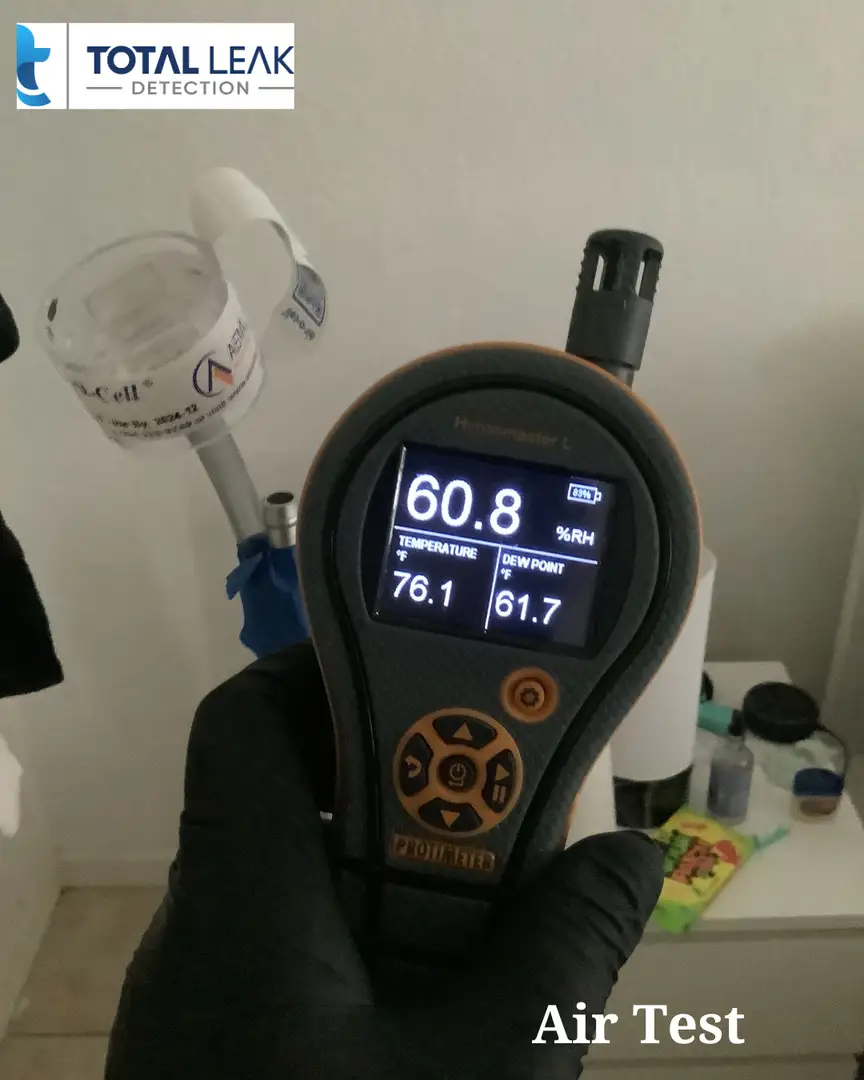
2. Moisture and Humidity Testing
Because mold thrives in moist environments, PRV includes moisture mapping using infrared cameras, moisture meters, and hygrometers. These tools confirm whether the building is dry enough to prevent mold regrowth.
3. Air and Surface Sampling
The core of PRV lies in environmental sampling, which often includes:
- Air sampling to measure mold spore counts
- Surface swab tests from previously contaminated areas
- Tape lifts or dust samples for microscopic analysis
These samples are sent to accredited laboratories to be analyzed against baseline levels or industry standards like those from the EPA, CDC, or AIHA.
4. Comparison with Pre-Remediation Data
If initial testing was done before the remediation process, PRV compares current sample results with those original levels. This allows for a data-backed conclusion on whether the cleanup was successful.
5. Final Reporting
The final PRV report includes:
- Test results and analysis
- Areas inspected and sampled
- Notes on any deficiencies or concerns
- Certification (if applicable) that the area is cleared for occupancy
Why PRV Matters
✅ Confirms Safety
PRV ensures that occupants—whether homeowners, tenants, employees, or customers—are not exposed to lingering contaminants like mold spores, bacteria, or chemical residue.

✅ Prevents Recurrence
If the underlying moisture or contamination source was not properly addressed, PRV can detect it early—before the issue resurfaces.
✅ Validates Remediation Work
For property owners, insurance providers, and real estate transactions, a PRV offers proof that the remediation was done right and meets local/state regulations.
✅ Supports Legal & Insurance Documentation
Should disputes or future claims arise, PRV documentation can act as a protective record of due diligence.
When Is PRV Required?
While not always legally mandated, PRV is strongly recommended or required in the following scenarios:
- Mold remediation over 10 square feet, per EPA guidelines
- Properties being sold or rented after mold treatment
- School buildings, daycares, or healthcare facilities
- Insurance claims related to water or mold damage
- Legal cases involving indoor air quality disputes
Selling a Home After Mold: What Homeowners Need to Know
Discovering mold when you're preparing to sell can feel overwhelming, but it doesn't have to derail your sale. Here's what you need to know:
Do I Need to Disclose Mold to Buyers?
Yes. In Florida and most states, sellers are legally required to disclose known material defects—including mold or a history of mold problems. Failing to disclose can lead to lawsuits, deal cancellations, or price renegotiations after inspections reveal the issue.
Should I Test Before Listing?
Testing is highly recommended. A pre-listing mold inspection helps you:
- Identify problems before buyers do (avoiding surprises during their inspection)
- Understand the scope of contamination
- Get accurate remediation estimates
- Demonstrate transparency and due diligence to potential buyers
Do I Have to Remediate Before Selling?
While you're not always legally required to remediate, most buyers will demand it—especially if financing is involved. Lenders and insurers often won't approve loans on properties with active mold contamination. Your options typically include:
- Remediate and obtain PRV certification — The cleanest path to a smooth sale
- Sell "as-is" at a reduced price — Attracts investors or cash buyers, but expect significant price cuts
- Offer a remediation credit — Buyer handles repairs; less common and can complicate closings
How PRV Helps You Sell
A Post Remediation Verification report from a third-party inspector is your strongest asset when selling a home with a mold history. It provides:
- Proof of proper remediation — Shows buyers the problem was fixed correctly, not just covered up
- Peace of mind for lenders and insurers — Satisfies requirements for mortgage approval
- Protection against future claims — Documents that the home was safe at the time of sale
- Negotiating power — Removes the "unknown" factor that scares buyers away
Will Mold History Hurt My Home's Value?
A properly remediated home with PRV documentation typically sells without major issues. The key is transparency and verification. Buyers are far more concerned about hidden mold than mold that was professionally addressed and certified clean. In fact, having PRV documentation can actually build buyer confidence—they know exactly what happened and that it was resolved.
Limitations of PRV
While PRV is an essential best practice, it does have its limitations:
- Cost and time: Hiring a third-party inspection and running lab analyses does require an additional investment.
- Sampling bias: Poor sampling technique or testing at the wrong time (e.g., too soon after cleaning) can result in inaccurate results.
- Does not address future conditions: PRV confirms the site is currently safe, but doesn’t guarantee future mold will not return if humidity or leaks reoccur.
Trust Total Leak Detection with Your Remediation Process
At Total Leak Detection, we work hand-in-hand with certified PRV professionals to make sure our mold remediation projects are backed by science and verified results. Whether you’re restoring your home after a mold outbreak or preparing a commercial building for re-occupancy, our team will ensure your remediation holds up under scrutiny—and passes every test.
If you need guidance on PRV, mold testing, or professional mold remediation in Florida for your Miami or South Florida property, contact our team for expert help. Learn more about how mold inspection can improve your indoor air quality and our commitment to health and safety throughout the remediation process.
📞 Call Now: (855) 385-5325
🌐 Visit: totalleakdetection.com