When a Leak Is an Emergency — and When It's Not
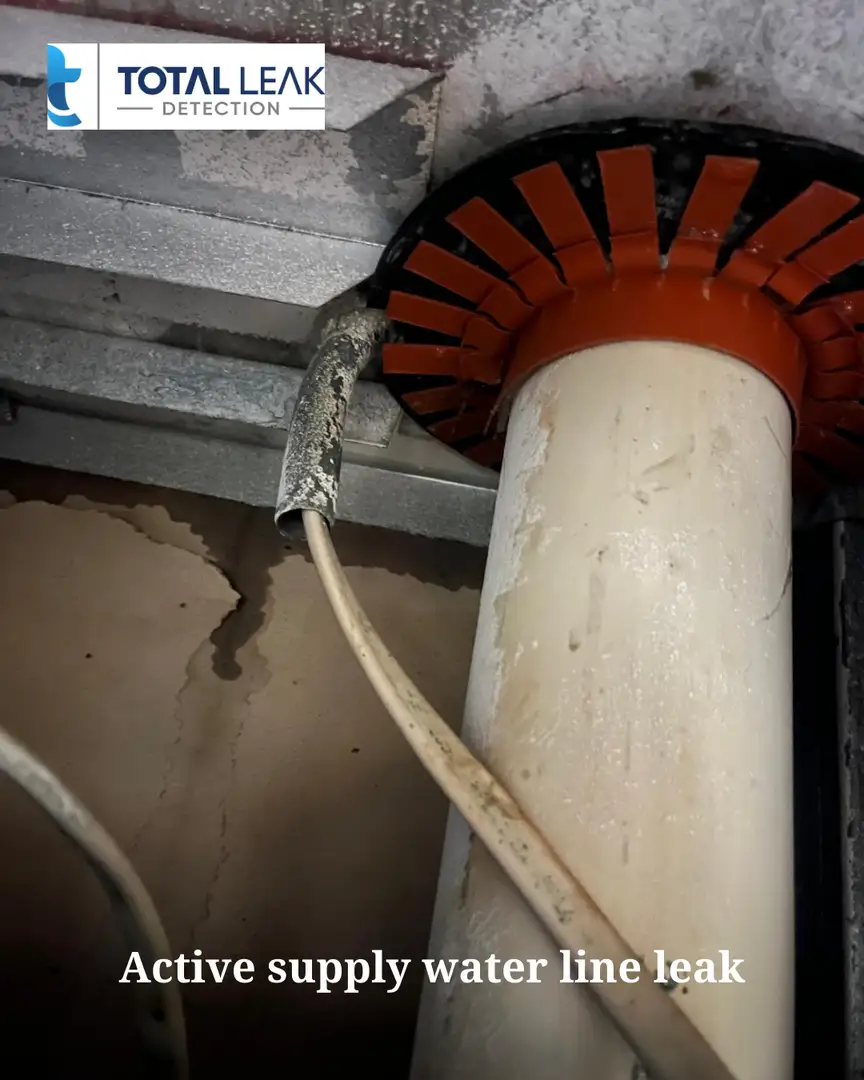
Some leaks are obvious emergencies. Others are “quiet” leaks that can still cause damage—but usually don’t require a same-hour response. The goal is to make the right call quickly: stop active damage now, then diagnose accurately so you don’t end up cutting into the wrong place.
If you’re seeing active flooding, treat it as an emergency. If you’re seeing signs of a hidden leak (bills, sounds, staining) without active spreading water, you can usually schedule professional leak detection within days.
When a Leak Is an Emergency
Call for immediate help when any of the following are true:
- Water is gushing, spraying, or flooding (burst pipe, failed supply line)
- A ceiling is bulging/sagging or actively dripping through (collapse risk)
- Sewage is backing up into tubs/showers/floor drains (health hazard)
- Water is near electrical outlets, a panel, appliances, or lighting
- The leak is affecting a shared building (condo/townhome) where neighbors could be impacted
- Your water meter is spinning rapidly with all fixtures off (major supply leak)
In these cases, speed matters because every minute can increase damage to floors, drywall, insulation, cabinets, and structural components.

What to do immediately (simple, safe steps)
- Shut off water at the main (or the nearest shutoff if you know the fixture line).
- If there is standing water near electricity, shut off power to the affected area at the breaker only if it’s safe to do so.
- Contain and protect: move valuables, place towels/buckets, and keep foot traffic away from wet areas.
- Document: take quick photos/videos if you may file an insurance claim.
- Call for emergency service and describe:
- Where the water is coming from (if known)
- Whether it’s clean water vs. sewage
- Whether it’s actively spreading
- Whether the main is shut off
When You Can Schedule Normally
You can typically schedule (instead of calling for same-day emergency service) when:
- There is no active flooding or fast-spreading water
- You have hidden-leak signs like:
- Unexplained high water bills
- Faint running-water/dripping sounds
- Minor staining or slow-developing discoloration
- Warm or damp spots on flooring (possible slab leak)
- The problem seems stable enough to monitor for 24–72 hours
Even if it’s not an “emergency,” don’t ignore it. Hidden leaks can drive mold risk and material damage—just on a slower clock.
Gray Areas: When to Call and Ask
Some situations aren’t clearly “now” or “later.” Treat these as urgent (same day or next day):
- A slow supply leak that’s actively wetting drywall, cabinets, or flooring
- New staining on a ceiling (risk can escalate quickly)
- A suspected leak in a multi-unit building
- You recently had a repair, but symptoms returned (possible missed location)
- You suspect a pipe burst that is currently “small” but worsening
If you’re unsure, call and describe symptoms. A good team will triage and tell you whether to shut off the main and dispatch immediately or schedule leak detection.
What to Do Right Now
Use this quick decision checklist:
- Flooding / spraying / ceiling sagging / sewage backup? Shut off water and call now.
- No flooding, but you have hidden-leak signs? Schedule professional leak detection soon.
- Not sure? Call, describe symptoms, and follow the triage steps.
After an Emergency: Still Get Detection If the Source Was Hidden
Emergency repairs often focus on stopping water fast. If the leak was hidden (behind a wall or under a slab), it’s common to end up with a “patch” repair without full certainty about the true failure point. Scheduling professional leak detection afterward can:
- Confirm the exact location (so finishes are opened only where needed)
- Verify whether the leak is truly resolved
- Identify additional risk spots, especially in older lines
That’s especially important with suspected slab leak scenarios and supply-line failures where symptoms can show up far from the actual break.
Frequently Asked Questions
- When is a water leak an emergency?
- It’s an emergency when water is actively flooding, a pipe has burst, a ceiling is sagging from water, sewage is backing up, or there’s risk to electrical systems. Shut off the main water and call for immediate help.
- What should I do first if I find a major leak?
- Shut off the main water supply (and electricity to affected areas if there’s standing water), then call emergency plumbing or leak response. Move valuables, start drying safely, and document damage if you may file a claim.
- When can a leak be scheduled instead of treated as an emergency?
- If there’s no active flooding and the issue is a suspected hidden leak (high bills, faint running-water sound, minor staining), you can usually schedule leak detection within a few days—while monitoring and limiting water use.
- Should I shut off my water for a slow or hidden leak?
- If you can isolate the suspected fixture or zone, shutting it off can reduce damage. If you can’t isolate it and symptoms worsen, shut off the main and call—especially if moisture is spreading quickly.
- Do I need leak detection after an emergency repair?
- Often, yes. If the source wasn’t clearly confirmed (especially for slab or behind-wall leaks), professional leak detection can verify the true location and check for additional weak points.