When a Sewer Camera Inspection Is Necessary
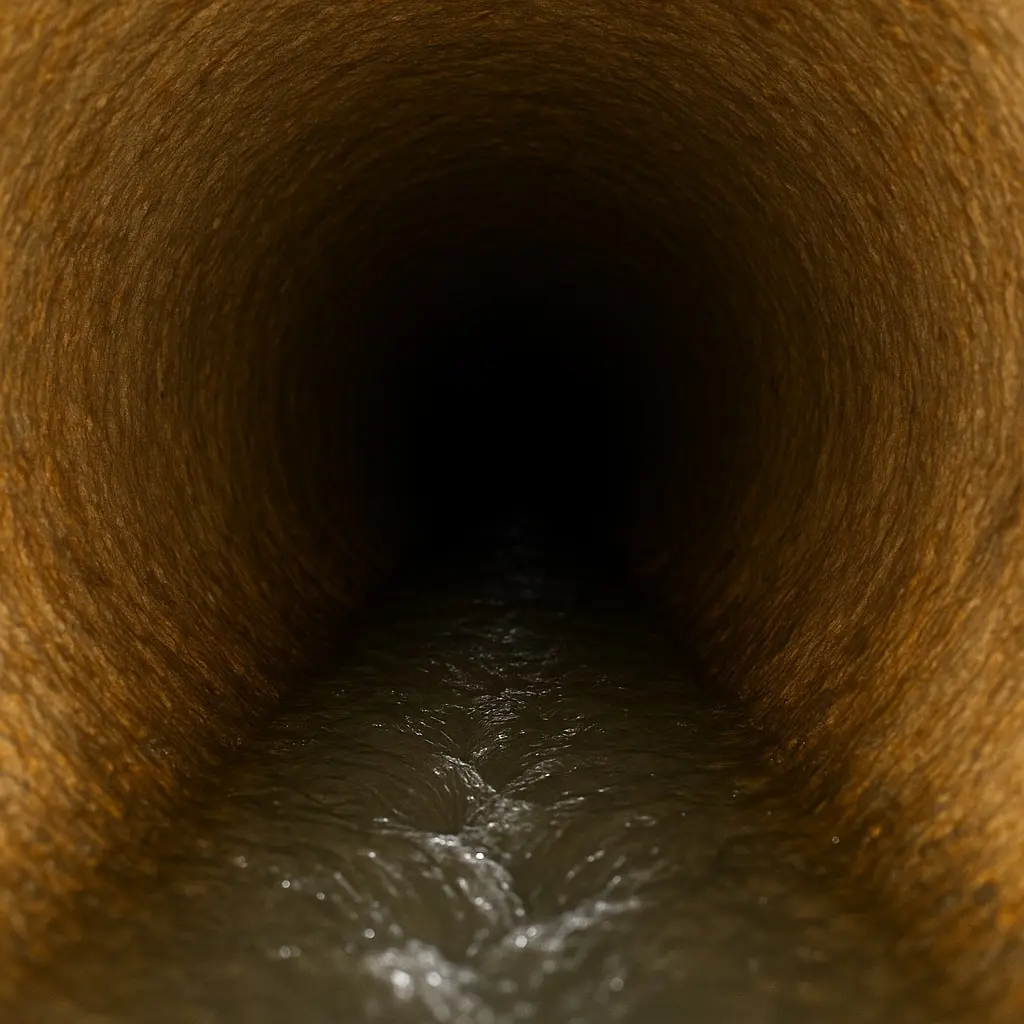
Most sewer problems look the same from the surface: slow drains, gurgling, foul odors, or a backup that “came out of nowhere.” The difference is what’s actually happening inside the pipe—and you can’t reliably guess that without seeing it.
A sewer camera inspection is necessary when symptoms suggest a main-line issue, when problems keep coming back after cleaning, or when you’re about to spend real money on repairs. It’s the fastest way to replace “maybe it’s roots” with evidence and a location.
Situations That Warrant an Inspection
When multiple fixtures are slow—for example, more than one toilet, sink, or shower—the problem is often in the main line rather than a single branch. A sewer camera inspection can show whether the cause is a sewer blockage, root intrusion, or pipe collapse. Recurring backups after cleaning suggest an underlying problem (roots, bellied pipe, or damage) that a camera can reveal. Sewage odors indoors or in the yard can indicate a break or blockage in the line; an inspection can locate the source. Before buying a home, a sewer camera inspection can uncover hidden defects so you are not surprised after the sale. Before committing to costly repairs—such as line replacement—an inspection documents what is wrong and where, so you can get accurate quotes and choose the right fix.

Professional sewer camera inspection can reveal root intrusion, pipe collapse, or sewer blockage. Schedule an inspection before committing to costly repairs so you know exactly what is inside the line.
The “camera first” situations (when it saves you the most)
If you only remember one thing, remember this: a camera inspection is most valuable before you repeat the wrong service.
Schedule a camera inspection when:
- You’ve had more than one backup in a short period
- You’ve paid for drain cleaning, but the problem returns
- Multiple fixtures are affected (especially lowest drains)
- You’re considering hydro jetting or major repair and want to confirm pipe condition
- You suspect roots, collapse, or a broken section because symptoms are severe or sudden
Without a camera, it’s common to keep paying for “temporary relief” while the underlying defect worsens.
What the camera can reveal (and why it changes the repair plan)
A camera can show:
- Root intrusion entering at joints or cracks
- Grease/debris buildup causing a sewer blockage
- Cracks, holes, separated joints, or pipe collapse
- Offset joints (sections that shifted)
- Bellies (sagging sections that hold water and catch debris)
Each condition points to a different best next step. Roots may need cutting/jetting plus long-term repair. A belly may cause recurring issues until repaired. A collapse requires repair/replacement—not repeated cleaning.
What to expect during a sewer camera inspection
Most inspections follow a simple process:
- Access the line through a cleanout (or appropriate access point).
- Feed a waterproof camera through the pipe while viewing live video.
- Record findings and measure distance to notable defects.
- Provide a summary of what was found and what options make sense.
Many technicians can mark an approximate surface location using distance measurement and landmarks, which helps repair planning.
When a camera inspection is important before buying a home
Pre-purchase sewer inspections are a special case because risk is asymmetric: you could inherit a major repair immediately after closing. If you’re buying a home—especially an older home or one with large trees—camera inspection during due diligence is often one of the highest-ROI “extra” inspections.
For more detail, see: Sewer inspections before buying a home: what to know.
What If You Skip the Inspection?
Skipping an inspection and guessing at the cause—for example, paying for repeated drain cleaning when the real issue is root intrusion or pipe collapse—can waste money and leave the problem unresolved. Without a camera, you do not know the location or extent of damage, so repair quotes may be vague or inflated. Scheduling a sewer camera inspection first gives you a clear picture, accurate repair options, and documentation for insurance or real estate. The cost of the inspection is usually modest compared to the cost of unnecessary or wrong repairs.
Bottom line
If sewer symptoms are recurring, affecting multiple fixtures, or leading you toward expensive repair decisions, a camera inspection is the most direct way to get clarity. It shows what’s inside the line, helps pinpoint location, and prevents you from paying for the wrong fix.
Frequently Asked Questions
- When should I get a sewer camera inspection?
- Get a camera inspection when you have recurring backups, slow drains in multiple fixtures, sewage odors, after repeated drain cleanings, or before buying a home. It’s also smart before approving major repairs.
- Can a sewer camera inspection find the exact location of the problem?
- Yes. Most cameras measure distance from the entry point, helping pinpoint where a blockage, root intrusion, offset joint, or damaged section is located.
- Is a sewer camera inspection necessary before hydro jetting?
- Often, yes—especially for older or unknown pipe condition. A camera helps confirm the line is intact enough for jetting and identifies the real cause of recurring clogs.
- What if the camera can’t pass a blockage?
- The technician will document what’s visible up to the blockage and its distance. In many cases the next step is targeted cleaning to restore access, then a follow-up camera run.
- Does a sewer camera inspection fix the problem?
- No. It’s diagnostic. Once the cause is confirmed, you can choose the correct fix—snaking, hydro jetting, spot repair, lining, or replacement depending on what the camera shows.