When Should You Call a Leak Detection Specialist?
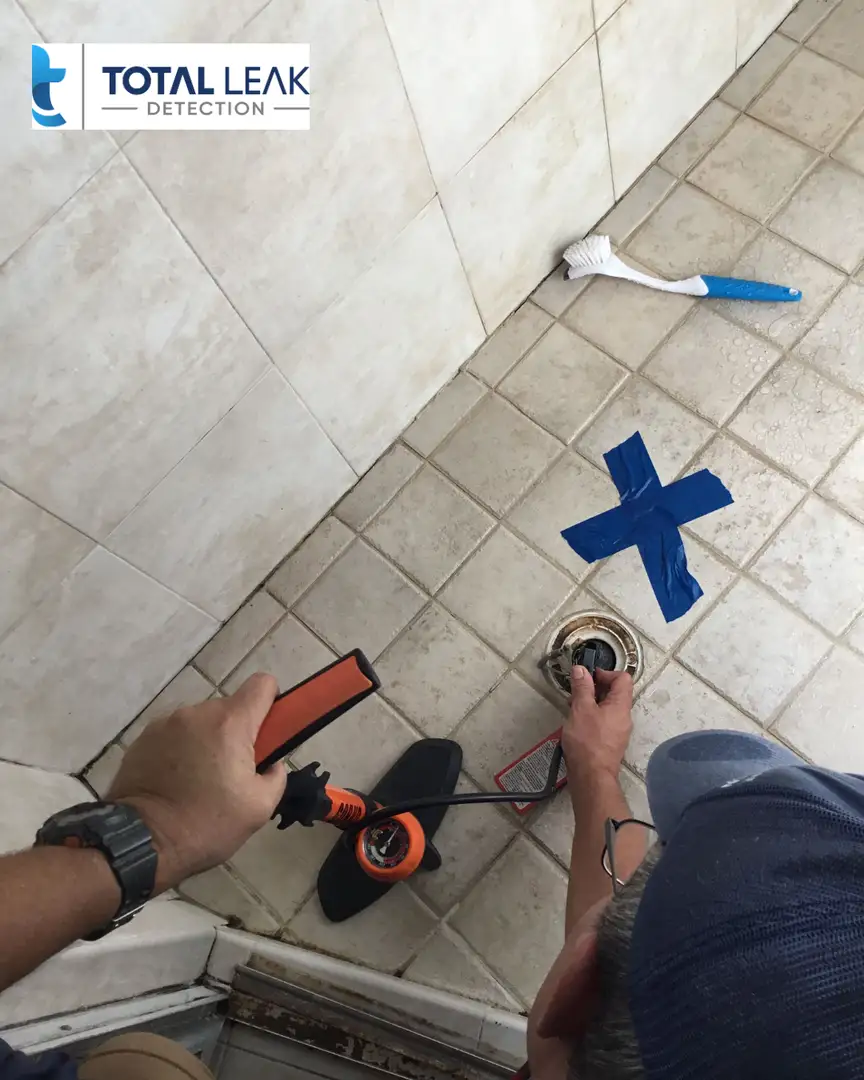
If you can’t see the leak, guessing gets expensive. The best time to call a leak detection specialist is as soon as you have evidence of a hidden leak—before the problem turns into damaged flooring, mold growth, or repeated “we fixed it but it’s still leaking” repair cycles.
In other words: call leak detection when you have leak symptoms, but no clear source. If water is actively flooding, shut off the main and treat it as an emergency first.
Signs That Warrant a Call
Schedule leak detection when you notice one or more of these:
- Water bill spike without a usage change
- Meter movement when all fixtures are off (a strong indicator of a supply leak)
- Running-water or dripping sounds when nothing is on
- Warm/damp spots on floors (especially on slab foundations)
- New stains, bubbling paint, soft drywall, or warped baseboards
- Musty odors that don’t match normal humidity/ventilation issues
- Repeated clogs/backups with no clear reason can also justify inspection—sometimes a “leak” symptom is actually a drain/sewer issue that needs camera work

In regions like South Florida, slab leaks and pinhole leaks are common in certain home ages and pipe materials. Early confirmation helps you avoid larger damage, and professional leak detection helps you repair one targeted spot instead of opening multiple areas.
A simple decision rule: visible vs. hidden
- Visible + accessible leak (under-sink fitting, exposed valve, hose bib): a plumber can often repair immediately.
- Hidden or uncertain source (slab, wall, ceiling, buried line, intermittent): detection is usually the right first step.
If you suspect a slab leak, detection is almost always the safer starting point because “pick a spot and jackhammer” can spiral in cost and disruption.
Quick checks you can do before you call (optional, but helpful)
You don’t need to diagnose it yourself, but these quick checks can speed up the visit:
1) The water meter test
- Turn off all fixtures and water-using appliances.
- Wait 10–15 minutes (no toilets running, no irrigation).
- Check the meter. If it’s still moving (or the leak indicator spins), you likely have a supply-side leak.
2) Toilet and irrigation isolation
- Toilets are common hidden water users. If you suspect a toilet, shut off the toilet valve and re-check the meter.
- If you have irrigation, ensure it’s not scheduled to run; irrigation leaks can mimic “mystery” household leaks.
3) Map the symptom zone
Write down where you notice:
- Warm floor spots
- Stains (ceiling/walls)
- Odors
- Sounds (where they’re loudest)
This helps narrow the most likely zones quickly.
When Not to Wait
Call immediately (emergency) when there’s active flooding, a ceiling is sagging, sewage is backing up, or water is near electrical hazards. For hidden-leak signs without active flooding, schedule as soon as you can—ideally within a few days. The longer a leak continues, the more likely you’ll face secondary issues like swelling/warping materials and mold conditions.
What to Expect When You Call
Most specialists will ask for:
- The symptoms you’re seeing (bills, stains, sounds, warm spots)
- Whether you’ve shut off water or had prior repairs
- Home age and any known repipes or remodels
On-site, expect a non-invasive diagnostic process using a combination of tools (acoustic listening, thermal imaging, moisture mapping, line tracing). The visit can take anywhere from about an hour to a few hours depending on the size of the home and how many areas are involved. The outcome you want is a clear location/mark-out so the repair is targeted.
Why Calling Early Matters
Hidden leaks rarely stay “small.” They tend to:
- Increase the longer they run (more water, more damage)
- Spread beyond the original area (moisture migrates)
- Trigger repair guesswork if you wait until it’s severe
Calling early usually means a smaller opening, less finish work to restore, and fewer surprises.
What If the Technician Finds No Leak?
No-leak findings can still be a win. You may learn the cause is:
- Condensation or humidity issues
- A past leak that has dried (but left staining)
- A fixture problem that’s intermittent (toilet flapper, irrigation valve)
Either way, you’ve replaced anxiety and guesswork with evidence. If symptoms persist, a follow-up can focus on the most likely systems instead of starting from scratch.
Frequently Asked Questions
- When should I call a leak detection specialist instead of a plumber?
- Call leak detection first when the leak source isn’t visible—like suspected slab leaks, behind-wall leaks, ceiling stains, or a water bill spike with no obvious cause. If the leak is visible and accessible, a plumber can often repair it right away.
- What are the most common signs of a hidden water leak?
- Unexplained high water bills, a water meter that moves when everything is off, running-water or dripping sounds, warm/damp floor spots, new stains, peeling paint, and musty odors.
- Can I do anything before scheduling leak detection?
- Yes—note where symptoms appear, take a photo of your water bill, and do a quick meter test (everything off, see if the meter still moves). If safe, try isolating toilets and irrigation systems, which are common hidden leak sources.
- What happens during a professional leak detection visit?
- The technician will review symptoms, use non-invasive tools (acoustic listening, thermal imaging, moisture mapping, line tracing), and provide a clear location/mark-out so a repair can be targeted.
- How quickly should I schedule if I suspect a leak?
- If there’s active flooding, call emergency service immediately. For hidden-leak signs without flooding, schedule within a few days—so you limit damage and avoid a bigger repair later.