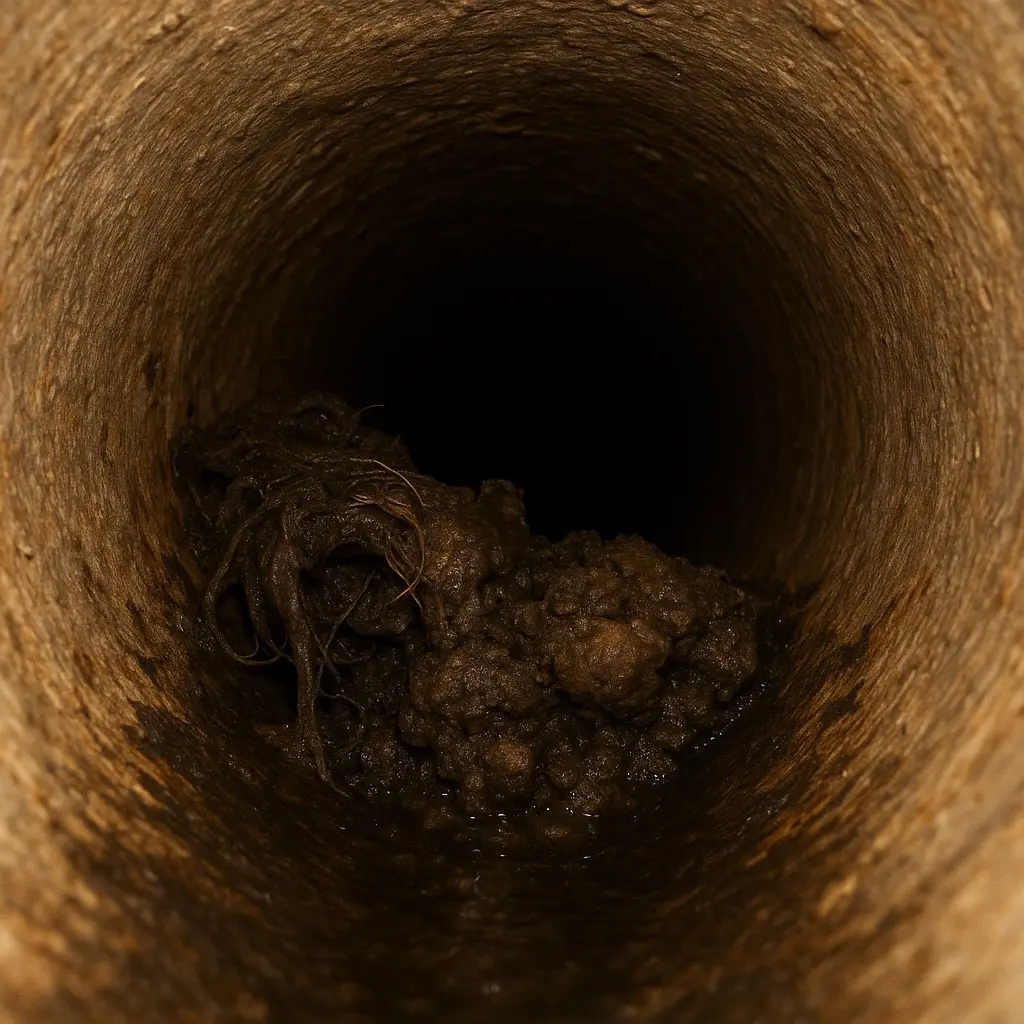
The Complete Guide to Sewer Camera Inspections in Florida
Your sewer line is one of the most critical—and often neglected—components of your home's plumbing system. When problems develop underground or behind walls, they're invisible until they become emergencies. Sewer camera inspections change that, giving you eyes inside your pipes to catch problems before they become disasters.
This comprehensive guide explains everything Florida property owners need to know about sewer camera inspections: when you need one, what problems they reveal, how the process works, and how this technology saves you money by preventing catastrophic failures.
Need a sewer inspection now? Contact Total Leak Detection for professional video pipe inspection services.
Table of Contents
- What To Do Immediately If You Suspect a Sewer Backup
- What Is a Sewer Camera Inspection?
- When You Need a Sewer Camera Inspection
- What Problems Sewer Cameras Find
- The Inspection Process
- How Long Does a Sewer Camera Inspection Take?
- Watch a Sewer Camera Inspection in Action
- Sewer Inspection Costs
- Sewer Inspections for Home Buyers
- Maintaining Your Sewer Line
- Related Articles
What To Do Immediately If You Suspect a Sewer Backup
A blocked or collapsed sewer line can lead to dangerous wastewater backing up into your home. If you notice multiple slow drains, gurgling toilets, or raw sewage entering your bathtubs or floors, immediate action is required to protect your family and property.
- Stop All Water Usage: Immediately cease using all sinks, showers, toilets, washing machines, and dishwashers. Any water you send down the drain will only add to the backup in your home.
- Turn Off the Main Water Valve: Shut off your home's main water supply to ensure no automated systems (like ice makers or irrigation) accidentally contribute to the flooding.
- Avoid Contact with Sewage: Raw sewage contains hazardous bacteria, viruses, and pathogens. Keep children and pets far away from the affected areas and never attempt to clean up raw sewage without proper protective equipment.
- Do Not Use Chemical Cleaners: Pouring chemical drain cleaners into a severely backed-up main line will not clear the blockage and will only create a toxic, highly corrosive pool of standing water that is dangerous for plumbers to handle.
- Call for an Emergency Camera Inspection: Contact a licensed plumbing professional immediately. A sewer camera inspection is the only way to quickly pinpoint the exact location and cause of the blockage without destructive digging.
What Is a Sewer Camera Inspection?
A sewer camera inspection uses a specialized waterproof camera attached to a flexible cable to visually examine the inside of your drain and sewer pipes. The camera transmits real-time video to a monitor, allowing technicians to see exactly what's happening inside your plumbing system.
How the Technology Works
Modern sewer cameras feature:
- HD video quality: Clear images that reveal even small problems
- LED lighting: Illuminates the dark interior of pipes
- Flexible cables: Navigate bends and turns in your plumbing
- Location transmitters: Pinpoint exact positions of problems
- Recording capability: Document findings for your records and insurance
Types of Sewer Cameras
- Push cameras: Manually guided through pipes, ideal for most residential inspections
- Crawler cameras: Self-propelled units for larger commercial lines
- Lateral launch cameras: Can inspect branch lines from the main sewer
When You Need a Sewer Camera Inspection
Warning Signs That Indicate Problems
Call for an inspection if you experience:
- Frequent drain clogs that keep returning after clearing
- Multiple slow drains throughout the house
- Gurgling sounds from toilets or drains
- Sewage odors inside or outside your home
- Wet spots in your yard especially along the sewer line path
- Toilet bubbling when you run water elsewhere
- Sewage backups in lower-level drains
Learn more: Why Your Toilet Bubbles When Your Washing Machine Drains
Proactive Inspection Situations
Schedule an inspection for:
- Buying a home: Especially homes over 20 years old
- Selling a home: Provide documentation of sewer condition
- Before major renovations: Ensure the system can handle changes
- Older plumbing systems: Homes with cast iron, clay, or Orangeburg pipes
- After purchasing a home: Establish a baseline of your system's condition
- Routine maintenance: Every 2-5 years for older homes
Florida-Specific Considerations
Florida properties face unique sewer challenges:
- Tree root intrusion: Our year-round growing season means aggressive root growth
- Soil shifting: Sandy Florida soil can cause pipe settling and bellying
- High water tables: Groundwater pressure can affect older pipes
- Aging infrastructure: Many Florida homes have sewer systems 30-50+ years old
- Cast iron deterioration: Older Florida homes often have corroding cast iron pipes
What Problems Sewer Cameras Find

Root Intrusion
Tree roots seek water sources and can infiltrate sewer lines through tiny cracks or joint gaps. Once inside, roots grow and expand, eventually blocking or breaking pipes.
Signs of root problems:
- Recurring clogs in the same location
- Slow drains that worsen seasonally
- Gurgling sounds as water fights past obstructions
Pipe Damage and Deterioration
Cracks and fractures: Can result from ground movement, age, or impact damage
Corrosion: Cast iron pipes eventually rust and deteriorate from the inside out
Bellied pipes: Sections that sag due to soil conditions, creating low spots where waste collects
Collapsed sections: Complete pipe failure requiring replacement
Blockages and Buildup
Grease accumulation: Cooking grease solidifies in pipes over time
Scale buildup: Mineral deposits narrow pipe diameter
Foreign objects: Items that shouldn't be flushed causing obstructions
Sediment accumulation: Dirt and debris collecting in bellied sections
Joint and Connection Issues
Offset joints: Pipes that have shifted out of alignment
Separated joints: Gaps where pipe sections have pulled apart
Failed seals: Deteriorated gaskets allowing infiltration
Pipe Material Assessment
Cameras reveal what your pipes are made of:
- Cast iron: Common in homes before 1970s, prone to corrosion
- Clay/terracotta: Very old systems, brittle and root-prone
- Orangeburg: Compressed tar paper pipes from 1940s-1970s, often failing
- PVC: Modern plastic, durable but can crack
- ABS: Another modern plastic option
Learn more: Choosing the Perfect Pipe Size for Your Main Sewer Line
The Inspection Process

What to Expect
1. Access Point Identification The technician locates a suitable access point—typically a cleanout, roof vent, or toilet removal point.
2. Camera Insertion The camera is carefully fed into the pipe system, navigating through the lines.
3. Real-Time Viewing You can watch the monitor as the camera travels through your pipes, seeing exactly what the technician sees.
4. Problem Documentation Any issues are recorded with video and photos, noting the type of problem and its location.
5. Location Marking For problems requiring repair, a transmitter pinpoints the exact location above ground.
6. Report Generation You receive a detailed report including video footage, findings, and recommendations.
Preparation Required
- Ensure access to cleanouts
- Know the approximate location of your sewer line
- Have previous inspection reports if available
- Clear access to relevant areas
Learn more: What to Expect During a Sewer Camera Inspection in Miami, FL
How Long Does a Sewer Camera Inspection Take?
One of the greatest benefits of a video pipe inspection is its speed and efficiency compared to traditional exploratory digging. The timeline for a sewer camera inspection is generally very straightforward.
- Standard Residential Inspection: For an average single-family home with an easily accessible sewer cleanout, the entire camera inspection process typically takes 30 to 60 minutes. This includes navigating the camera through the main line to the municipal connection or septic tank.
- Complex or Older Plumbing Systems: If your home lacks a dedicated cleanout, the technician may need to access the sewer line by temporarily removing a toilet or going through a roof vent. In these cases, or if the lines are exceptionally long or blocked by severe root intrusion, the process can take 1 to 2 hours.
- Commercial Properties: For larger commercial buildings, multi-family units, or properties requiring branch line (lateral) inspections, the process may range from 2 to 4 hours.
Following the inspection, your technician will immediately provide a real-time assessment of the pipe's condition, along with the recorded video footage and repair recommendations.
Watch a Sewer Camera Inspection in Action
See exactly what our technicians see during a real sewer camera inspection. This video demonstrates the HD camera technology, how we navigate through pipes, and the types of conditions we commonly find in Florida homes.
Our professional sewer camera inspection service provides clear HD video footage of your entire sewer line, helping identify problems before they become emergencies.
Sewer Inspection Costs
Typical Price Ranges
- Basic residential inspection: $125-$300
- Comprehensive inspection with full report: $200-$500
- Inspection with location services: $300-$600
- Commercial property inspection: $400-$1,000+
Factors Affecting Cost
- Property size and line length: Longer lines take more time
- Access difficulty: Limited access points increase complexity
- Number of lines: Main line vs. multiple branch lines
- Report requirements: Basic findings vs. detailed documentation
- Emergency service: After-hours inspections may cost more
Cost vs. Value
A sewer inspection costing a few hundred dollars can prevent:
- Emergency repairs: $3,000-$25,000+
- Property damage: Water damage restoration averages $3,000-$8,000
- Health hazards: Sewage cleanup is expensive and dangerous
- Landscaping destruction: Unnecessary digging looking for problems
Learn more: How Much Does a Sewer Line Camera Inspection Cost?
Sewer Inspections for Home Buyers
Why Buyers Need Sewer Inspections
Standard home inspections don't include sewer line evaluation. Yet sewer problems can cost tens of thousands to repair. A pre-purchase sewer inspection protects your investment.
What Buyers Learn
- Current condition: Is the system healthy or failing?
- Remaining lifespan: How long before major repairs are needed?
- Pipe materials: Are there problematic materials like Orangeburg?
- Root threats: Are trees threatening the line?
- Previous repairs: Evidence of patches or replacements
Negotiating Power
Inspection findings can help you:
- Negotiate price reductions for needed repairs
- Request seller repairs before closing
- Budget accurately for future maintenance
- Walk away from properties with serious issues
When to Inspect
- Before waiving contingencies: Make it part of your due diligence
- For homes over 20 years old: Higher likelihood of issues
- Properties with large trees: Root intrusion risk
- Homes with history of backups: Previous owners may have ignored problems
Maintaining Your Sewer Line

Proper maintenance extends the life of your sewer system and prevents emergencies.
Preventive Practices
Watch what goes down:
- Never pour grease or oil down drains
- Avoid flushing anything except toilet paper
- Use drain screens to catch debris
- Don't use harsh chemical drain cleaners
Tree management:
- Know where your sewer line runs
- Consider root barriers near vulnerable pipes
- Remove trees that repeatedly cause problems
- Choose sewer-safe landscaping
Regular maintenance:
- Professional cleaning every 1-2 years for older systems
- Camera inspections every 3-5 years
- Address slow drains promptly
- Know your cleanout locations
Signs It's Time for Maintenance
- Drains slower than usual
- Need for frequent plunging
- Minor gurgling sounds
- It's been years since last service
Benefits of Regular Inspections
Catch Problems Early
Small issues become big problems over time. Regular inspections identify:
- Developing root intrusion before blockages
- Corrosion before pipe failure
- Bellying before complete sags
- Cracks before collapse
Plan and Budget
Knowing your sewer's condition helps you:
- Plan repairs at your convenience, not in emergencies
- Budget for upcoming maintenance
- Prioritize multiple plumbing needs
- Avoid surprise expenses
Document for Insurance
Video documentation can support:
- Insurance claims for covered damage
- Warranty claims on previous repairs
- Disputes about pre-existing conditions
- Real estate transactions
Learn more: The Benefits of Sewer Camera Inspections for Miami Homeowners
Related Articles
Explore more resources from our sewer inspection experts:
Understanding Sewer Inspections
- What to Expect During a Sewer Camera Inspection in Miami, FL
- The Benefits of Sewer Camera Inspections for Miami Homeowners
- The Importance of Sewer Camera Inspections: Prevent Costly Repairs
Costs and Planning
- How Much Does a Sewer Line Camera Inspection Cost?
- Choosing the Perfect Pipe Size for Your Main Sewer Line
Maintenance
Related Services
Protect Your Property with Professional Inspection
Your sewer line works silently underground until something goes wrong. Don't wait for a backup or collapse to discover problems that could have been prevented.
Total Leak Detection provides comprehensive sewer camera inspection services throughout South Florida:
- ✅ HD video inspection technology
- ✅ Detailed reports with video documentation
- ✅ Precise problem location services
- ✅ 40+ years of Florida plumbing experience
- ✅ Licensed and insured (CFC1430460)
See inside your pipes before problems become emergencies.
Schedule Your Sewer Camera Inspection
Total Leak Detection – Florida's Trusted Sewer Inspection Experts Since 1980