February 5, 2026Tomasz Alemany
Mold TestingAir Testing vs Surface Testing: Which Mold Test Is Better?
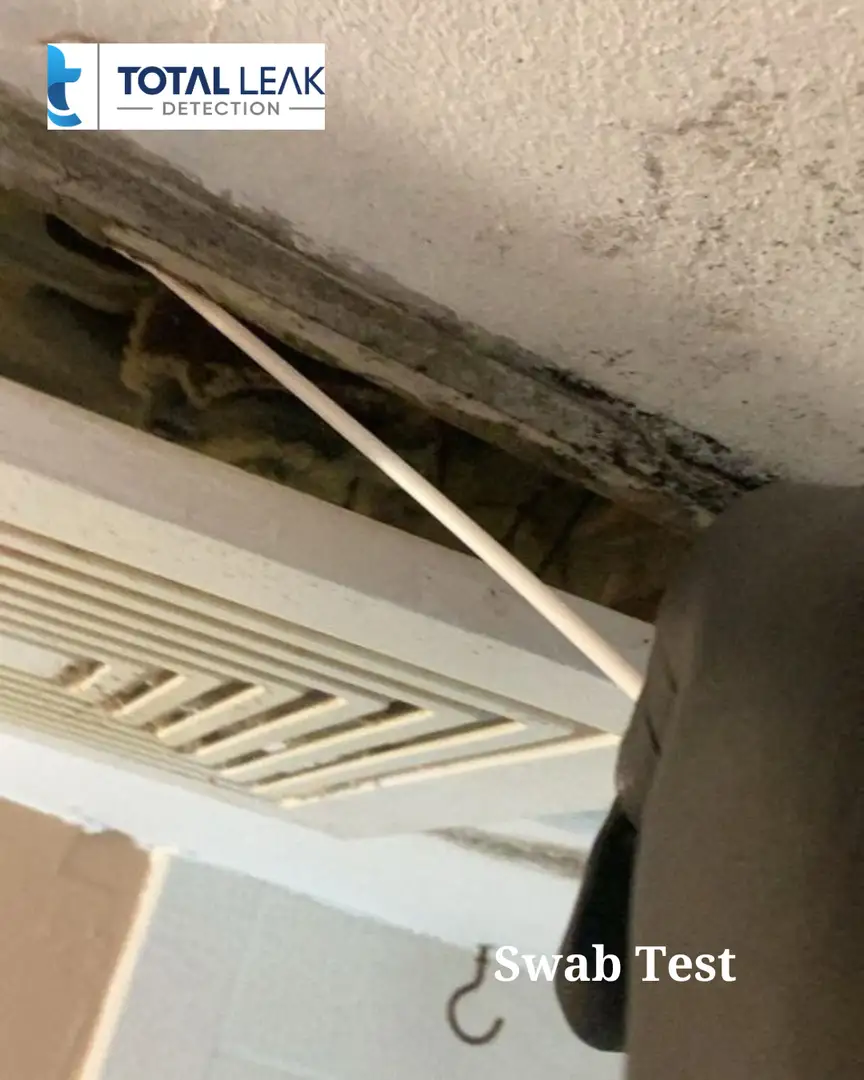
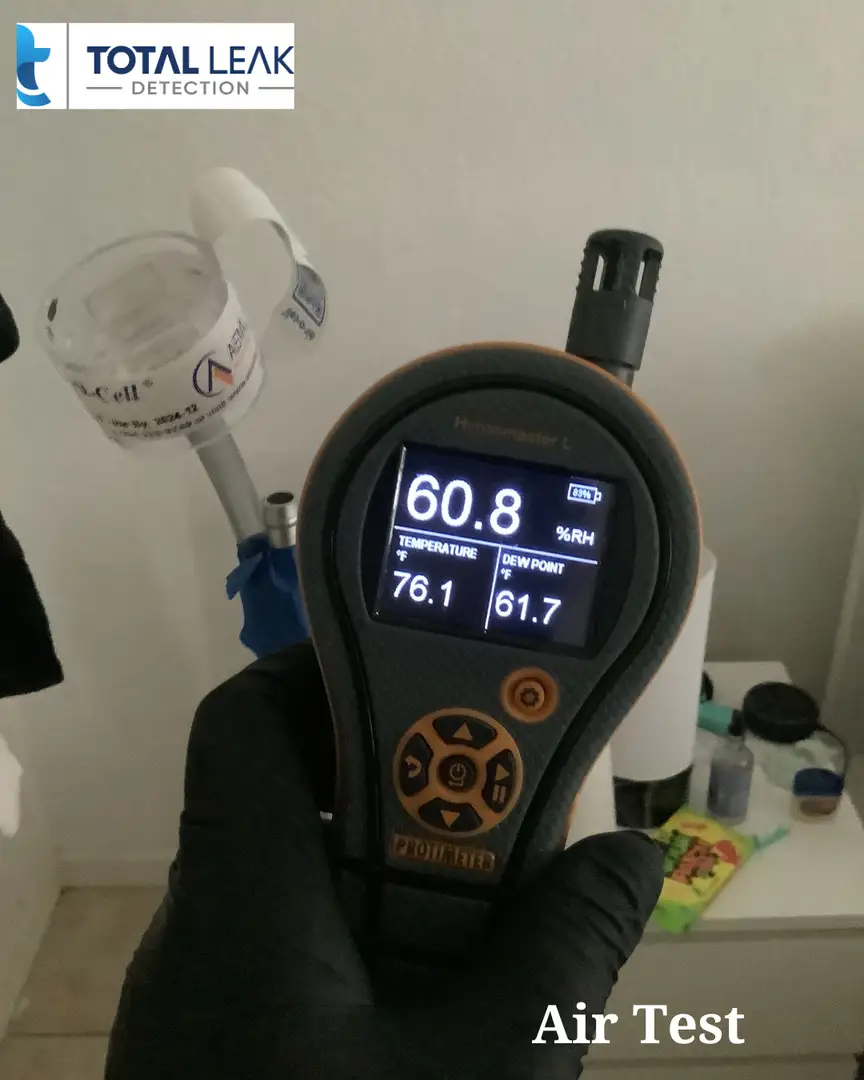
Air testing and surface testing answer different questions. Learn when each is appropriate and when to combine them for a full picture.
Read More22 articles about mold testing
Mold exists virtually everywhere in the natural environment, with spores constantly circulating through outdoor and indoor air. Problems arise when indoor conditions—specifically moisture and organic material—allow mold colonies to establish and proliferate. Understanding mold biology, testing methodologies, and the conditions that promote growth enables property owners to address mold issues effectively and distinguish between normal background levels and actionable contamination.
Mold testing encompasses several distinct approaches, each providing different information. Air sampling captures airborne spore concentrations, allowing comparison between indoor and outdoor levels. Surface sampling identifies mold species present on materials. Moisture mapping locates the water sources that sustain mold growth. A comprehensive assessment typically combines these methods to build a complete picture of building conditions.
The relationship between water intrusion and mold growth follows predictable patterns. Most mold species require relative humidity above 60% and organic nutrients—found in drywall paper, wood, carpet backing, and dust accumulation—to colonize surfaces. Growth typically becomes visible within 24 to 72 hours of moisture exposure under favorable temperature conditions. This timeline underscores why prompt water damage response matters for mold prevention.
Different mold species carry varying health implications. While all molds can trigger allergic responses in sensitive individuals, certain genera—particularly Stachybotrys, Chaetomium, and some Aspergillus species—produce mycotoxins that raise additional health concerns. Laboratory analysis of samples identifies species present, informing appropriate response strategies.
Post-remediation verification represents another critical application of mold testing. After remediation work, clearance testing confirms that affected areas meet acceptable standards before reconstruction begins. This step protects occupants and provides documentation that the remediation achieved its objectives.
The articles in this section examine mold testing protocols, interpretation of laboratory results, the connection between moisture problems and mold growth, and the regulatory framework governing mold assessment in various contexts.
Air testing and surface testing answer different questions. Learn when each is appropriate and when to combine them for a full picture.
Read More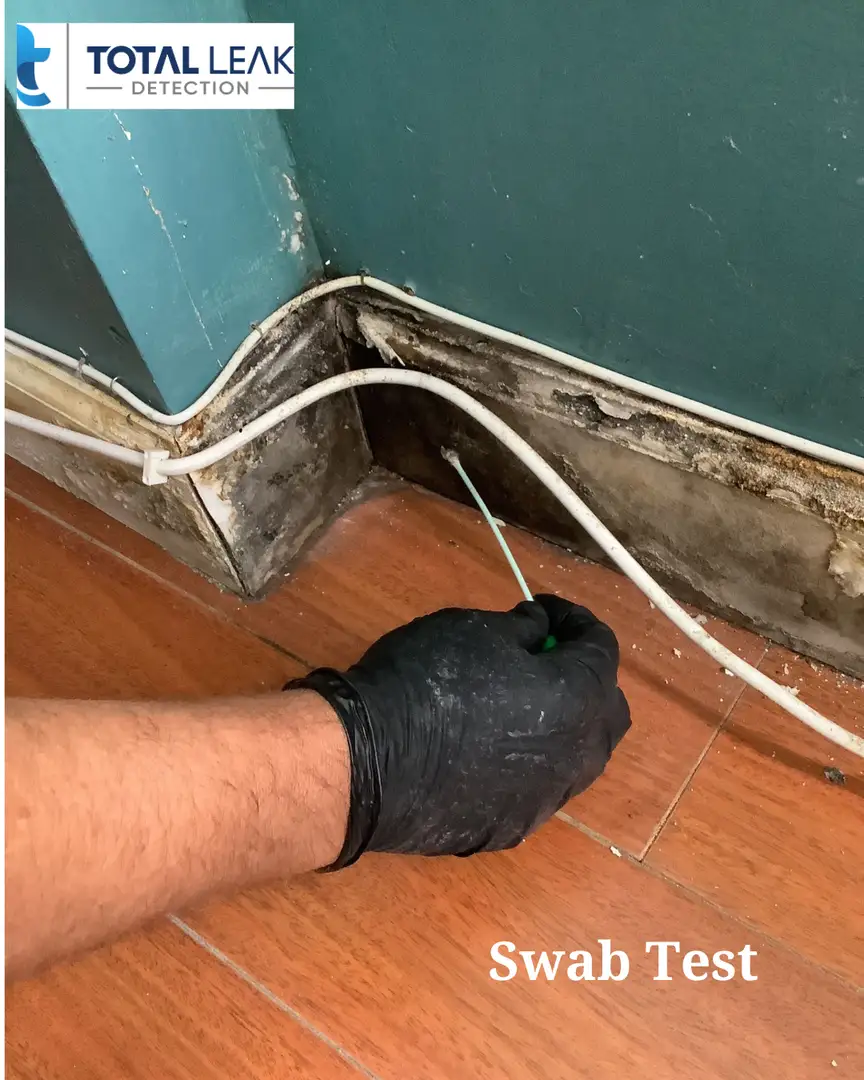
Mold testing can indicate mold inside walls through air sampling, moisture mapping, or strategic drilling. Learn how it works.
Read More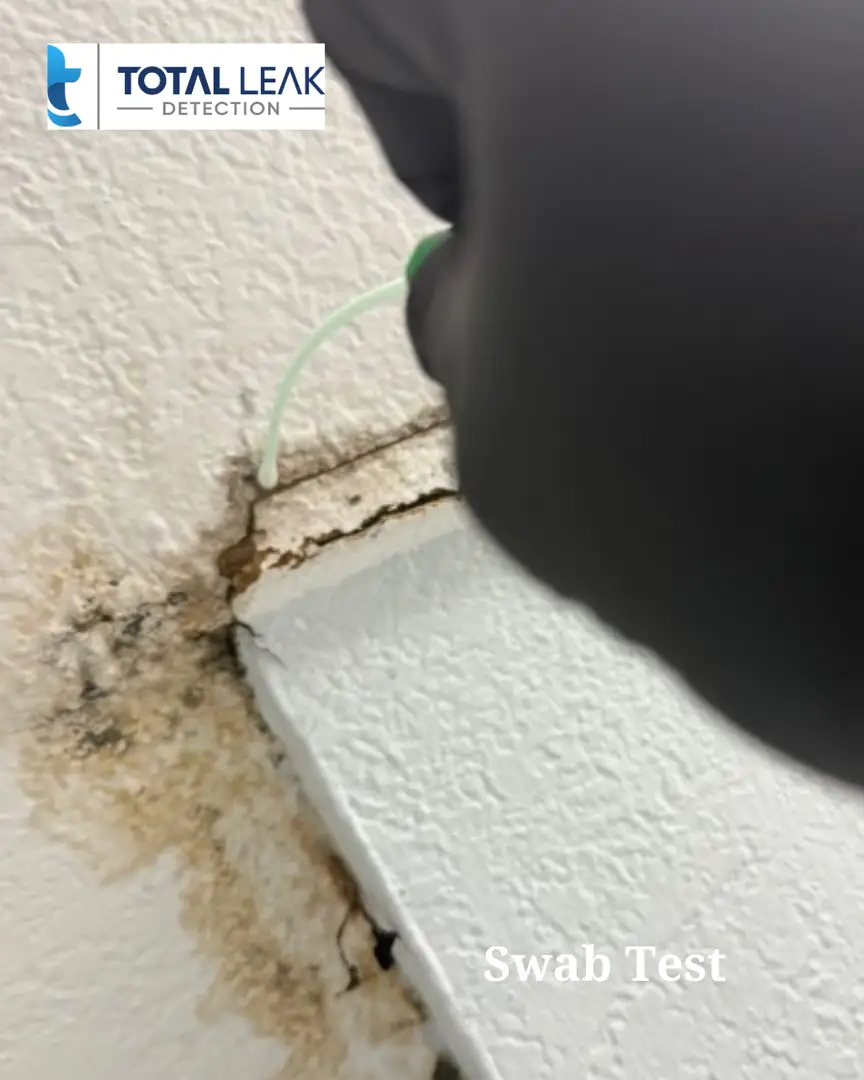
Yes—clearance testing can fail if mold was not fully removed or moisture remains. Learn why it happens and what to do next.
Read MoreMold testing can miss mold in walls or other inaccessible areas if only surface or air samples are taken. Learn how to reduce the risk of missing hidden mold.
Read More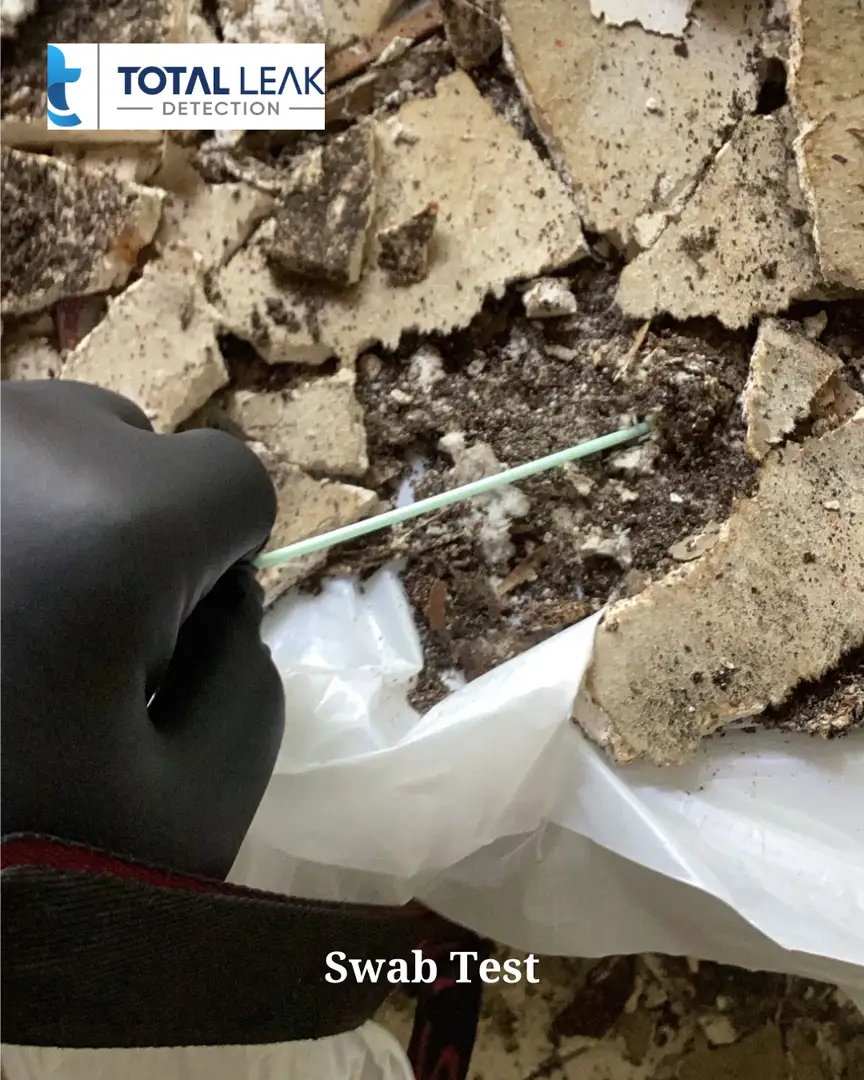
Black mold (Stachybotrys) is identified by the same sampling methods as other molds, but interpretation may differ. Learn what testing involves.
Read More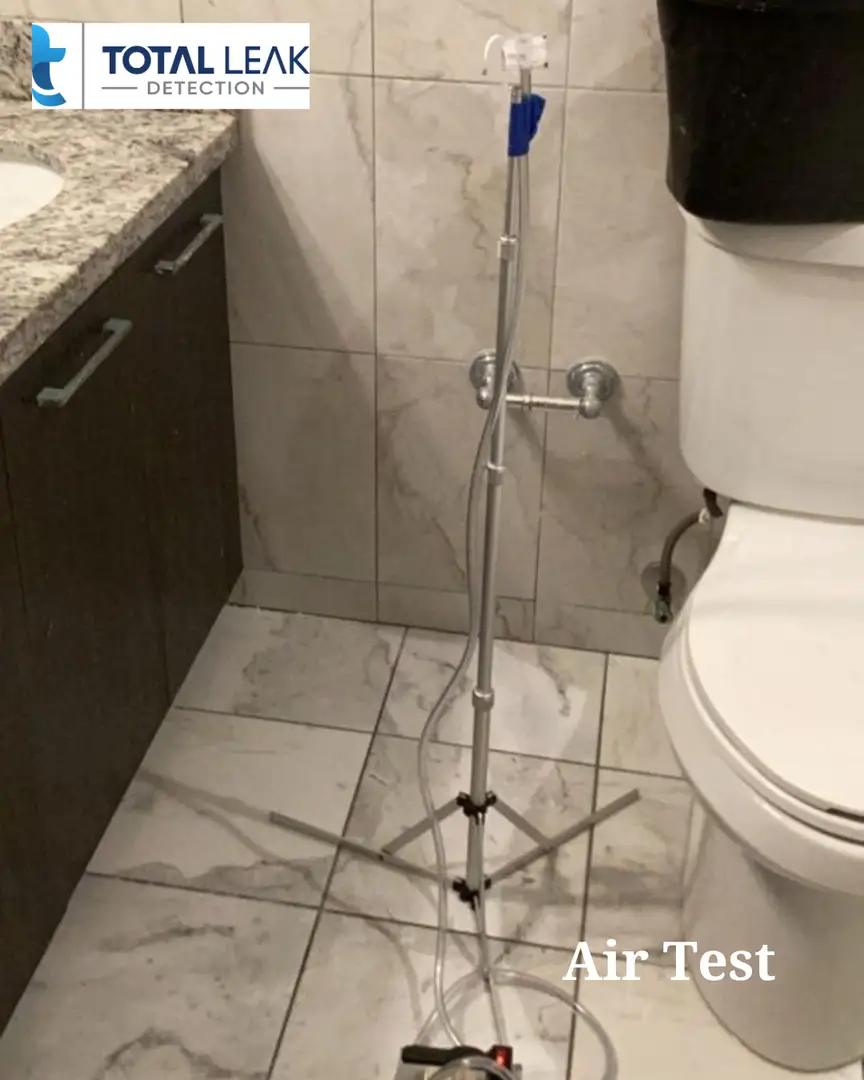
Most mold testing appointments take 1–3 hours on site, plus lab turnaround for results. Here’s what affects timing and how to plan.
Read More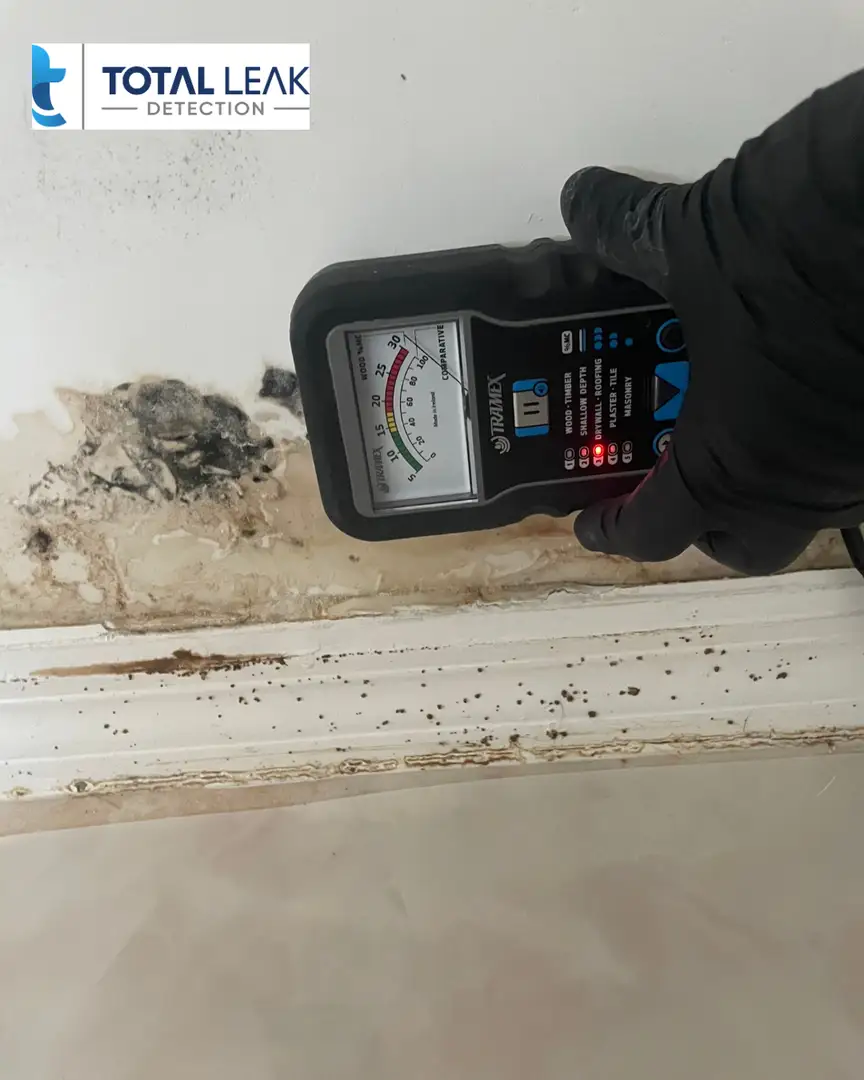
Mold can begin growing within 24–48 hours of water damage. Learn when to test and when to call a mold testing professional.
Read More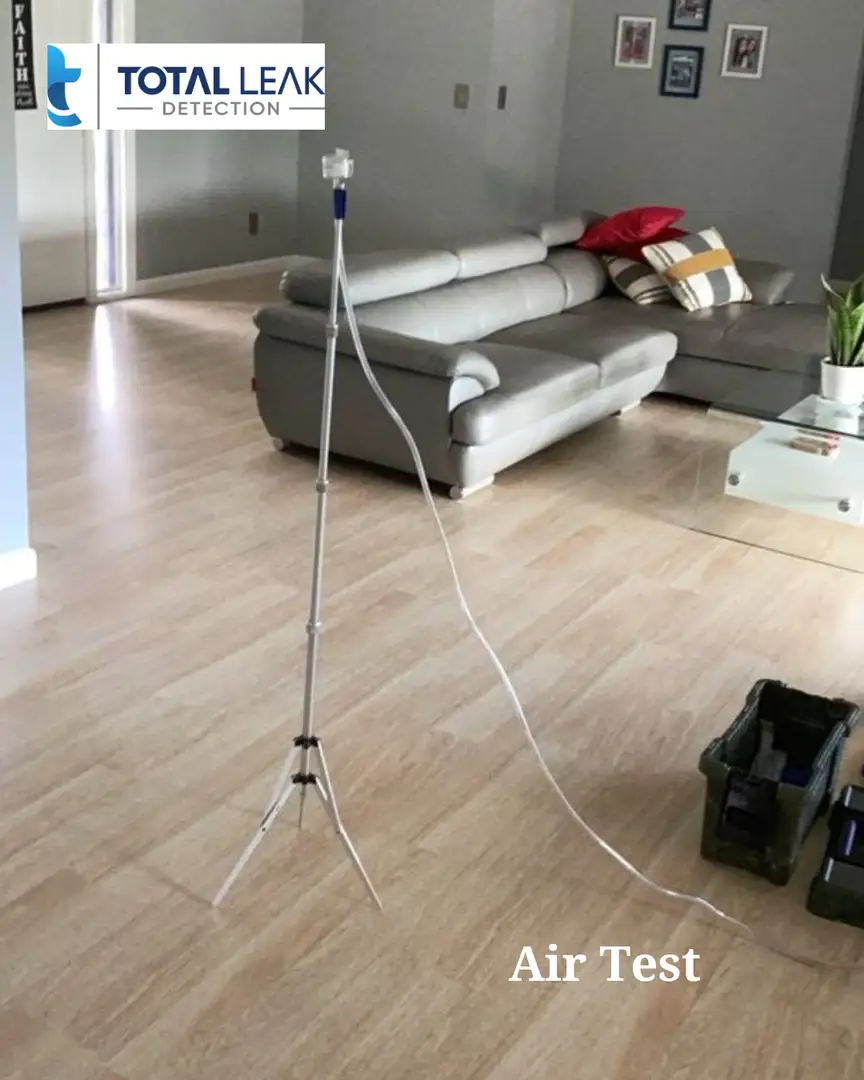
Mold testing can detect mold even when you cannot see it—through air or surface sampling. Learn how accurate it is and when to test.
Read More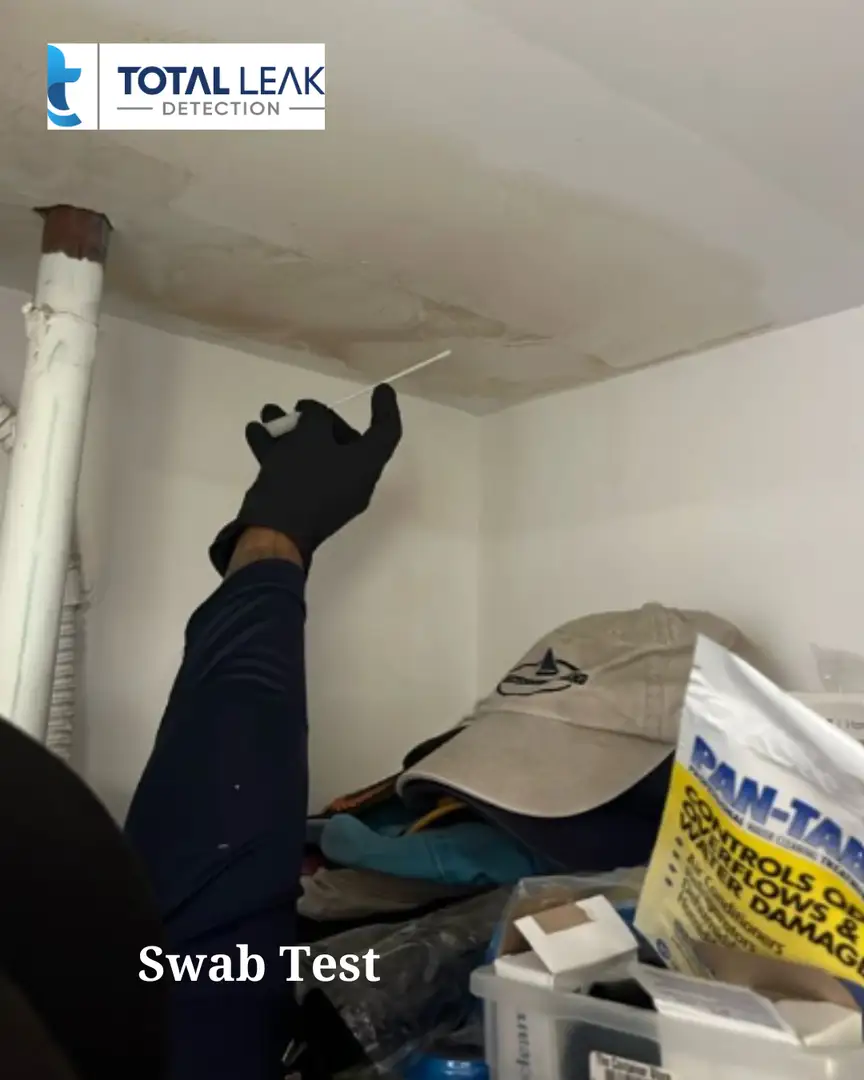
Mold can grow after even small leaks if moisture lingers. Learn when mold testing is necessary after a small water leak.
Read More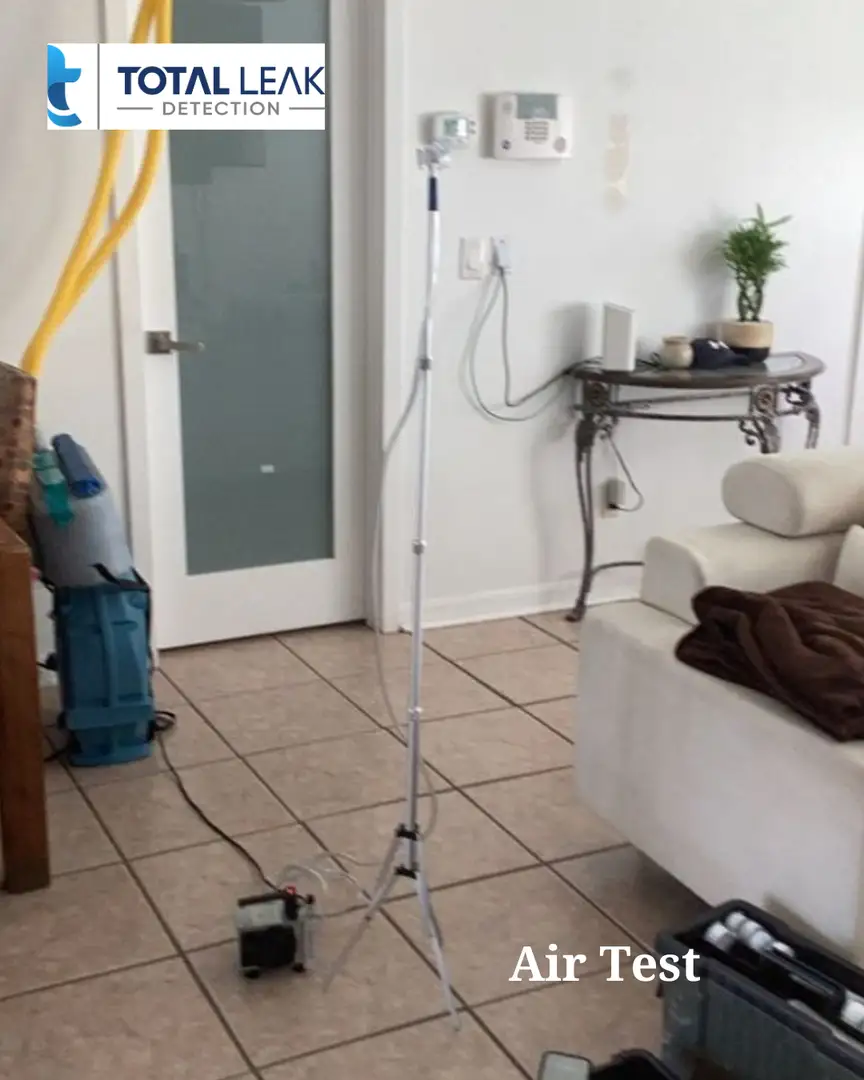
Some Florida insurers require mold testing or clearance reports for water damage claims. Learn common requirements and when to schedule testing.
Read More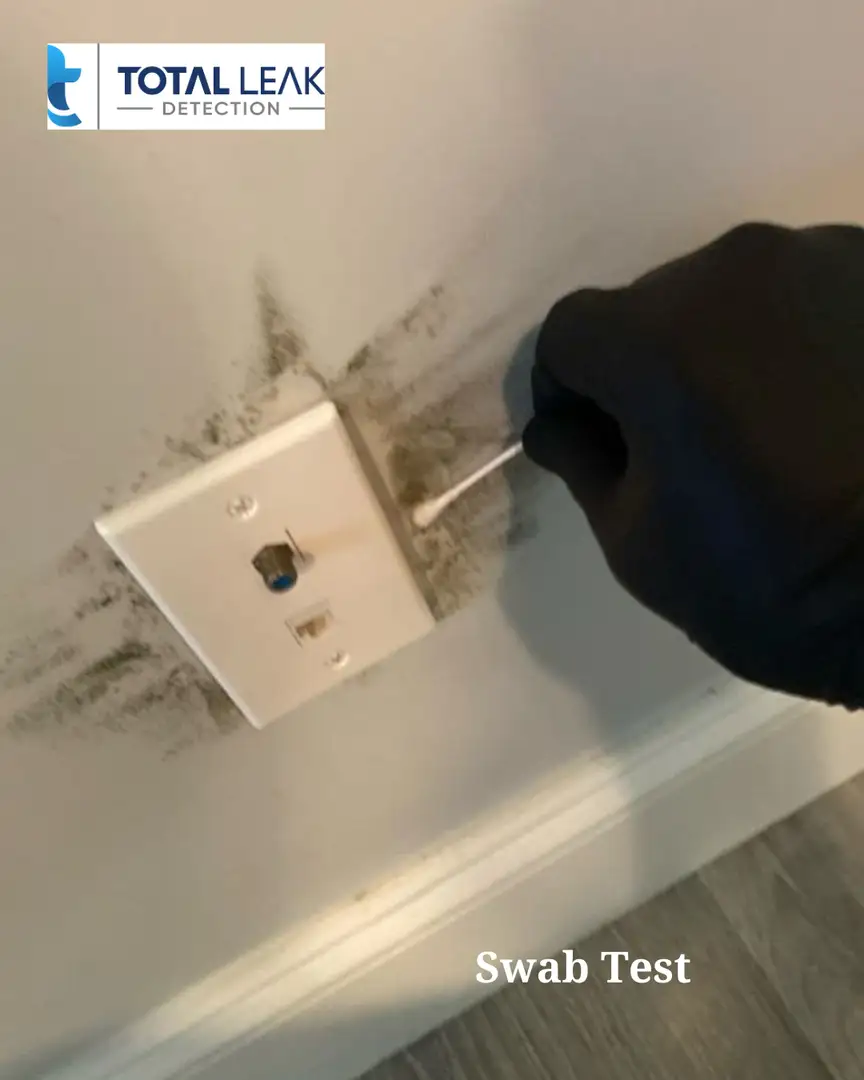
Mold testing finds and documents mold conditions; mold remediation removes or contains mold and fixes the moisture source. Learn when you need each and in what order.
Read MorePost-remediation mold clearance is testing after mold removal to confirm the area is clean. Learn what it involves and when it is required.
Read MoreMold can begin growing within 24–48 hours of a water leak. Learn the timeline and when to schedule mold testing.
Read MoreA persistent musty smell can signal hidden mold or ongoing moisture. Learn when odor is enough to schedule testing and what to check first.
Read More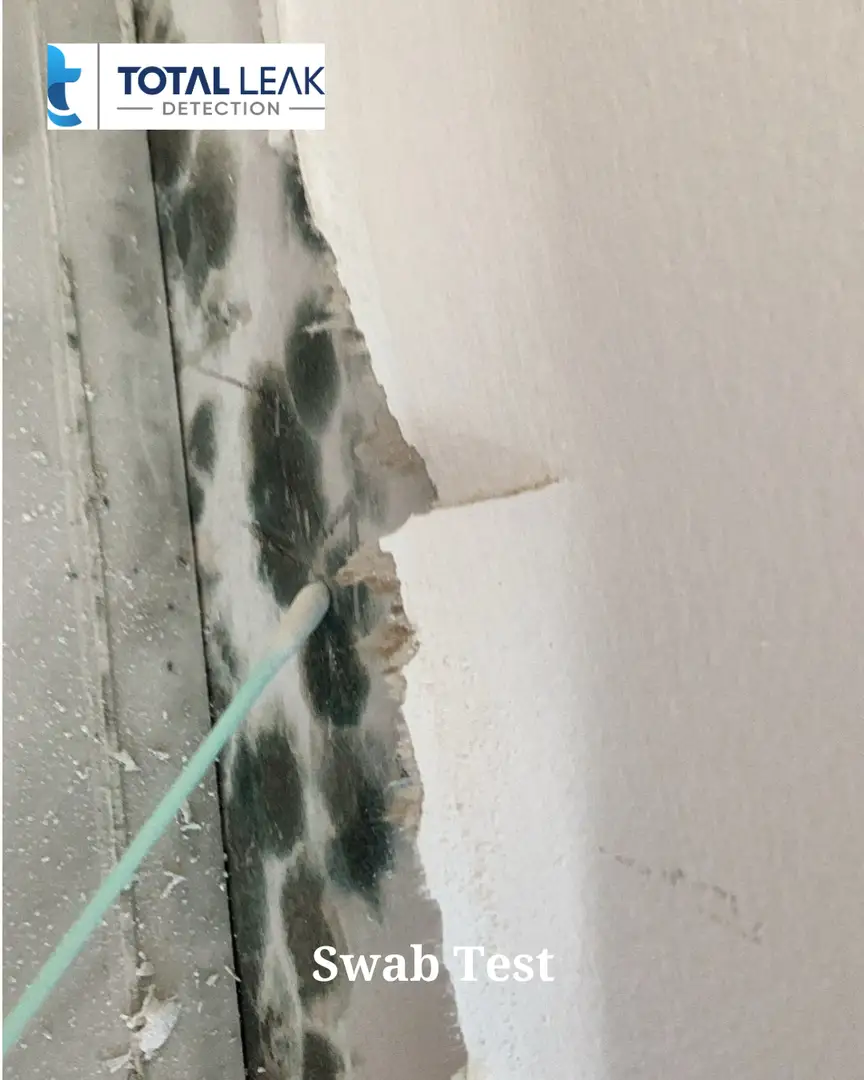
In Florida, mold assessors and remediators are licensed. Learn who is qualified to perform mold testing and what to look for.
Read MoreLearn the differences between black mold and other common household molds. Understand the health risks, how to identify different mold types, and why professional testing is essential.
Read MoreWondering if you need a mold test after water damage? Learn when testing is essential, how to make the decision, and what professional mold assessment can tell you about your home.
Read MoreUnderstand how mold services work in Florida, including what mold testing involves, what remediation involves, and how the process typically works from discovery to resolution.
Read MoreLearn how quickly mold can grow after water damage and why Florida's climate accelerates the process. Understand the timeline, warning signs, and when to call for professional mold assessment.
Read MoreMold Inspection Miami | Improve Indoor Air Quality with Total Leak Detection Breathe Easier with Professional Mold Inspections from Total Leak Detection Living in Miami means dealing with high humidity, frequent rainfall, and year-round warmth—ideal conditions for mold to grow unnoticed in your home. While many homeowners focus on visible cleanliness, the air you breathe …
Read MoreA Critical Step in Ensuring Safe, Mold-Free Environments When it comes to mold, water, or chemical contamination, remediation is only part of the solution. The final—and arguably most important—phase is Post Remediation Verification (PRV). At Total Leak Detection, we emphasize the value of PRV as an essential safeguard that confirms your property is truly safe …
Read More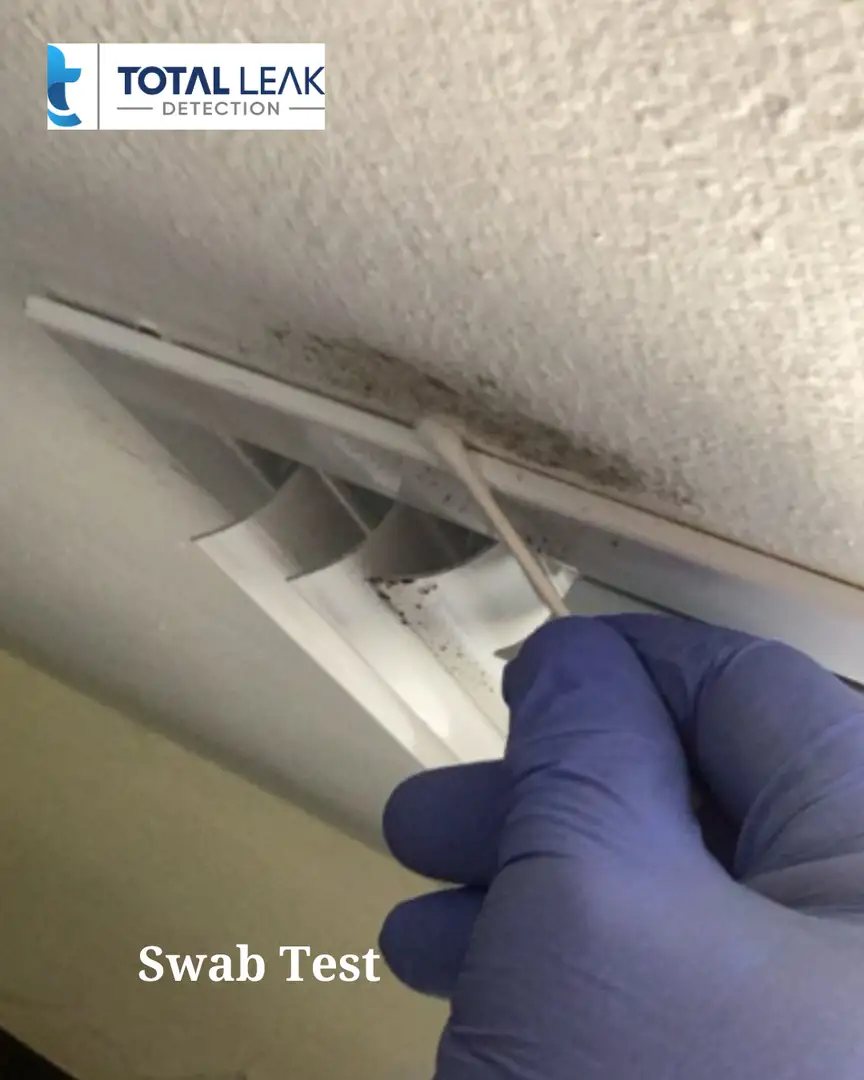
The only way to know for sure whether or not there is mold present in your home is to have it tested. Mold testing involves collecting samples of the air or surfaces in your home and testing them in a lab for the presence of mold. If mold is detected, a professional can then help …
Read More