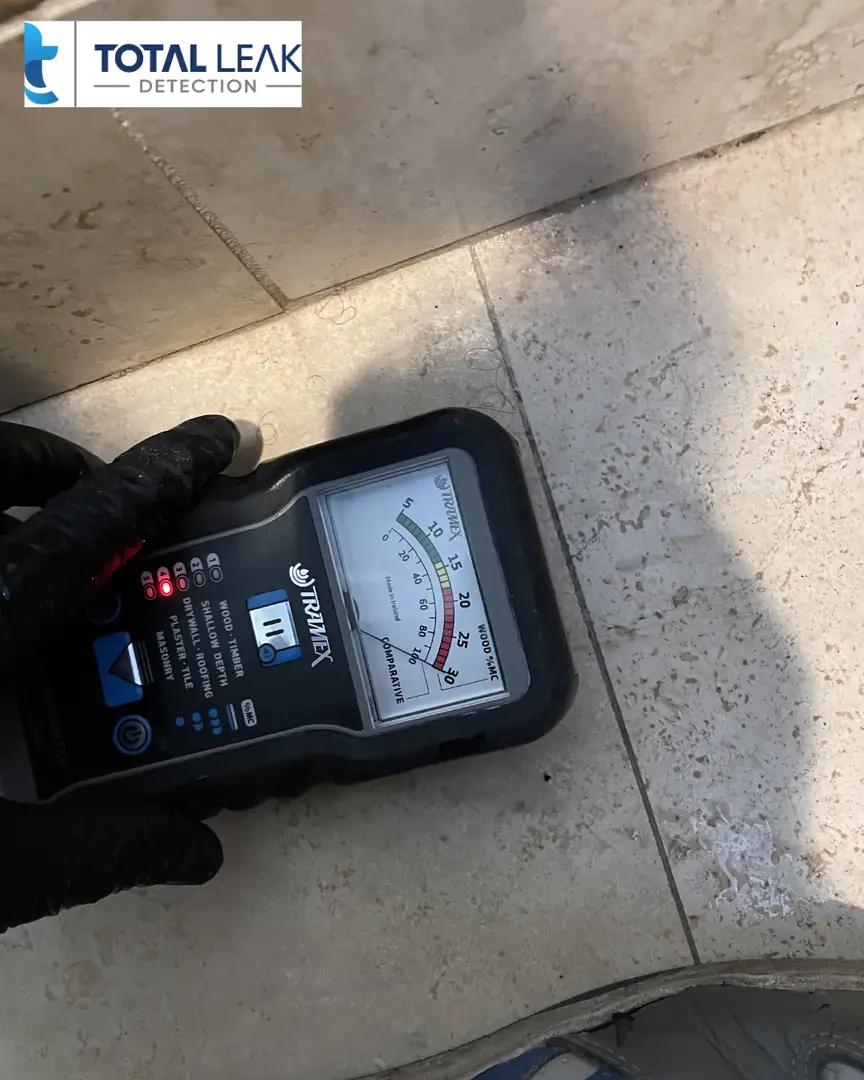
The evolution of leak detection from destructive exploration to precision diagnostics represents one of the most significant advances in building maintenance technology. Traditional leak investigation often meant cutting holes in walls, breaking through floor tiles, or excavating yards in search of the water source. Modern non-invasive methods eliminate most of this damage by using physics-based detection equipment that locates leaks through intact surfaces.
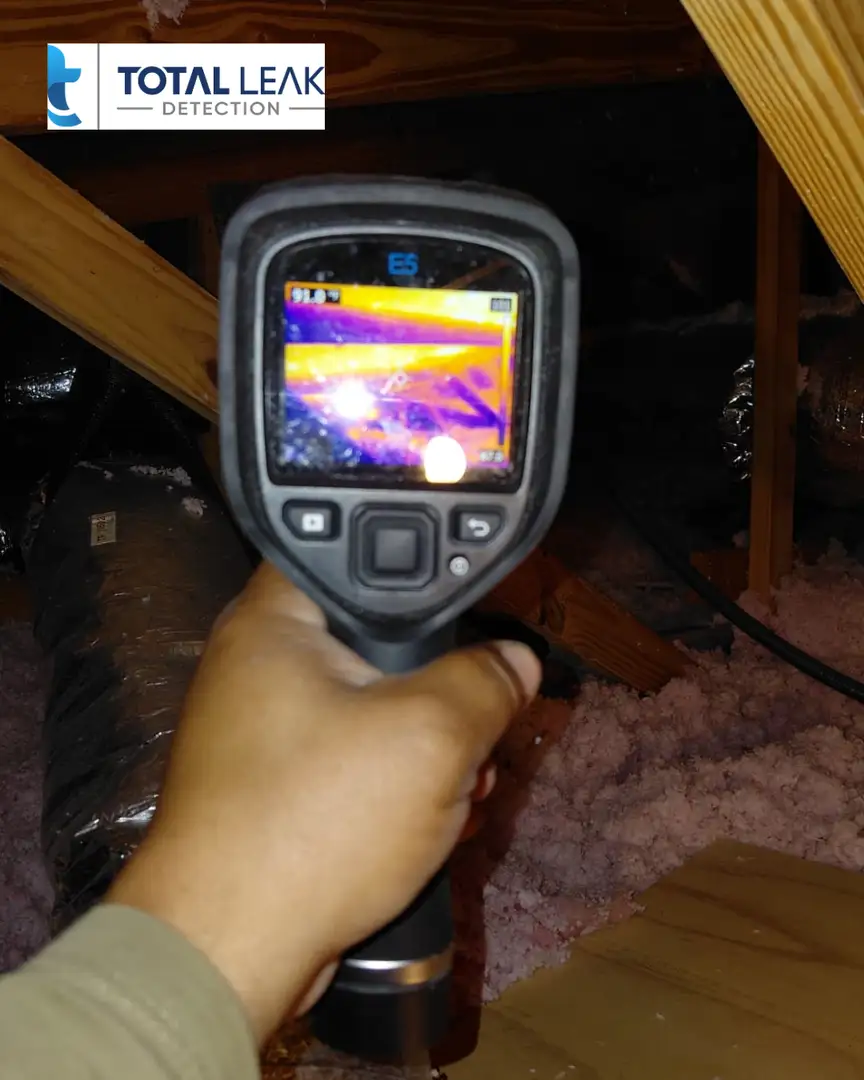
Non-invasive detection relies on several complementary technologies. Acoustic listening devices amplify the sound of water escaping under pressure, allowing technicians to trace leak sounds through walls, floors, and underground. Thermal imaging cameras detect temperature differentials created when leaking water evaporates or when hot water supply lines lose heat through saturated materials. Tracer gas testing introduces safe gases into pressurized systems—these gases escape through leak points and can be detected at the surface using sensitive sensors.
The accuracy of non-invasive methods depends heavily on technician expertise and understanding of building construction. Water behaves unpredictably once it escapes containment, traveling along paths of least resistance that may lead far from the leak origin. Experienced technicians combine multiple detection methods, knowledge of plumbing layout, and understanding of building materials to interpret what their equipment reveals.
Certain situations still require exploratory access. When water damage has spread extensively or when multiple leak sources exist simultaneously, visual confirmation becomes necessary. However, skilled diagnostics can minimize access points to small inspection holes rather than wholesale demolition. The goal remains identifying the leak location with sufficient confidence to repair it correctly the first time.
Non-invasive detection also supports preventive maintenance. Periodic thermal scans of plumbing systems can identify developing problems—corroding pipes, failing supply line connections, or moisture accumulation behind surfaces—before they progress to active leaks. This proactive approach catches problems during their early stages when repairs are simpler and damage is minimal.
Articles tagged with Non-Invasive Detection explore specific detection technologies, their applications and limitations, and how building construction affects diagnostic approaches.