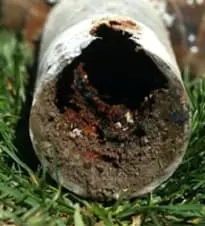
The Complete Guide to Drain Cleaning and Maintenance
Clogged drains are more than an inconvenience—they're a warning sign that your plumbing needs attention. Left untreated, drain problems escalate from slow drainage to complete blockages, sewage backups, and costly repairs. Understanding how to maintain your drains and when to call professionals keeps your plumbing flowing smoothly and prevents emergencies.
This comprehensive guide covers everything Florida homeowners need to know about drain cleaning: why drains clog, how to prevent problems, the difference between DIY and professional methods, and how to choose the right solution for your situation.
Need drain cleaning now? Contact Total Leak Detection for professional drain cleaning services available 24/7.
Table of Contents
- What To Do Immediately During a Drain Emergency
- Why Drains Clog
- Types of Drain Problems
- DIY Drain Cleaning Methods
- Professional Drain Cleaning Options
- How Long Does Professional Drain Cleaning Take?
- Hydro Jetting vs. Snaking
- Drain Cleaning Costs
- Preventing Drain Problems
- Related Articles
What To Do Immediately During a Drain Emergency
If you are experiencing a severe backup or sewage coming up through your drains, taking immediate action is critical to minimize damage and health risks.
- Stop Using Water: Immediately turn off all faucets, showers, and water-using appliances (like washing machines and dishwashers).
- Shut Off the Main Water Valve: If the backup is severe or water is overflowing, locate your home's main water shut-off valve and turn it off to prevent further flooding.
- Avoid Chemical Cleaners: Do not pour harsh chemical drain cleaners down the sink or toilet, as they can cause chemical burns, damage older pipes, and make it dangerous for professionals to work on the line.
- Evacuate the Area: If sewage is backing up into your home, keep family members and pets away from the contaminated water.
- Call for Emergency Service: Contact a 24/7 professional plumber or leak detection specialist immediately to address the root cause and safely clear the blockage.
Why Drains Clog
Understanding what causes clogs helps you prevent them and choose the right cleaning approach.
Common Clog Culprits
Kitchen Drains
- Grease and cooking oils: Solidify as they cool, coating pipe walls
- Food particles: Even with garbage disposals, debris accumulates
- Soap scum: Combines with grease to form stubborn deposits
- Coffee grounds: Don't break down and accumulate over time
Bathroom Drains
- Hair: The #1 cause of bathroom clogs, combines with soap to form masses
- Soap residue: Creates sticky buildup that catches other debris
- Toothpaste and personal products: Contribute to gradual buildup
- Hygiene products: Items that should never be flushed
Learn more: Expert Tips to Prevent and Fix Clogged Kitchen Sinks
Deeper System Issues
Main line problems:
- Tree root intrusion
- Pipe deterioration and corrosion
- Bellied or sagging pipes
- Buildup from years of use
Venting issues:
- Blocked vent pipes affect drainage throughout the house
- Can cause gurgling, slow drains, and odors
Learn more: Why Your Toilet Bubbles When Your Washing Machine Drains
Florida-Specific Factors
- Hard water: Mineral deposits narrow pipes over time
- Older plumbing: Many Florida homes have 30-50 year old drain systems
- Tree roots: Year-round growing season means aggressive root intrusion
- Heavy use: Frequent entertaining and guests stress plumbing systems
Types of Drain Problems
Slow Drains
Water drains, but takes longer than normal. Usually indicates:
- Partial blockage developing
- Buildup narrowing the pipe
- Venting problems
- Multiple drains slow = main line issue
Complete Blockages
Water won't drain at all. Causes include:
- Solid obstruction (foreign object, collapsed pipe)
- Severe buildup
- Tree root mass
- Main line backup
Recurring Clogs
The same drain clogs repeatedly. Suggests:
- Underlying problem not fully addressed
- Pipe damage trapping debris
- Root intrusion that keeps growing back
- Improper usage habits
Multiple Drain Problems
Several drains affected simultaneously indicates:
- Main sewer line issue
- Venting problem
- Septic system backup (if applicable)
Gurgling and Odors
Strange sounds or sewage smells signal:
- Venting issues
- Partial blockages
- Sewer gas escaping through dry traps
- Main line problems
Learn more: Eliminating Air Pockets: Effective Solutions for Air in Water Pipes
DIY Drain Cleaning Methods
Some drain issues respond to home remedies, but know when to stop and call professionals.
Safe DIY Approaches
Boiling Water Effective for minor grease buildup. Pour slowly, let it work, repeat if needed. Don't use on PVC pipes with standing water—trapped boiling water can soften plastic.
Baking Soda and Vinegar A gentle, pipe-safe option:
- Pour 1/2 cup baking soda down the drain
- Follow with 1/2 cup white vinegar
- Cover and wait 15-30 minutes
- Flush with hot water
Plunger Proper technique matters:
- Use a flange plunger for toilets
- Use a cup plunger for sinks
- Ensure good seal before plunging
- Push and pull vigorously
Drain Snake (Hand Auger) For accessible clogs:
- Insert carefully to avoid pipe damage
- Rotate while pushing forward
- Pull out debris, don't push it deeper
- Clean thoroughly after use
What to Avoid
Chemical Drain Cleaners Most plumbers discourage chemical cleaners because they:
- Can damage pipes, especially older systems
- Create dangerous fumes
- Often don't solve the real problem
- Harm septic systems
- Make professional work more dangerous
Learn more: The Ultimate Guide to Effective Drain Cleaners: What Really Works?
When DIY Isn't Enough
Stop and call professionals if:
- DIY methods don't resolve the problem
- The clog returns within days or weeks
- Multiple drains are affected
- You suspect main line issues
- There are sewage odors
- Water backs up into other fixtures
Professional Drain Cleaning Options

Mechanical Snaking (Augering)
How it works: A motorized cable with cutting head is fed into the drain to break through blockages.
Best for:
- Localized clogs
- Hair and debris accumulation
- Immediate relief needed
- Budget-conscious solutions
Limitations:
- Clears the path but doesn't clean pipe walls
- May not remove all buildup
- Roots will grow back
Hydro Jetting
How it works: High-pressure water (3,000-4,000+ PSI) scours pipe walls, removing all buildup and obstructions.
Best for:
- Severe buildup and grease
- Tree root cutting
- Complete pipe cleaning
- Long-term results
- Preventive maintenance
Benefits:
- Cleans entire pipe diameter
- Removes roots, grease, scale completely
- Longest-lasting results
- Environmentally friendly (just water)
Video Camera Inspection

Often combined with cleaning to:
- Diagnose the problem before cleaning
- Verify results after cleaning
- Identify pipe damage that cleaning won't fix
- Locate problems precisely
Learn more: Complete Guide to Sewer Camera Inspections
How Long Does Professional Drain Cleaning Take?
A common question homeowners ask is how long the drain cleaning process takes. The timeline depends entirely on the method used, the severity of the clog, and the accessibility of your plumbing system.
- Standard Mechanical Snaking: For a typical localized clog (such as a blocked bathroom sink or shower), professional snaking usually takes between 30 to 60 minutes.
- Hydro Jetting Services: Because it involves setting up specialized high-pressure equipment and thoroughly scouring the entire pipe interior, hydro jetting typically takes 1 to 2 hours.
- Main Sewer Line Clearing: If the blockage is in your main sewer line and involves heavy tree root intrusion or severe grease buildup, the process can take 2 to 3 hours—especially if a video camera inspection is performed simultaneously to verify the line is clear.
Emergency situations may require additional time for cleanup and assessing any resulting water damage.
Hydro Jetting vs. Snaking
Choosing the right method depends on your situation.
When to Choose Snaking
- Budget concerns: Snaking costs less
- Minor clogs: Simple blockages respond well
- Quick fix needed: Faster to complete
- Fragile pipes: Less pressure on older systems
- Access limitations: Works in tighter spaces
When to Choose Hydro Jetting
- Grease buildup: Water pressure cuts through grease snaking can't
- Root intrusion: High pressure cuts roots effectively
- Recurring problems: Thorough cleaning prevents quick return
- Commercial kitchens: Essential for grease management
- Preventive maintenance: Best for keeping clean pipes clean
- Complete cleaning: When you want pipes as clean as possible
Cost-Benefit Comparison
| Factor | Snaking | Hydro Jetting |
|---|---|---|
| Initial Cost | Lower ($100-$300) | Higher ($300-$600) |
| Effectiveness | Good for simple clogs | Superior for all issues |
| Duration of Results | Shorter | Longer-lasting |
| Pipe Cleaning | Minimal | Complete |
| Best For | Quick fixes | Long-term solutions |
Drain Cleaning Costs
Typical Price Ranges
Basic drain cleaning:
- Single drain snaking: $100-$200
- Main line snaking: $150-$300
- Toilet auger: $100-$175
Hydro jetting:
- Residential: $300-$600
- Main line: $350-$700
- Commercial: $500-$1,000+
Video inspection (often bundled):
- Add $100-$300 when combined with cleaning
Factors Affecting Cost
- Severity of clog: Stubborn blockages take longer
- Location: Main line vs. fixture drains
- Access: Easy cleanout access vs. pulling toilets
- Method required: Snaking vs. jetting
- Time of service: Emergency/after-hours rates
- Pipe condition: Damaged pipes may limit options
Value Perspective
Investing in proper drain cleaning prevents:
- Emergency plumber visits ($300-$500+ after hours)
- Water damage restoration ($3,000-$8,000+)
- Pipe replacement ($3,000-$25,000+)
- Business interruption (priceless)
Preventing Drain Problems
The best drain cleaning is the one you never need. Prevention is far cheaper than repair.
Kitchen Best Practices
Never pour down drains:
- Cooking grease or oil (dispose in trash)
- Coffee grounds
- Eggshells
- Pasta, rice, or starchy foods
- Fibrous vegetables
Do:
- Run hot water after each use
- Use drain screens
- Clean garbage disposal regularly
- Wipe greasy pans before washing
Bathroom Best Practices
Protect your drains:
- Use hair catchers in showers and tubs
- Don't flush anything but toilet paper
- Run water while shaving to flush whiskers
- Clean pop-up stoppers monthly
Regular maintenance:
- Flush drains with hot water weekly
- Use enzyme cleaners monthly (not chemical)
- Remove visible hair from drain covers
Whole-House Strategies
Preventive professional service:
- Annual or bi-annual professional cleaning for older homes
- Camera inspection every 3-5 years
- Address slow drains before they become clogs
Know your system:
- Locate your cleanouts
- Know what your pipes are made of
- Understand where your sewer line runs
When It's More Than a Clog
Sometimes drain problems indicate bigger issues that cleaning alone won't solve.
Signs of Pipe Damage
- Clogs that return within weeks despite professional cleaning
- Visible pipe corrosion at exposed sections
- Sinkholes or wet spots in yard
- Foundation cracks
- Sewage odors that persist after cleaning
When You Need More Than Cleaning
- Bellied pipes: Sagging sections need repair or replacement
- Root damage: Cleaning helps but damaged pipes need attention
- Corroded pipes: Eventually need replacement
- Collapsed sections: Require excavation and repair
Related Services
- Sewer Camera Inspection - See what's causing problems
- Leak Detection - Find related water issues
- Damaged Sewer Repair - Fix underlying pipe problems
Related Articles
Explore more resources from our drain cleaning experts:
Understanding Drain Problems
- Expert Tips to Prevent and Fix Clogged Kitchen Sinks
- The Ultimate Guide to Effective Drain Cleaners: What Really Works?
- Why Your Toilet Bubbles When Your Washing Machine Drains
Plumbing System Health
- Eliminating Air Pockets: Effective Solutions for Air in Water Pipes
- Complete Guide to Sewer Camera Inspections
Related Guides
Keep Your Drains Flowing
Don't let drain problems disrupt your life or damage your property. Whether you need emergency service for a backup or preventive maintenance to avoid future problems, professional drain cleaning pays for itself in prevented damage and peace of mind.
Total Leak Detection provides comprehensive drain cleaning services throughout South Florida:
- ✅ Professional snaking and hydro jetting
- ✅ Video camera inspection
- ✅ 24/7 emergency service
- ✅ 40+ years of experience
- ✅ Licensed and insured (CFC1430460)
Clear drains. Clean pipes. Complete peace of mind.
Schedule Your Drain Cleaning Service
Total Leak Detection – Florida's Trusted Drain Cleaning Experts Since 1980
Frequently Asked Questions
What is the difference between snaking and hydro jetting?
Snaking uses a mechanical auger to punch a hole through a clog, which is effective for simple blockages but leaves residue on pipe walls. Hydro jetting uses high-pressure water to completely scour the inside of the pipes, removing grease, scale, and tree roots, providing a longer-lasting solution.
Are chemical drain cleaners safe for my plumbing?
No, most professional plumbers advise against using chemical drain cleaners. They use harsh chemicals that can generate heat and corrode older pipes, disrupt septic systems, and pose a danger to plumbers who later work on the line.
How often should I have my drains professionally cleaned?
For most homes, a professional drain cleaning and inspection every 2 to 3 years is sufficient. However, older homes, properties with large trees, or commercial kitchens may require annual or bi-annual preventive cleaning.
Why do multiple drains in my house clog at the same time?
If multiple fixtures (like a toilet, sink, and shower) are backing up simultaneously, it usually indicates a blockage in your main sewer line rather than a localized clog. This requires immediate professional attention to prevent sewage backup.