Are DIY Leak Detection Tools Reliable?
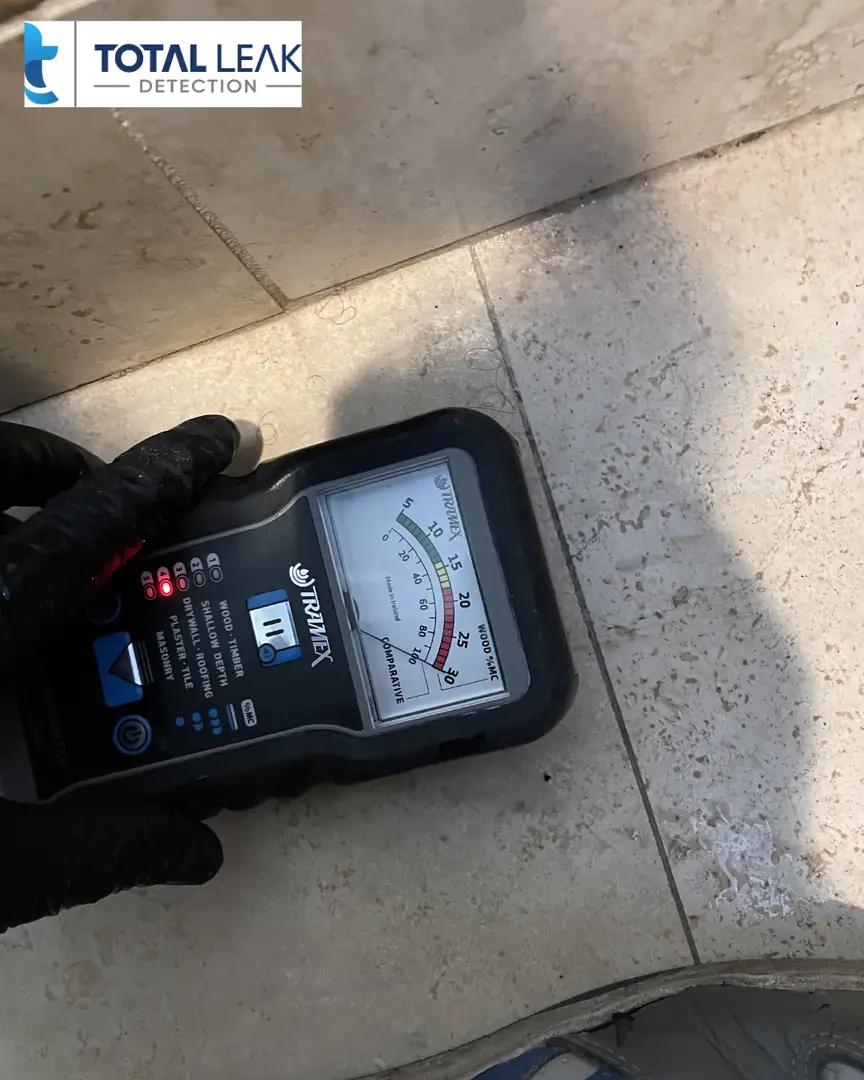
Are DIY Leak Detection Tools Reliable?
DIY leak detection tools can help with simple checks—like watching the meter or listening at fixtures—but they often cannot pinpoint leaks behind walls or under the slab. For hidden or persistent leaks, professional equipment and experience are more reliable. Knowing the limits of DIY methods helps you decide when to call a specialist.
What DIY Methods Can Do
Simple DIY checks can confirm that a leak exists. Turning off all fixtures and watching the water meter: if the meter moves, water is going somewhere. Listening at fixtures or walls for hissing or dripping can sometimes reveal an obvious leak. Checking under sinks, around toilets, and at visible pipes for moisture or stains can identify leaks in accessible areas. These steps are useful for ruling out or confirming that you have a problem and for finding leaks that are in plain view.

They rarely pinpoint a leak that is behind a wall, under a slab, or in a buried line. Consumer-grade thermal cameras exist but are less sensitive and less interpretable than professional equipment; acoustic listening requires trained ears and often correlators that homeowners do not have. Professional leak detection uses acoustic, thermal, and electronic methods to locate slab leak and pipe burst issues. If DIY checks suggest a leak but you cannot find it, schedule an inspection so the source can be located before you open walls or floors.
When to Stop DIY and Call a Professional
If you have run the meter test and it shows movement with all water off, or you hear running water when nothing is on, and you cannot find the source after checking visible pipes and fixtures, the next step is professional leak detection. Continuing to guess or opening walls at random can waste time and money. A single inspection usually provides a documented location so you can plan one targeted repair. The cost of the inspection is often less than the cost of one unnecessary wall or floor opening.
What Professional Equipment Adds
Professional leak detection uses ground microphones and correlators that can trace leak sounds to within a few feet along the pipe; thermal cameras that show temperature patterns from moisture behind walls or under slabs; and sometimes pipe tracers to map line locations. These tools are calibrated and operated by trained technicians who know how to interpret results and combine methods. For slab leak and pipe burst situations, that level of precision is what allows a single, small repair instead of multiple exploratory openings. If DIY checks suggest a leak, scheduling an inspection is the next logical step.
Summary
DIY leak detection tools can confirm that a leak exists and sometimes find obvious leaks at fixtures. They cannot reliably pinpoint leaks behind walls or under slabs. For hidden or persistent leaks, professional equipment and experience are more reliable. Schedule an inspection when DIY checks suggest a leak but you cannot locate the source.