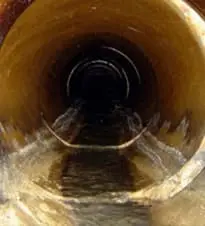
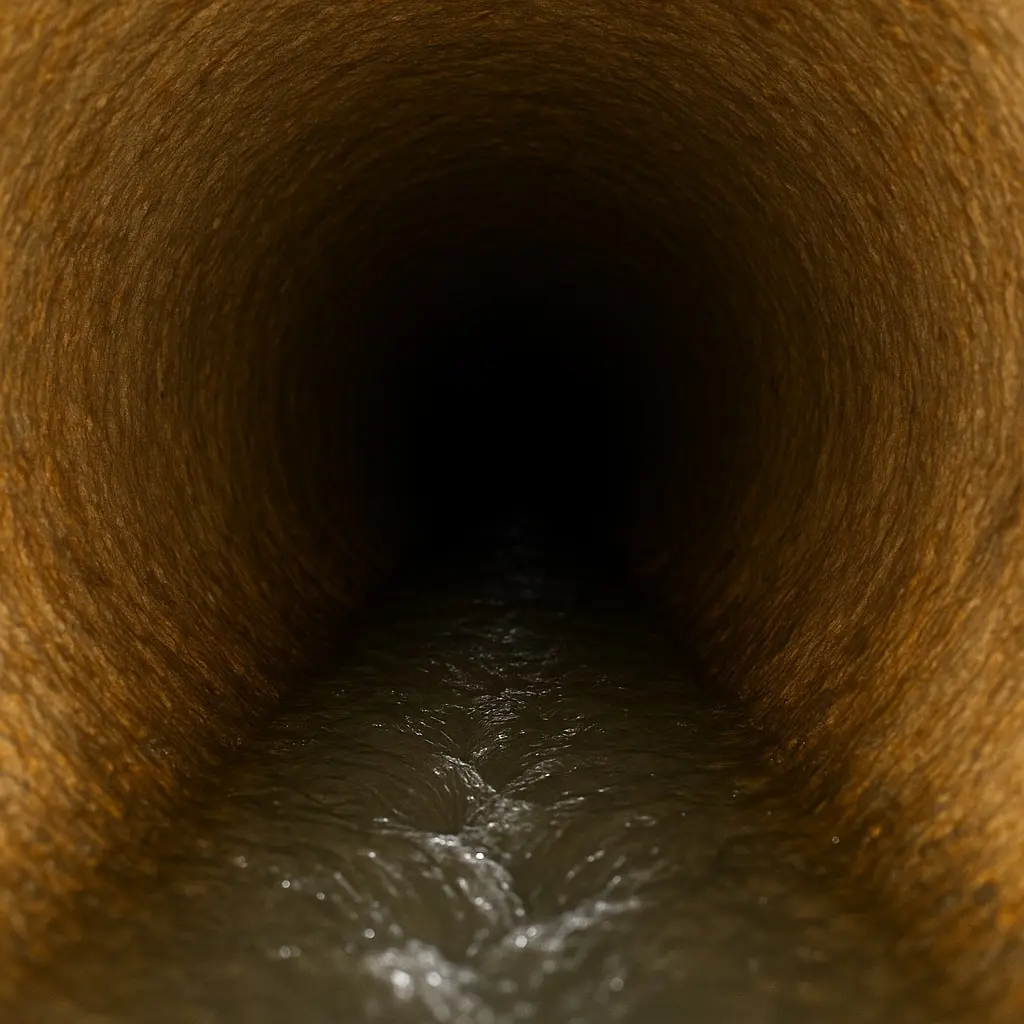
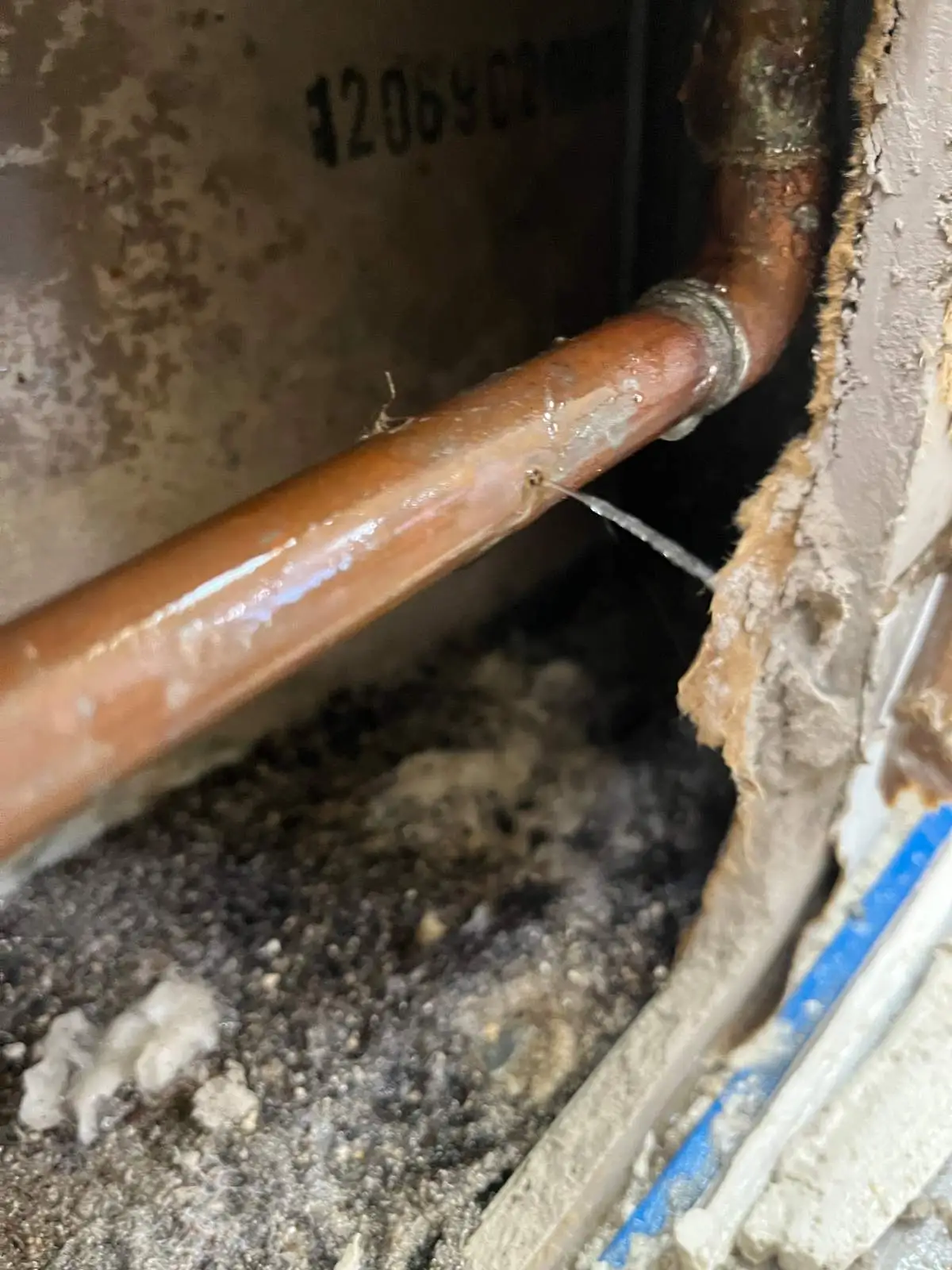
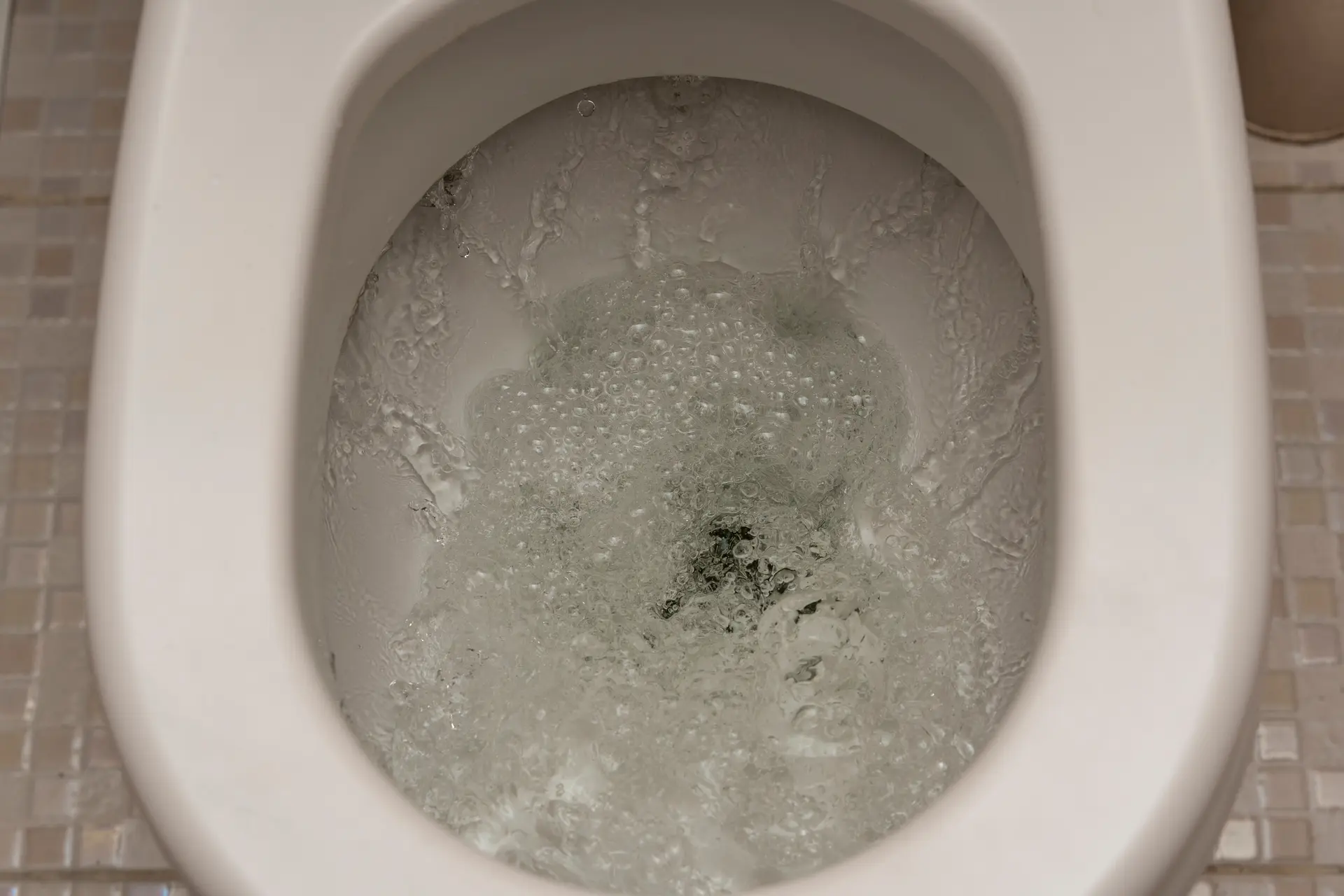
Drain systems operate on simple principles—gravity moves wastewater from fixtures through progressively larger pipes until reaching the municipal sewer or septic system. Yet these systems develop problems when accumulations restrict flow or obstructions block passages entirely. Understanding how drains function, why they clog, and what cleaning methods address different situations helps property owners maintain reliable drainage and avoid emergency backups.
Clogs form through gradual accumulation rather than single events in most cases. Kitchen drains collect grease that solidifies on pipe walls, trapping food particles and building up over time. Bathroom drains gather hair and soap residue that form increasingly dense blockages. These progressive buildups often go unnoticed until water drains slowly or stops flowing altogether.
Different cleaning approaches suit different situations. Chemical drain cleaners offer convenience but carry significant drawbacks—they can damage pipes, harm septic systems, and create safety hazards. Mechanical methods like plunging work for minor clogs near fixture drains. Drain snakes or augers reach further into systems to break through or retrieve obstructions. Hydro jetting uses high-pressure water to scour pipe interiors clean, removing not just immediate blockages but accumulated buildup throughout accessible sections.
The distinction between drain lines and sewer lines matters for cleaning approaches. Drain lines within buildings typically range from 1.5 to 4 inches in diameter and connect individual fixtures to the main building drain. Sewer laterals—the lines connecting buildings to municipal sewers—run larger, typically 4 to 6 inches, and face different challenges including root intrusion and ground movement.
Preventive maintenance reduces clog frequency significantly. Simple practices—avoiding grease disposal in drains, using strainers to catch hair and debris, running hot water after sink use—extend intervals between professional cleaning. For commercial properties with heavy drain usage, scheduled maintenance prevents disruptions to operations.
The articles here explore drain system fundamentals, cleaning technologies, prevention strategies, and the relationship between drain problems and larger plumbing system issues.