Can Leak Detection Find Leaks Without Cutting Walls?
Can Leak Detection Find Leaks Without Cutting Walls?
Yes. Professional leak detection can find leaks behind walls using acoustic listening, thermal imaging, and electronic correlators—without opening the wall first. Once the leak is located, repairs can be limited to a small area. That reduces unnecessary damage and keeps repair costs and disruption to a minimum.
How Leaks Are Found Without Opening Walls
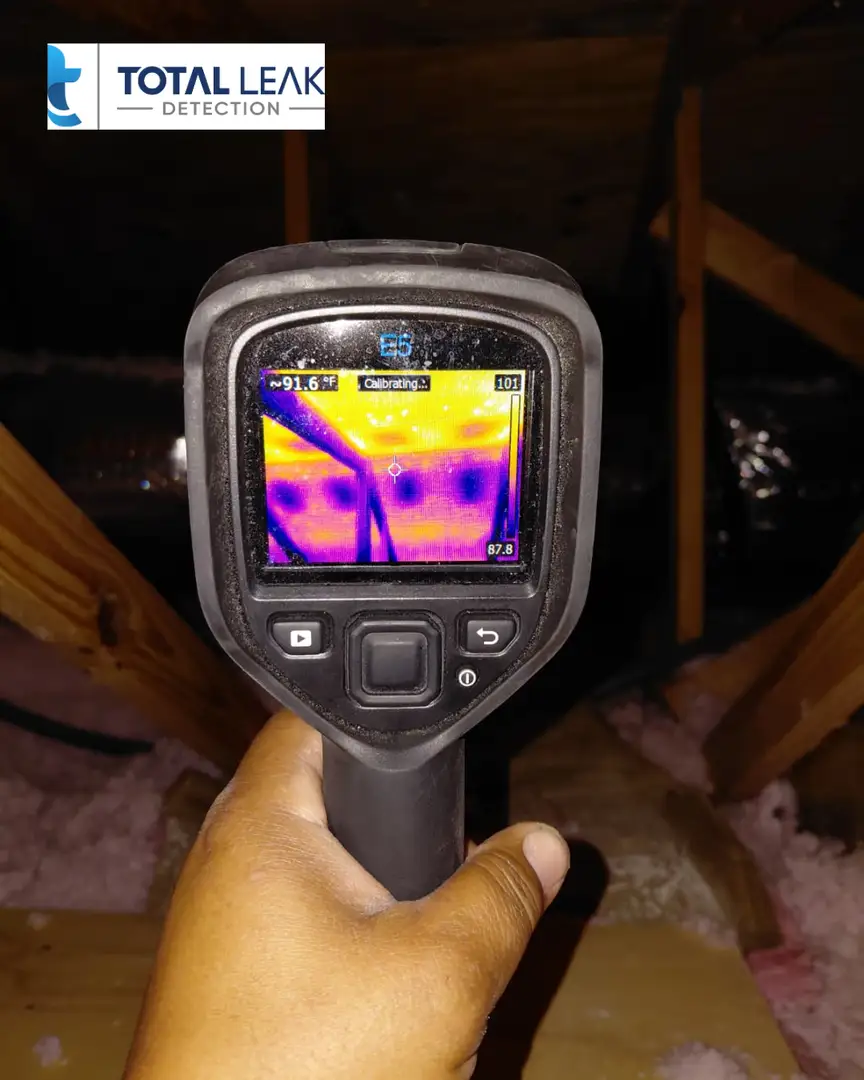
Technicians use several non-invasive methods to locate leaks behind walls. Acoustic listening devices pick up the sound of water escaping from pipes—often a hiss or drip that is inaudible to the ear but detectable with sensitive equipment. Thermal imaging cameras detect temperature differences: wet areas or water flow can appear cooler or warmer than surrounding materials, depending on the situation. Electronic correlators use sensors placed at two points on the pipe (for example, at fixtures) and analyze the time it takes for the leak sound to reach each sensor, which helps pinpoint the leak location along the line.

None of these methods requires cutting into the wall to find the leak. Once the location is known, the repair can be limited to a single access point—for example, a small cutout in the drywall—instead of opening multiple areas. Professional leak detection helps avoid unnecessary damage for slab leak and pipe burst situations as well. Schedule an inspection if you suspect a leak behind a wall so the source can be pinpointed before any repair work begins.
What Happens After the Leak Is Located
Once the technician has pinpointed the leak, you will typically receive a report or markout showing the location—often with a distance from a reference point (such as a fixture or cleanout). You can then share this with your plumber so the repair is limited to one small opening in the wall instead of multiple exploratory cuts. In many cases, a single cutout—just large enough to access the leaking section—is all that is needed. That keeps repair cost down and minimizes the area that needs to be repainted or refinished.
When Non-Invasive Location Is Especially Valuable
Non-invasive location is especially valuable when the leak could be in several different walls or floors—for example, when you hear water but cannot tell which room or which wall. It is also useful when you want to avoid opening finished surfaces until you know exactly where to cut, or when you need a documented location for insurance or for a contractor. Professional leak detection gives you that precision for slab leak and pipe burst as well, so repair can be targeted and minimal.
Bottom Line
Yes—professional leak detection can find leaks without cutting walls by using acoustic, thermal, and electronic methods. That non-invasive approach reduces damage and repair cost. If you hear water behind a wall or see moisture with no visible source, schedule an inspection so the leak can be located and repaired with minimal disruption.
Frequently Asked Questions
- Can leak detection find leaks without cutting walls?
- Yes. Professional leak detection uses acoustic listening devices, thermal imaging, and electronic correlators to locate leaks behind walls without opening them. Once the leak is pinpointed, repairs can be targeted to a small area instead of cutting blindly.