Can Thermal Cameras Detect All Types of Water Leaks?
Can Thermal Cameras Detect All Types of Water Leaks?
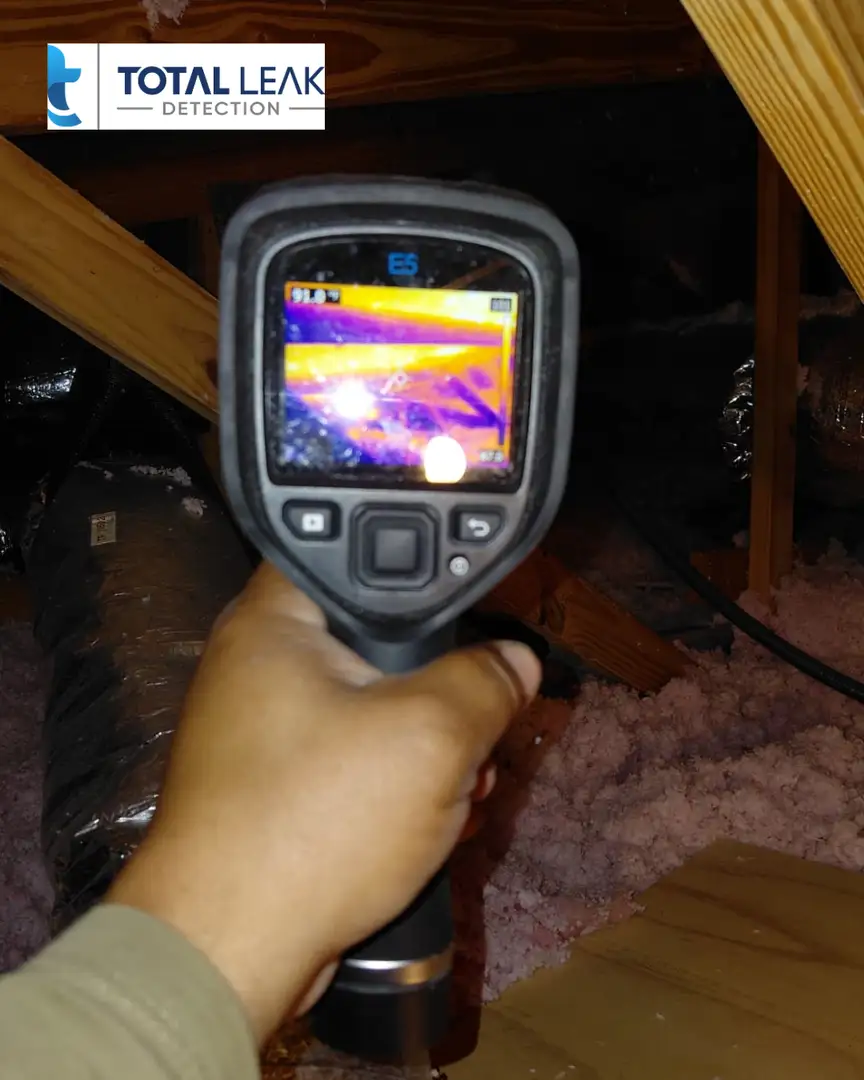
Thermal cameras cannot detect every type of water leak. They show temperature differences, so they are most useful for hot water leaks or cool, wet areas. Small cold-water leaks or deep slab leak issues may need acoustic or electronic methods. Professional leak detection often combines thermal imaging with other tools for the best results.
What Thermal Cameras Can and Cannot See
Thermal (infrared) cameras detect differences in surface temperature. They work well when a leak creates a clear temperature signature—for example, hot water from a broken line heating a section of floor or wall, or cool spots where moisture is evaporating. They can also reveal moisture behind walls or under flooring when that moisture creates a temperature contrast. So thermal cameras are very useful for many hidden leaks, especially hot water lines and slab leaks where the escaping water warms the slab.

They are less reliable for small cold-water leaks that do not create much temperature change, or for leaks deep under a thick slab where the surface temperature does not change noticeably. In those cases, acoustic listening or electronic correlators may be more effective. Professional leak detection uses thermal imaging along with other tools to locate pipe burst and hidden leaks. Schedule an inspection so the right method—or combination of methods—is used for your situation.
Why Professionals Use Multiple Methods
Because no single method detects every type of leak, professional leak detection typically relies on a combination of tools. The technician may start with thermal imaging to scan walls or floors for temperature patterns, then use acoustic equipment to listen for the sound of water, or use correlators to pinpoint the location along the pipe. That approach increases the chance of finding the leak regardless of whether it is hot or cold water, near the surface or deeper. When you schedule an inspection, the goal is to locate the leak—using whatever methods are best for your situation—so repair can be targeted.
When Thermal Imaging Shines
Thermal imaging is especially useful for slab leak where hot water lines run under the floor—the escaping water can warm the slab surface and show up clearly on the camera. It also helps when moisture behind a wall has created a temperature difference you can scan from the room side. For cold-water leaks in walls, acoustic or correlator methods are often the primary tool, with thermal used to confirm or narrow the area. Professional leak detection will choose and combine methods based on your pipe layout and the type of leak suspected.
Summary
Thermal cameras cannot detect all types of water leaks; they work best for hot water leaks and moisture that creates temperature differences. For cold-water leaks or deep slab leaks, acoustic or electronic methods are often used instead or in addition. Professional leak detection uses the right combination of methods for your case, so schedule an inspection to get an accurate location before repair.
Frequently Asked Questions
- Can thermal cameras detect all types of water leaks?
- No. Thermal cameras detect temperature differences, so they work best for hot water leaks or cold spots from moisture. They may miss small cold-water leaks or leaks deep under slab. Professional leak detection often combines thermal imaging with acoustic or electronic methods for full coverage.