How Much Water Damage Can a Slow Leak Cause?
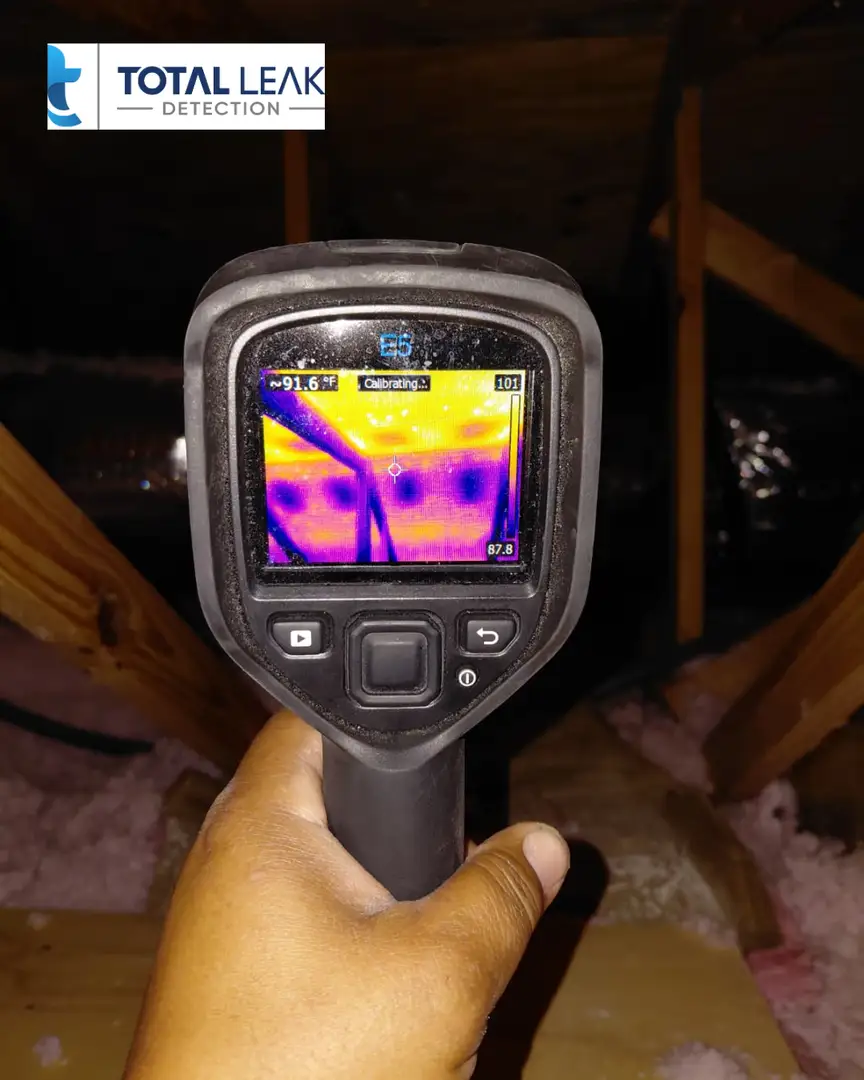
How Much Water Damage Can a Slow Leak Cause?
A slow leak can cause serious damage over time: mold, rot in framing or subfloor, stains, warped flooring, and in severe cases structural or foundation issues. The longer it goes unrepaired, the higher the cost and risk. Even a small, steady drip can add up to significant damage over months or years.
How Slow Leaks Cause Damage
A slow leak may produce only a small amount of water at any moment, but that water accumulates. Behind a wall or under flooring, it soaks into drywall, subfloor, and framing. Over time, that moisture supports mold growth, which can spread and affect indoor air quality. Wood can rot, drywall can soften and crumble, and flooring can warp or buckle. Stains and odors often appear only after damage is already underway. If the leak is under a slab or near the foundation, water can erode soil or cause soil movement, leading to cracks in the slab or foundation and in severe cases structural issues.

Professional leak detection finds the source so it can be repaired early. Ignoring a slab leak or toilet leak can turn a small fix into a major project. Schedule an inspection as soon as you suspect a leak so the problem can be located and repaired before damage escalates.
Why Even a Drip Adds Up
A single drip may seem minor, but over weeks and months the water adds up. That moisture can soak into drywall, subfloor, and framing, creating an environment for mold and rot. In slab leaks, a slow leak can pump hundreds of gallons under the foundation over time, affecting soil stability. The damage is often hidden until it is significant—stains, odors, or soft spots—so do not assume a small leak is harmless. Finding and repairing it early is the best way to limit damage and cost.
When to Suspect a Slow Leak and Act
Do not wait for visible flooding. Signs of a slow leak include a water bill that creeps up without a clear reason, musty odors, soft or discolored spots on walls or floors, or the sound of water when no fixture is on. If you notice any of these, schedule professional leak detection so the source can be located and repaired before damage grows. Early repair limits the scope of slab leak or toilet leak damage and reduces the chance of mold and structural issues that are much costlier to fix later.
Summary
A slow leak can cause serious damage over time: mold, rot, stains, warped flooring, and in severe cases structural or foundation issues. The longer it goes unrepaired, the higher the cost and risk. Schedule leak detection as soon as you suspect a leak so the source can be found and repaired early.
Frequently Asked Questions
- How much water damage can a slow leak cause?
- A slow leak can cause significant damage over time—mold growth, rot in framing or subfloor, stains, warped flooring, and in severe cases structural or foundation issues. The longer the leak continues, the higher the repair cost and health risk. Professional leak detection finds the source so it can be repaired early.