Hydro Jetting vs. Drain Snaking: Which Is Right for Your Clog?
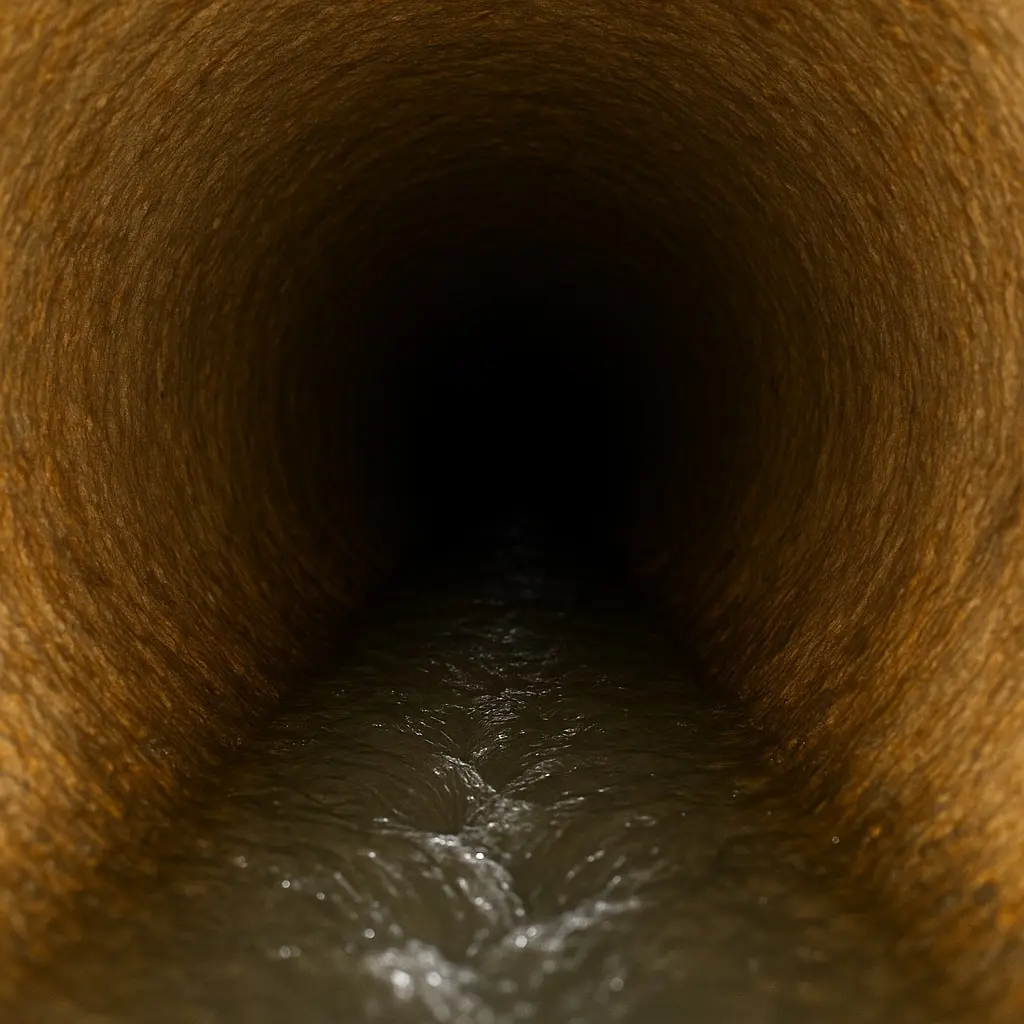
Hydro Jetting vs. Drain Snaking: Which Is Right for Your Clog?
When a drain clogs, you have options beyond the plunger. Professional drain cleaning typically involves one of two methods: drain snaking (also called augering or mechanical cleaning) or hydro jetting (high-pressure water cleaning).
Both methods have their place, but they work very differently and are suited for different situations. Understanding the pros and cons of each helps you—or your plumber—choose the right approach for your specific problem.
How Drain Snaking Works
A drain snake (also called a drain auger) is a long, flexible metal cable with a corkscrew or blade attachment at the end. The plumber feeds this cable into the drain until it reaches the clog, then rotates the cable to either:
- Break through the obstruction — Punching a hole through the blockage
- Hook and retrieve — Pulling the clog material back out
- Cut through roots — Specialized cutting heads can sever roots inside pipes
Types of Drain Snakes
Hand snakes (manual augers):
Small, handheld devices for minor clogs in sinks and tubs. Limited reach (typically 25-50 feet).
Drum machines:
Motor-powered snakes with longer cables (50-100+ feet) for main lines and deeper clogs.
Sectional machines:
Professional-grade equipment with interchangeable cables for different pipe sizes and clog types.
What Snaking Does Well
- Breaks through or retrieves solid obstructions
- Works immediately—clears the line so water flows
- Effective for hair, debris, small root intrusions
- Lower cost for simple clogs
- Safe for most pipe materials and conditions
Limitations of Snaking
- Creates a path through the clog, but doesn't clean the entire pipe
- Residue remains on pipe walls—clogs often return
- Can't remove grease, scale, or builite buildup
- May not fully clear severe clogs
- Can potentially damage older or fragile pipes if used aggressively
How Hydro Jetting Works
Hydro jetting uses highly pressurized water (typically 3,000-4,000 PSI or more) delivered through a specialized nozzle to scour the inside of pipes. The nozzle sprays water in multiple directions, blasting away:
- Grease and oil buildup
- Soap scum and mineral deposits
- Tree roots (in many cases)
- Sludge and sediment
- Bacterial buildup
The Hydro Jetting Process
- Camera inspection first — A sewer camera inspection determines pipe condition and clog location
- Access point identification — Usually through a cleanout or removed toilet
- Jetting — The nozzle is fed through the line while high-pressure water scours pipes clean
- Verification — Camera inspection confirms the line is clear
What Hydro Jetting Does Well
- Cleans the entire pipe interior, not just the blockage
- Removes buildup that causes future clogs
- Eliminates grease, which snaking can't address effectively
- Cuts through tree roots and flushes debris away
- Results last longer because pipe walls are clean
- Environmentally friendly—uses only water, no chemicals
- Cleans pipes back to near-original condition
Limitations of Hydro Jetting
- Higher cost than basic snaking
- Not suitable for damaged or fragile pipes (could cause further damage)
- Requires camera inspection first to assess pipe condition
- Needs access to a cleanout or entry point
- May require professional equipment and expertise
- Not effective for solid obstructions that need physical removal
Side-by-Side Comparison
| Factor | Drain Snaking | Hydro Jetting |
|---|---|---|
| How it works | Physically breaks through or retrieves blockage | High-pressure water scours entire pipe |
| Effectiveness | Creates path through clog | Completely cleans pipe interior |
| Duration of results | Temporary—buildup remains | Long-lasting—removes buildup |
| Best for | Solid obstructions, hair, small roots | Grease, scale, buildup, recurring clogs |
| Cost | $100-$300 typically | $300-$600+ typically |
| Time required | 30 minutes to 1 hour | 1-2 hours (including inspection) |
| Pipe requirements | Works on most pipes | Requires structurally sound pipes |
| Equipment | Relatively simple | Specialized, professional-grade |
When to Choose Drain Snaking
Simple, One-Time Clogs
If you have a single clog that's never happened before, snaking is often sufficient. Common scenarios:
- Hair clog in a bathroom drain
- Object dropped down a drain
- Food debris in a kitchen line
- Paper or sanitary product blockage
Budget Constraints
When cost is a primary concern and the clog is straightforward, snaking is the economical choice. Just understand it may be a temporary fix if buildup caused the clog.
Older or Fragile Pipes
For homes with:
- Cast iron pipes showing corrosion
- Clay pipes with deterioration
- Very old pipes of unknown condition
- Previously damaged lines
Snaking is gentler and less likely to cause damage. Hydro jetting these pipes could potentially make problems worse.
Emergency Situations
When you need immediate flow restored and can't wait for a camera inspection, snaking provides quick relief while you plan a more thorough solution.
When to Choose Hydro Jetting
Grease Clogs
Grease is snaking's weakness. A snake can push through grease, but the grease remains coating the pipe walls and will cause another clog soon. Hydro jetting blasts grease away completely.
Especially important for:
- Restaurant and commercial kitchen lines
- Homes where cooking grease goes down drains
- Lines that repeatedly clog with greasy buildup
Recurring Clogs
If the same drain keeps clogging, snaking isn't solving the underlying problem. Buildup on pipe walls catches debris and causes repeated blockages. Hydro jetting removes that buildup.
Red flag: If you've had the same line snaked more than twice in a year, hydro jetting is likely the better long-term solution.
Tree Root Problems
Roots grow into sewer lines seeking water. Snaking can cut through roots, but they quickly grow back from the remaining stubs. Hydro jetting:
- Cuts roots more effectively
- Removes root debris completely
- Flushes away the organic matter roots feed on
- Slows regrowth (though roots will eventually return)
Preventative Maintenance
For main sewer lines, periodic hydro jetting prevents clogs before they happen. Many commercial properties schedule annual jetting. Homeowners with older plumbing or tree root issues benefit from jetting every 1-3 years.
Before Pipe Repair or Lining
If you're planning pipe repair or trenchless relining, hydro jetting first ensures the repair adheres properly to clean pipe surfaces.
Slow Drains Throughout the House
When multiple drains are slow, the problem is likely buildup in your main line. Hydro jetting cleans the entire line, restoring flow throughout your plumbing system.
The Importance of Camera Inspection
Before any significant drain cleaning—but especially before hydro jetting—a sewer camera inspection provides crucial information:
What the Camera Reveals
- Pipe condition — Is it safe to hydro jet, or are pipes too damaged?
- Clog location and type — Where exactly is the problem, and what caused it?
- Pipe material — Different materials require different approaches
- Structural issues — Collapsed sections, bellies, or offsets that affect cleaning
- Root intrusion severity — Minor infiltration vs. major invasion
Why Inspection Matters
Without camera inspection:
- You might hydro jet a fragile pipe and cause a break
- You might snake repeatedly when the real problem is a collapsed section
- You're guessing at the problem instead of seeing it
- You can't verify the cleaning was successful
Many professional plumbers won't hydro jet without first inspecting the line—and that's a sign of responsible service.
Cost Considerations
Immediate Cost vs. Long-Term Value
Snaking: Lower upfront cost ($100-$300), but may need to be repeated.
Hydro jetting: Higher upfront cost ($300-$600+), but results last significantly longer.
Calculate Your True Cost
If you're snaking the same line annually at $150 per visit, that's $450 over three years—and the problem keeps coming back.
One hydro jetting session at $400 might keep the line clear for 2-5 years, making it the better value despite the higher single cost.
When Snaking Makes Economic Sense
- First-time clog with no history of problems
- Simple obstruction that snaking will completely resolve
- Older pipes where jetting isn't recommended
- Budget emergency where you need immediate relief
When Hydro Jetting Makes Economic Sense
- Recurring clogs (you'll save money long-term)
- Grease-related problems
- Root intrusion issues
- Preventative maintenance for older homes
- Before selling a home (clean lines are a selling point)
Making the Right Choice
Questions to Ask Your Plumber
- Have you done a camera inspection?
- What's causing the clog?
- Is snaking likely to solve this permanently, or just temporarily?
- Are my pipes in good enough condition for hydro jetting?
- Based on what you see, which method do you recommend and why?
Red Flags
Be cautious if a service provider:
- Recommends hydro jetting without inspection (could damage pipes)
- Only offers snaking regardless of the situation (may not solve recurring problems)
- Can't explain why they recommend one method over another
- Provides pricing without assessing the actual problem
What About DIY Options?
Store-Bought Drain Snakes
Small hand snakes can clear minor bathroom clogs but are limited in reach and power. They're fine for hair clogs in accessible drains but won't handle serious blockages.
Chemical Drain Cleaners
We don't recommend these:
- They can damage pipes over time
- They're harmful to the environment
- They rarely solve significant clogs
- They can create dangerous situations if they don't work (caustic chemicals sitting in standing water)
When to Call a Professional
- Multiple drains are affected
- Plunging and basic snaking don't work
- The clog is in your main line
- You have recurring problems
- You're not sure what's causing the issue
Get the Right Solution for Your Situation
At Total Leak Detection, we approach every drain problem by first understanding what's causing it. Using sewer camera inspection, we see exactly what's happening inside your pipes and recommend the most effective, appropriate solution—not just the quickest or most expensive option.
Whether your situation calls for snaking, hydro jetting, or a different approach entirely, we'll explain your options so you can make an informed decision.
📞 Call Today: (855) 385-5325
🌐 Learn More: totalleakdetection.com
Frequently Asked Questions
Can I damage my pipes with hydro jetting?
If pipes are already damaged, weakened, or corroded, high-pressure water can worsen problems. This is why camera inspection before jetting is important—it identifies pipes that shouldn't be jetted. Healthy pipes in good condition are not harmed by hydro jetting.
How long do hydro jetting results last?
Depending on usage and conditions, hydro jetting results typically last 1-5 years. Homes with tree root issues or heavy grease usage may need more frequent treatment. Proper drain maintenance between jettings extends the interval.
Is hydro jetting safe for old pipes?
It depends on the pipe's condition, not just its age. Some 50-year-old cast iron pipes are still solid; some 20-year-old pipes are deteriorating. Camera inspection reveals actual condition. If pipes are structurally sound, hydro jetting is safe regardless of age.
Why is hydro jetting more expensive than snaking?
Hydro jetting requires specialized equipment, more time, and typically includes camera inspection. But it also delivers more thorough results. The cost reflects a more comprehensive service that cleans the entire pipe rather than just creating a path through one blockage.
Can hydro jetting remove all tree roots?
Hydro jetting effectively removes most root intrusions and clears debris, but it doesn't seal the entry points where roots entered. Roots will eventually regrow. For permanent root solutions, pipe repair or relining may be necessary after jetting.
Related Resources
- Why Your Drains Keep Clogging - Understanding recurring problems
- Warning Signs Your Sewer Line Is Failing - When clogs indicate bigger issues
- Sewer Camera Inspection Services - See inside your pipes
- Complete Guide to Sewer Camera Inspections - Sewer maintenance and prevention