Signs You Have a Hidden Water Leak (And What to Do Next)
Signs You Have a Hidden Water Leak (And What to Do Next)
Water leaks don't always announce themselves with dramatic flooding or visible dripping. In fact, the most damaging leaks are often the ones you can't see—hidden behind walls, beneath floors, or deep within your home's foundation. These silent leaks can cause thousands of dollars in damage before you even realize there's a problem.
The good news? Hidden leaks almost always leave clues. Knowing what to look for can help you catch a leak early, before it leads to structural damage, mold growth, or a shocking water bill. Here are the warning signs every South Florida homeowner should know.
10 Warning Signs of a Hidden Water Leak
1. Unexplained Spike in Your Water Bill
One of the first signs of a hidden leak is a sudden increase in your water bill—especially if your usage habits haven't changed. Even a small leak can waste hundreds of gallons per month.
What to check: Compare your current bill to the same month last year. An increase of 20% or more without explanation warrants investigation.
2. The Sound of Running Water When Nothing Is On
If you hear water running through pipes when all faucets, appliances, and toilets are off, there's likely water escaping somewhere in your plumbing system.
What to do: Turn off all water-using appliances and listen carefully near walls and floors. The sound may be faint but persistent.
3. Musty or Moldy Odors
Hidden leaks create the perfect environment for mold and mildew growth. If you notice a persistent musty smell—especially in bathrooms, basements, or near walls—moisture is likely accumulating somewhere out of sight.
Why it matters: Mold can begin growing within 24-48 hours of water exposure, and Florida's humidity accelerates this process. If you smell mold, our mold testing services can identify the extent of the problem.
4. Discoloration on Walls or Ceilings
Water stains typically appear as yellowish-brown spots or rings on walls and ceilings. You might also notice paint bubbling, peeling, or wallpaper separating from the wall.
What it indicates: A leak in the plumbing behind the wall or in the ceiling above. The discoloration marks where water has traveled and dried repeatedly.
5. Warped, Buckled, or Soft Flooring
Wood floors may warp or cup when exposed to moisture. Laminate and vinyl can bubble or separate. Even tile floors can become loose if the subfloor beneath is water-damaged.
Pay special attention to: Areas near bathrooms, kitchens, water heaters, and exterior walls where plumbing runs.
6. Cracks in Your Foundation or Walls
While some settling cracks are normal, sudden or expanding cracks—especially accompanied by other leak symptoms—can indicate water damage beneath your slab.
Florida concern: Slab leaks are particularly common in South Florida due to the limestone-heavy soil and shifting ground conditions. Water escaping under your foundation can erode soil and cause structural movement.
7. Wet or Warm Spots on Floors
If you notice areas of your floor that feel unexpectedly warm (from a hot water line leak) or damp, there's likely a leak beneath the surface.
Test it: Walk barefoot across your floors, especially on tile. Temperature variations can indicate a hot water line leak running under the slab.
8. Low Water Pressure
A sudden drop in water pressure throughout your home—or in specific fixtures—can indicate a leak diverting water before it reaches the tap.
Rule out simple causes first: Check that your main shut-off valve is fully open and that there are no municipal water issues. If pressure remains low, a leak may be the culprit.
9. Your Water Meter Keeps Running
Here's a simple test: Turn off all water in your home, including ice makers and automatic sprinklers. Check your water meter, wait 1-2 hours without using any water, then check again.
If the meter has moved: Water is escaping somewhere in your system. This is one of the most reliable indicators of a hidden leak.
10. Unusually Green Patches in Your Yard
If one area of your lawn is significantly greener or grows faster than the rest, an underground water line may be leaking and providing extra irrigation.
Also watch for: Soggy spots, puddles that don't dry, or areas where the ground feels spongy even during dry weather.
Where Hidden Leaks Commonly Occur
Understanding where leaks tend to develop can help you focus your inspection efforts:
- Under slab foundations — Pipes running beneath concrete can corrode, shift, or crack over time
- Behind shower and tub walls — Shower pan leaks are notoriously difficult to detect
- Around toilets — Wax ring failures and supply line issues cause slow, hidden leaks
- Inside walls — Pipe joints and connections hidden in wall cavities
- Water heater connections — Tank corrosion and fitting failures
- Washing machine supply lines — Rubber hoses degrade and can burst
- HVAC condensate lines — Clogs cause overflow and hidden moisture
Why Hidden Leaks Are Especially Dangerous in Florida
South Florida's climate creates unique challenges when it comes to water leaks:
- High humidity accelerates mold growth once moisture is present
- Warm temperatures year-round mean mold can grow any time, not just in summer
- Limestone soil is prone to erosion from slab leaks, potentially causing foundation issues
- Frequent rain can mask outdoor leak symptoms
- Older plumbing in many Miami-area homes is reaching the end of its lifespan
A leak that might cause minor damage in a dry climate can lead to serious mold infestations and structural problems within weeks in our humid environment.
What to Do If You Suspect a Hidden Leak
Step 1: Perform the Water Meter Test
Turn off all water in your home and check if the meter continues to move. This confirms whether water is escaping somewhere in your system.
Step 2: Document What You've Found
Take photos of any stains, damage, or wet areas. Note when you first noticed each symptom. This documentation is valuable for insurance claims and helps leak detection professionals know where to focus.
Step 3: Call a Professional Leak Detection Service
Hidden leaks require specialized equipment to locate accurately. Professionals use:
- Acoustic listening devices to hear water escaping inside pipes
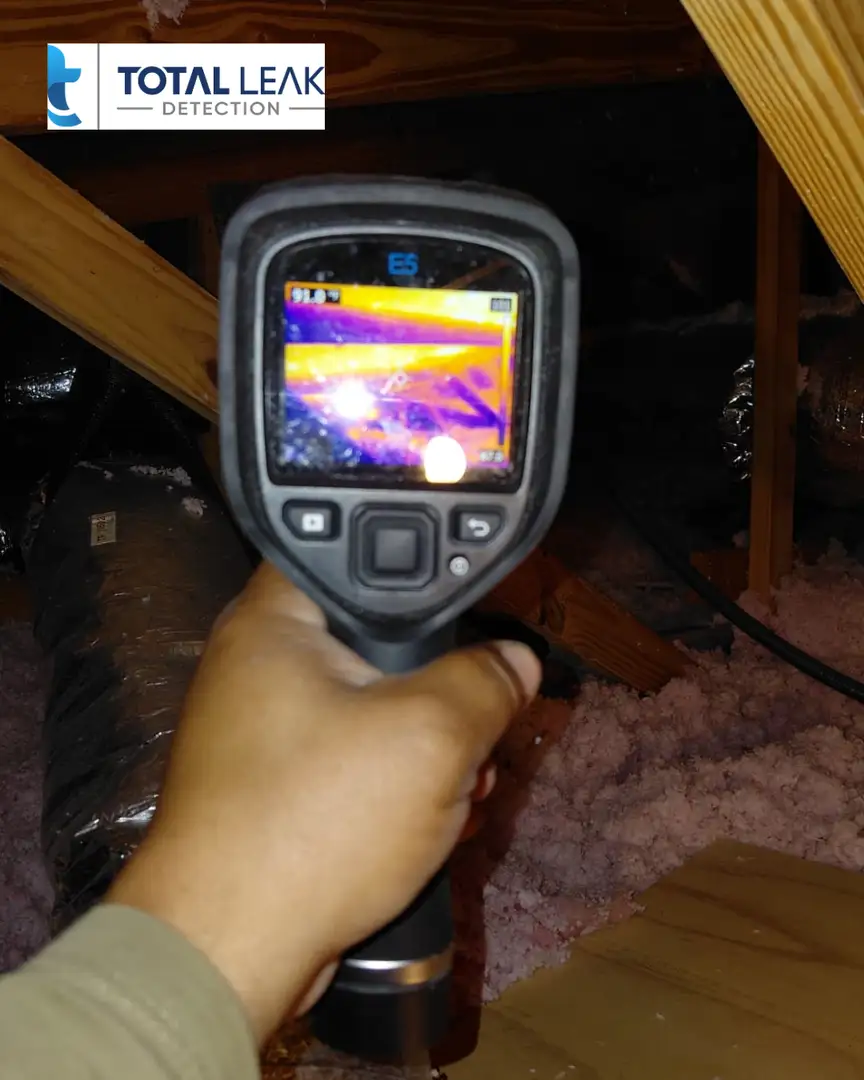
- Thermal imaging cameras to detect temperature differences caused by moisture
- Moisture meters to measure dampness levels in walls and floors
- Video pipe inspection to see inside your plumbing system
These tools allow experts to pinpoint leak locations without tearing into walls or floors unnecessarily.
Step 4: Act Quickly
Every day a leak continues, the damage grows. Water spreads through building materials, mold colonies expand, and repair costs increase. Early detection saves money and prevents health hazards.
When DIY Inspection Isn't Enough
Some leaks are easy to find—a dripping faucet or running toilet. But hidden leaks often require professional intervention:
- Slab leaks are virtually impossible to locate without specialized acoustic equipment
- In-wall leaks may be behind areas with no visible damage
- Multiple leak sources can mask each other, making diagnosis confusing
- Intermittent leaks that only occur under pressure or at certain times
If you've noticed any of the warning signs above but can't pinpoint the source, professional leak detection is your fastest path to answers—and to stopping the damage.
Protect Your Home with Professional Leak Detection
At Total Leak Detection, we specialize in finding hidden leaks throughout Miami-Dade and Broward counties. Our non-invasive detection methods locate leaks accurately without unnecessary damage to your property.
If you've noticed any of these warning signs, don't wait for the problem to get worse. Early detection saves you money, protects your home's structure, and prevents mold from taking hold.
📞 Call Today: (855) 385-5325
🌐 Learn More: totalleakdetection.com
Frequently Asked Questions
How much does hidden leak detection cost?
Professional leak detection typically costs between $150-$500 depending on the complexity. This is far less than the thousands you could spend on water damage repairs if a leak goes undetected.
Can I find a hidden leak myself?
You can identify symptoms and perform basic tests like the water meter check. However, pinpointing the exact location of a hidden leak usually requires professional equipment like thermal cameras and acoustic sensors.
How long can a hidden leak go unnoticed?
Unfortunately, hidden leaks can continue for months or even years before causing visible damage. By the time you see stains or smell mold, significant damage may have already occurred—which is why acting on early warning signs is so important.
Will my homeowner's insurance cover leak damage?
Most policies cover sudden and accidental water damage but may exclude gradual leaks or maintenance issues. Having professional documentation of the leak source strengthens your claim. Check with your insurance provider for specific coverage details.
How quickly should I address a suspected leak?
Immediately. Water damage compounds over time, and mold can begin growing within 24-48 hours of moisture exposure. The sooner you locate and address a leak, the less expensive the repairs will be.
Related Resources
- The Importance of Professional Leak Detection - Why expert detection matters
- How to Check Your Shower Pan for Leaks - DIY shower inspection guide
- Advanced Slab Leak Detection Techniques - Under-foundation leak solutions
- Mold Testing Services - If you suspect mold from water damage