The Complete Guide to Leak Detection for Florida Homeowners
Water leaks are one of the most common—and costly—problems facing Florida homeowners. Whether it's a hidden slab leak beneath your foundation, a slow drip inside your walls, or a pinhole leak in aging copper pipes, undetected water leaks can cause thousands of dollars in damage, promote dangerous mold growth, and dramatically increase your water bills.
This comprehensive guide covers everything you need to know about water leak detection: the warning signs to watch for, the different types of leaks, how professionals find hidden leaks, what it costs, and when you need expert help.
Need professional leak detection now? Contact Total Leak Detection for 24/7 service with 40+ years of experience.
Table of Contents
- What To Do Immediately If You Suspect a Water Leak
- Why Leak Detection Matters in Florida
- Common Signs of Water Leaks
- Types of Water Leaks
- How Professional Leak Detection Works
- How Long Does Professional Leak Detection Take?
- DIY Leak Detection Methods
- Leak Detection Costs in Florida
- The Connection Between Leaks and Mold
- Related Articles
What To Do Immediately If You Suspect a Water Leak
Discovering a water leak can be stressful, but taking the right steps immediately can prevent thousands of dollars in property damage and mold growth.
- Shut Off the Water Supply: If you know where the leak is coming from (like a specific toilet or sink), turn off its isolation valve. If you suspect a hidden leak or slab leak, shut off your home's main water valve immediately.
- Turn Off Electricity in Affected Areas: If water is pooling near electrical outlets, appliances, or light fixtures, turn off the power to that zone at your breaker box to prevent electrocution hazards.
- Document the Damage: Before cleaning up, take clear photos and videos of the standing water, the suspected leak source, and any damaged property. This is crucial for your homeowners insurance claim.
- Remove Valuables and Start Drying: Move furniture, rugs, and valuables out of the wet area. If it is safe to do so, use towels, mops, or a wet/dry vacuum to extract standing water.
- Call a Leak Detection Specialist: Do not tear down walls or rip up flooring looking for the source. Contact a professional who uses non-invasive equipment to pinpoint the exact location of the leak.
Why Leak Detection Matters in Florida
Florida's unique climate and geology create perfect conditions for water leak problems. High humidity, limestone foundations, and aging plumbing infrastructure mean that leaks are not just possible—they're probable for many homeowners.
The True Cost of Undetected Leaks
A small leak may seem insignificant, but the numbers tell a different story:
- Water waste: A leak of just 1 drip per second wastes over 3,000 gallons per year
- Property damage: The average water damage claim exceeds $11,000
- Mold remediation: Mold removal can cost $1,500 to $30,000+ depending on severity
- Foundation damage: Slab leak repairs range from $2,000 to $15,000+
- Increased bills: Hidden leaks can double or triple your monthly water costs
Florida-Specific Leak Concerns
Florida homeowners face unique challenges:
- Slab foundations: Most Florida homes are built on concrete slabs, making under-slab leaks common and difficult to detect
- Copper pipe corrosion: Florida's water chemistry accelerates pinhole leaks in copper pipes
- High water tables: Ground water pressure can mask leak symptoms
- Hurricane damage: Storm events can damage plumbing systems in ways that aren't immediately visible
- Pool and irrigation systems: Additional plumbing creates more potential leak points
Common Signs of Water Leaks

Learning to recognize the early warning signs of water leaks can save you thousands in damage. Here are the most common indicators:
Visual Signs
- Water stains on ceilings, walls, or floors
- Bubbling or peeling paint or wallpaper
- Warped or buckled flooring
- Visible mold or mildew growth
- Wet spots that appear without explanation
- Foundation cracks that seem to be growing
Auditory Signs
- Running water sounds when no fixtures are in use
- Hissing or whooshing sounds in walls
- Dripping sounds you can't locate
Utility Bill Indicators
- Unexplained increases in your water bill
- Continuously running water meter (when all water is off)
- Gradual bill increases over several months
Physical Indicators
- Low water pressure throughout the house or in specific areas
- Hot spots on floors (indicating hot water line leaks)
- Musty or earthy odors (often indicates hidden moisture and mold)
- Lush patches in your lawn (possible underground leak)
For a deeper dive into recognizing leak symptoms, read our article on the importance of professional leak detection in preventing water damage.
Types of Water Leaks
Understanding the different types of water leaks helps you identify potential problems and communicate effectively with professionals.
Slab Leaks

Slab leaks occur in the water lines running beneath your concrete foundation. They're particularly common in Florida due to:
- Soil shifting and settling
- Copper pipe corrosion from water chemistry
- Poor original installation
- Age of the plumbing system
Slab leaks are among the most serious because they can undermine your foundation and are invisible without specialized detection equipment.
Learn more: Advanced Techniques for Detecting and Repairing Leaks Beneath Concrete Foundations
Pinhole Leaks
Pinhole leaks are tiny holes that develop in copper pipes due to corrosion. Florida's water chemistry—particularly in areas with aggressive water—accelerates this problem.
Case study: Miramar Leak Detection: Pinholes in Pembroke Pines
Toilet Leaks
Toilet leaks are extremely common and often go unnoticed. A running toilet can waste 200+ gallons per day. Common causes include:
- Worn flappers
- Faulty fill valves
- Loose connections
- Cracked tanks or bowls
Learn more: How to Identify and Fix Common Toilet Leaks: A Comprehensive Guide
Shower and Bathroom Leaks
Shower pan leaks, tile grout failures, and fixture connection leaks are common sources of water damage in bathrooms.
Learn more: How to Check Shower Pan for Leaks
Water Heater Leaks
Water heaters have a finite lifespan (typically 8-12 years) and can develop leaks from:
- Tank corrosion
- Pressure relief valve failures
- Connection leaks
- Sediment buildup
Pool and Irrigation Leaks
Florida's outdoor living lifestyle means many homes have pools and extensive irrigation systems—both common sources of hidden leaks.
Supply Line vs. Drain Line Leaks
- Supply line leaks: Pressurized water lines that actively push water out when compromised
- Drain line leaks: Only leak when water flows through them, making detection more challenging
How Professional Leak Detection Works

Professional leak detection uses advanced technology to locate leaks without destructive exploration. Here's what modern leak detection involves:
Non-Invasive Detection Technologies
Acoustic Detection Specialized listening devices amplify the sound of water escaping from pipes. Trained technicians can distinguish between different sounds to pinpoint leak locations with remarkable accuracy.
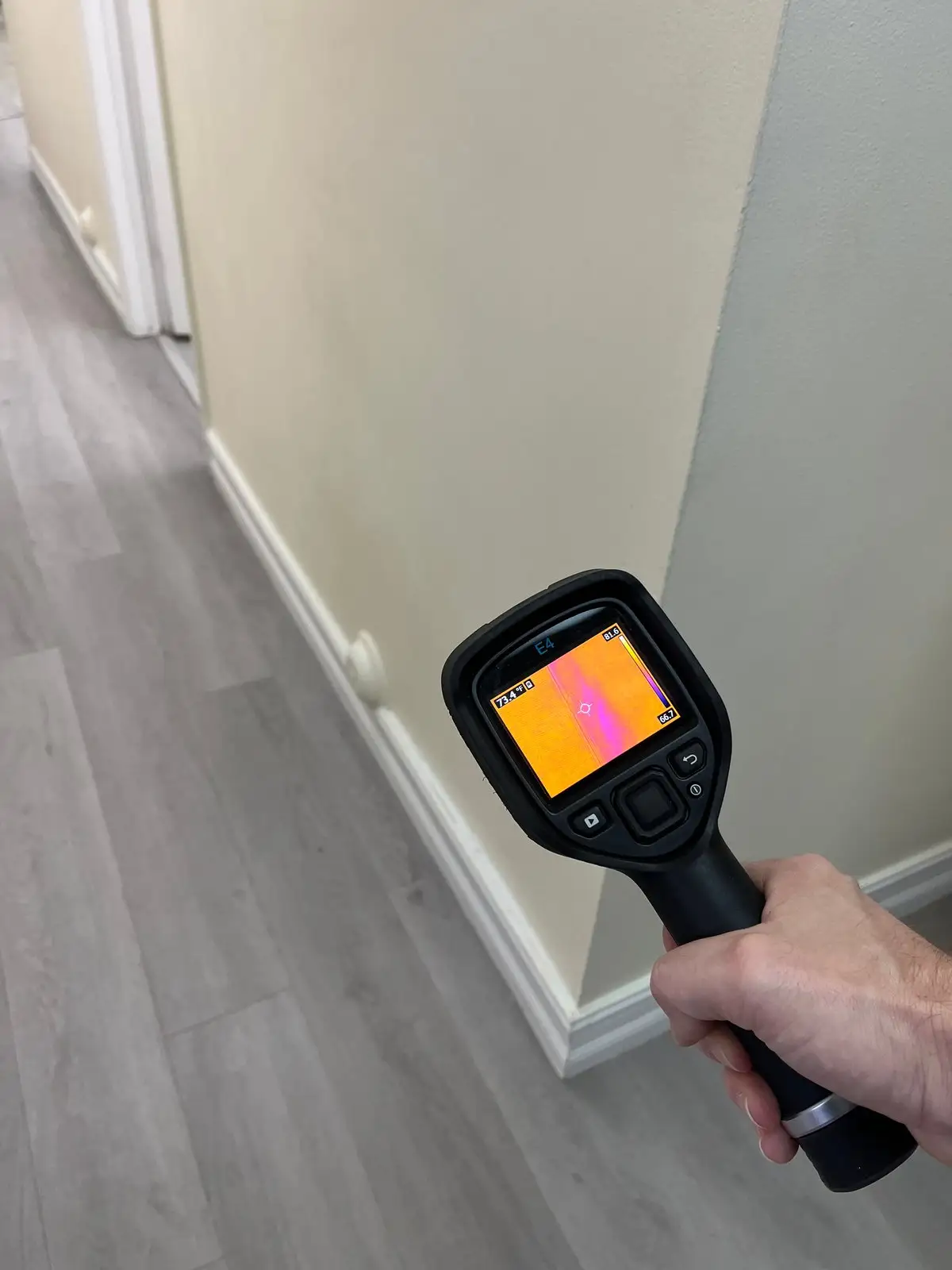
Thermal Imaging Infrared cameras detect temperature variations caused by water presence. Cold water leaks appear as cool spots; hot water line leaks show as warm areas.
Moisture Meters Electronic sensors measure moisture content in building materials, helping identify affected areas even when water isn't visible.
Video Camera Inspection Fiber-optic cameras inserted into pipes provide visual confirmation of leak locations and pipe conditions.
Tracer Gas Detection For difficult-to-find leaks, a harmless tracer gas is introduced into the plumbing system. Sensitive detectors locate where the gas escapes.
The Professional Detection Process
- Initial consultation: Discuss symptoms and history
- Visual inspection: Check for obvious signs
- Pressure testing: Verify the system holds pressure
- Technology deployment: Use appropriate detection methods
- Location confirmation: Pinpoint exact leak location
- Documentation: Provide detailed report for repairs and insurance
Ready for professional detection? Schedule your leak detection service
How Long Does Professional Leak Detection Take?
When you have an active leak, every minute counts. Homeowners frequently ask about the timeline for finding hidden leaks, especially when water damage is involved.
- Standard Residential Leak Detection: In most homes, a professional technician using advanced acoustic and thermal imaging equipment can pinpoint a leak within 1 to 2 hours.
- Complex Slab Leaks: If the leak is buried deep beneath a concrete foundation or involves multiple branching lines, the detection process may take 2 to 4 hours.
- Extensive Commercial Properties: For large estates or commercial buildings with extensive plumbing networks and irrigation systems, full-system testing and detection can take half a day to a full day.
Once the exact source of the leak is identified, your technician will provide a clear timeline for the necessary plumbing repairs.
DIY Leak Detection Methods
While professional detection is recommended for hidden leaks, homeowners can perform several checks:
The Water Meter Test
- Turn off all water-using fixtures and appliances
- Locate your water meter
- Record the meter reading
- Wait 1-2 hours without using any water
- Check the meter again
- If the reading changed, you likely have a leak
The Toilet Dye Test
- Remove the toilet tank lid
- Add food coloring or dye tablets to the tank
- Wait 15-30 minutes without flushing
- Check the bowl—if color appears, your flapper is leaking
Visual Inspections
- Check under sinks for moisture or drips
- Inspect water heater connections
- Look for water stains on ceilings below bathrooms
- Check caulking around tubs and showers
When DIY Isn't Enough
DIY methods can identify obvious leaks but cannot:
- Locate leaks inside walls or under slabs
- Determine the exact source when multiple issues exist
- Assess the full extent of water damage
- Provide documentation for insurance claims
Leak Detection Costs in Florida
Understanding leak detection costs helps you budget appropriately and avoid surprises.
Typical Cost Ranges
- Basic leak detection: $150-$400
- Comprehensive detection with multiple technologies: $300-$600
- Slab leak detection: $250-$500
- Pool leak detection: $200-$450
- Commercial properties: $500-$1,500+
Factors Affecting Cost
- Property size: Larger properties require more time
- Accessibility: Difficult-to-access areas increase costs
- Number of potential leak sources: Multiple issues take longer to investigate
- Equipment needed: Some situations require specialized tools
- Emergency service: After-hours calls may cost more
The Value Perspective
While leak detection has an upfront cost, consider the alternative:
- Without detection: Random exploratory demolition, potential for missing the leak, extended water damage
- With detection: Precise location, minimal demolition for repairs, faster resolution, insurance documentation
Get a free estimate: Contact Total Leak Detection
The Connection Between Leaks and Mold

In Florida's humid climate, water leaks and mold growth go hand in hand. Understanding this connection is crucial for protecting your health and property.
How Quickly Does Mold Grow?
Mold can begin growing within 24-48 hours of water exposure. Florida's high humidity accelerates this process, meaning even small leaks can create significant mold problems quickly.
Health Risks of Mold
- Respiratory issues
- Allergic reactions
- Asthma aggravation
- Headaches and fatigue
- More serious health effects with prolonged exposure
Why Early Leak Detection Prevents Mold
Finding and fixing leaks quickly is the best mold prevention strategy. Once mold establishes itself:
- Remediation costs increase dramatically
- Health risks accumulate
- Property damage spreads
- Insurance complications arise
Related service: Professional Mold Testing
Water Pressure and Leak Detection
Changes in water pressure often indicate plumbing problems, including leaks.
Low Pressure Causes
- Active leaks reducing system pressure
- Pipe corrosion restricting flow
- Partially closed valves
- Municipal supply issues
- Clogged aerators or filters
When Pressure Changes Indicate Leaks
- Sudden pressure drop: May indicate a significant leak
- Gradual pressure decline: Could suggest developing leaks or corrosion
- Pressure variations by location: May point to specific line issues
Learn more:
- Effective Solutions for Low Water Pressure in Your Home
- 10 Effective Ways to Boost Water Pressure in Your Shower
When to Call a Professional
While some leaks are obvious, many situations require professional expertise:
Call Immediately If You Notice
- Water pooling with no obvious source
- Significant water bill increases
- Multiple leak symptoms simultaneously
- Signs of slab leaks (hot floors, foundation cracks)
- Musty odors indicating hidden moisture
Professional Detection Is Essential For
- Slab leaks and under-foundation issues
- Leaks inside walls or ceilings
- Intermittent leaks that come and go
- Insurance documentation requirements
- Pre-purchase home inspections
What to Expect from Professional Service
Total Leak Detection provides:
- 40+ years of experience in Florida
- Non-invasive detection technology
- 24/7 emergency service availability
- Insurance-ready reports and documentation
- Licensed and insured technicians
Schedule Your Leak Detection Service
Related Articles
Explore more resources from our leak detection experts:
Understanding Leaks
- The Importance of Professional Leak Detection in Preventing Water Damage
- Advanced Techniques for Detecting and Repairing Leaks Beneath Concrete Foundations
Specific Leak Types
- How to Check Shower Pan for Leaks
- How to Troubleshoot a Leaky Toilet
- How to Identify and Fix Common Toilet Leaks
- Miramar Leak Detection: Pinholes in Pembroke Pines
Water Pressure Issues
- Effective Solutions for Low Water Pressure in Your Home
- 10 Effective Ways to Boost Water Pressure in Your Shower
Local Resources
Protect Your Florida Home
Water leaks don't fix themselves—they only get worse. Every day a leak goes undetected increases damage, costs, and health risks.
Total Leak Detection has served Florida homeowners for over 40 years with:
- ✅ Advanced non-invasive detection technology
- ✅ 24/7 emergency service availability
- ✅ Insurance-ready documentation
- ✅ 4.6-star rating with 140 reviews
- ✅ Licensed and insured (CFC1430460)
Don't let a hidden leak destroy your property.
Schedule Your Free Leak Detection Consultation
Total Leak Detection – Florida's Trusted Leak Detection Experts Since 1980
Frequently Asked Questions
How much does professional leak detection cost in Florida?
Basic leak detection typically costs between $150 and $400. However, if the leak is beneath a concrete slab or requires comprehensive technology like thermal imaging and acoustic detection, the cost can range from $300 to $600.
How can I tell if I have a hidden water leak?
Common signs of a hidden water leak include unexplained increases in your water bill, hearing running water when all fixtures are off, warm spots on your floor, damp or moldy smells, and bubbling or peeling paint on walls.
Does my homeowners insurance cover leak detection?
Many homeowners insurance policies cover the cost of leak detection if the leak causes sudden and accidental water damage. However, it's essential to review your specific policy, as some may not cover the repair of the plumbing itself, only the resulting damage.
What is a slab leak and why is it dangerous?
A slab leak occurs when the water pipes beneath your home's concrete foundation begin to leak. It's particularly dangerous because it can erode the soil under your foundation, leading to structural damage, foundation cracks, and severe mold growth if left undetected.